10 Security Mistakes Businesses Make When Installing a CCTV System
Every day, Colorado companies face real security risks. Whether you operate an apartment complex in Boulder, a restaurant in Denver, a convenience store in Aurora, or a gas station in Colorado Springs, safeguarding your assets, staff, and clients is crucial.
One of the most effective tools available to a business owner is a professionally installed CCTV system. It prevents crime before it occurs, records occurrences when they occur, and provides you with round-the-clock visibility into every aspect of your business. However, the truth is that the majority of CCTV systems installed in Colorado businesses are underperforming, not because the technology is flawed, but rather because crucial errors were made during installation or planning.
We at Security Surveillance System have examined hundreds of corporate security systems in the Denver area and around Colorado. We repeatedly witness the same basic mistakes costing companies thousands of dollars in avoidable losses and useless video.
The ten most frequent CCTV installation errors are broken down in this blog, along with precise solutions. To provide surveillance systems that truly function when you need them most, we partner with top names in the business, such as Uniview, Digital Watchdog, Exacq, and LTS.
The 10 Biggest CCTV Mistakes Colorado Businesses Make
1. What Causes Blind Spots? Overlooking a Professional Site Survey
Placing cameras based on intuition rather than a methodical site assessment is the most frequent error. Owners of businesses feel they are covered when they install a camera at the front door and a couple in the back. They’re not. Every commercial facility, from an automobile dealership in Lakewood to a liquor store in Denver, has distinct entry points, blind zones, and high-risk regions that call for strategic consideration.
What to do instead: Before any installation, SSS performs a comprehensive site walkthrough. We map your whole property, find weak points, and construct a camera arrangement that prevents blind spots rather than generates them.
2. What Happens When You Buy Cheap Cameras? Poor Resolution Costs You Evidence
Low-cost cameras may seem like a wise economic choice until an incident happens and your video is unable to read a license plate or identify a face. In Colorado courts and insurance claims, cameras smaller than 2MP (1080p) are frequently dismissed as inconclusive. The hardware savings turn into a huge liability.
What to do instead: For typical areas, we install Uniview and Digital Watchdog IP cameras at 4MP; for parking lots, loading docks, and high-risk locations, we deploy 4K or PTZ cameras. These technologies provide video that is clear enough to be used as proof in court.
3. How Can Your CCTV Footage Be Ruined by Poor Lighting?
A washed-out silhouette will be captured by a camera pointed at a sunlight window or a bright Colorado sky. At night, a camera covering a gloomy parking lot won’t capture any usable footage. One of the most neglected factors in surveillance design is lighting, and Colorado’s extreme weather, with bright, sunny days, cloudy winters, and early mountain sunsets, makes this particularly difficult.
What to do instead: Our staff evaluates lighting conditions throughout the year and at various times of day. To match the actual environment your cameras encounter, we designate cameras with wide dynamic range (WDR), infrared (IR) night vision, or integrated low-light sensors.
4. If the DVR is stolen, where does your footage end up? Absence of redundant storage
One major vulnerability is recording to a single on-site DVR or NVR. Every recording is lost if the recorder is stolen or destroyed by a burglar, which occurs more frequently than you may imagine. This also holds for power surges, fire damage, and hard drive failure.
What to do instead: We set up dual-storage systems that combine a secure online backup with a local Exacq or LTS NVR. This guarantees that even in the event that your on-site gear is hacked, your film can be recovered.
5. What Makes an Unsecured Camera Network a Liability Rather Than an Asset?
While IP cameras are connected to your network, they are vulnerable to hacking if they are not adequately secured. Due to owners’ failure to change default passwords or leave ports open, thousands of enterprise camera feeds have been made public. A hacked camera system poses a significant legal and reputational risk to Colorado businesses that handle sensitive consumer data or cash transactions.
What to do instead: SSS Camera sets up automated firmware updates, modifies all default credentials, enables HTTPS-only access, and deploys all surveillance gear on a separate, isolated VLAN. Every installation we finish includes network security.
6. How Does the Height of the Camera Mount Impact the Quality of the Video?
If your cameras are positioned too high, they will provide a bird’s-eye view that is unable to recognize faces. Criminals have been known to spray-paint, hide, or reroute low-mounted cameras in a matter of seconds if they are too low. Accurately determining mounting height and angle is a science, not an educated guess.
What to do instead: Cameras should be positioned 8 to 12 feet high and tilted 15 to 45 degrees downward for facial recognition. We install tamper-resistant, IK10-rated dome camera housings in vandal-prone areas that are frequently seen in crowded Denver commercial corridors.
7. What Are Colorado’s Business CCTV Systems? Legal Requirements?
When using CCTV systems, Colorado businesses must abide by both state and federal privacy rules. According to Colorado Revised Statutes, it is unlawful to record in restrooms, locker rooms, or other locations where workers or patrons have a legitimate expectation of privacy. Additionally, businesses must put up conspicuous signs alerting customers to the use of surveillance. Criminal prosecution and civil liability may follow noncompliance.
What to do instead: SSS Camera assists in creating a written data retention and access policy and counsels each client on placement compliance. For your particular business and use case, we always advise speaking with a Colorado lawyer.
8. When Does Footage Get Overwritten? Misconfigured Storage Duration
The default storage settings on many systems cause footage to be overwritten after 24 to 72 hours. The issue? The majority of occurrences take a while to be detected. The video will be lost if a theft is discovered five days later, an injury claim is made two weeks later, or a disagreement emerges a month later.
What to do instead: We set up each installation to record continuously for at least 30 days. Banks, schools, convenience stores, liquor stores, and other high-risk Colorado companies should save video for 60 to 90 days. We use your camera count, resolution, and frame rate to determine your precise storage needs.
9. Why Do Most CCTV Systems in Colorado Businesses Fail After Two Years? Zero Maintenance
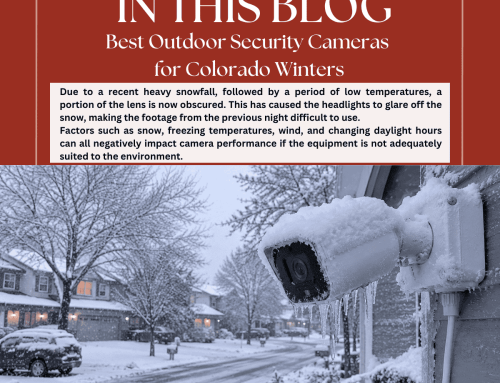
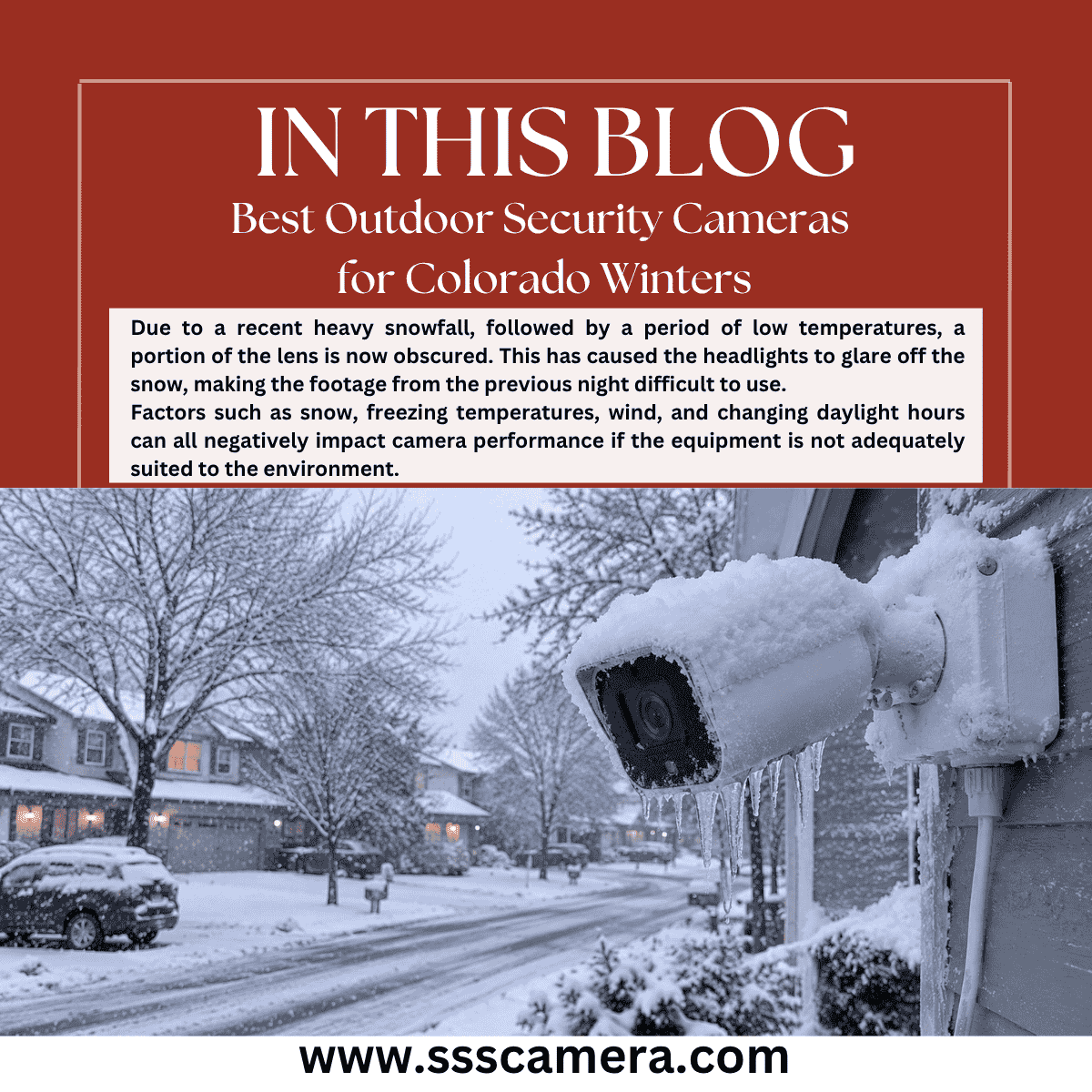
CCTV is not a system that can be installed and then forgotten. Dust and filth build up on lenses (Colorado’s dry, dusty Front Range atmosphere speeds this up). IR LEDs eventually burn out. Heat cycles between Colorado’s scorching summers and bitterly cold winters cause cables to deteriorate. Silently, storage fills up. Within 18 months, systems that were operational on day one can become 40% non-operational, and nobody will notice until it’s too late.
What to do instead: Quarterly lens cleaning, angle verification, recording playback testing, firmware updates, and storage capacity audits are all included in SSS Camera’s ongoing maintenance contracts. When you receive your free estimate, ask us about our service plans.
10. How Do Incompatible Systems Cause Long-Term Issues for Expanding Businesses?
Purchasing cameras from one brand, a recorder from another, and a VMS from a third vendor in the hopes that everything will function together is a surefire way to get frustrated and lose money. Vendor finger-pointing, integration problems, and the need to replace gear entirely when expanding or upgrading are all caused by incompatible systems.
What to do instead: Every system is built on a single, scalable platform. Our top brands, Uniview, Digital Watchdog, Exacq, and LTS, have been picked especially for their scalability, compatibility, and support infrastructure.
FAQs—CCTV Installation for Colorado Businesses
About Security Surveillance System
Security Surveillance System is a locally owned, licensed security camera company based in Denver, CO. Since 2006, we have installed hundreds of commercial and residential security systems across Colorado, including video surveillance, access control, intercom, and burglar alarm systems, backed by a one-year warranty on all parts and labor for full installations.