Monitored vs. Unmonitored Alarms for Denver Businesses Better Protection
Business owners in Denver continue to be concerned about commercial break-ins, and having an alarm system installed on a site may be the difference between a prompt resolution and an expensive loss. Because different businesses require different levels of security or monthly investments, selecting the best alarm monitoring provider isn’t always simple. In order to help Denver company owners decide which choice best suits their risk tolerance, operating hours, and budget, this article explains the two main methods for commercial Burglar alarms: monitored and unmonitored systems.
What Is a Commercial Burglar Alarm System?
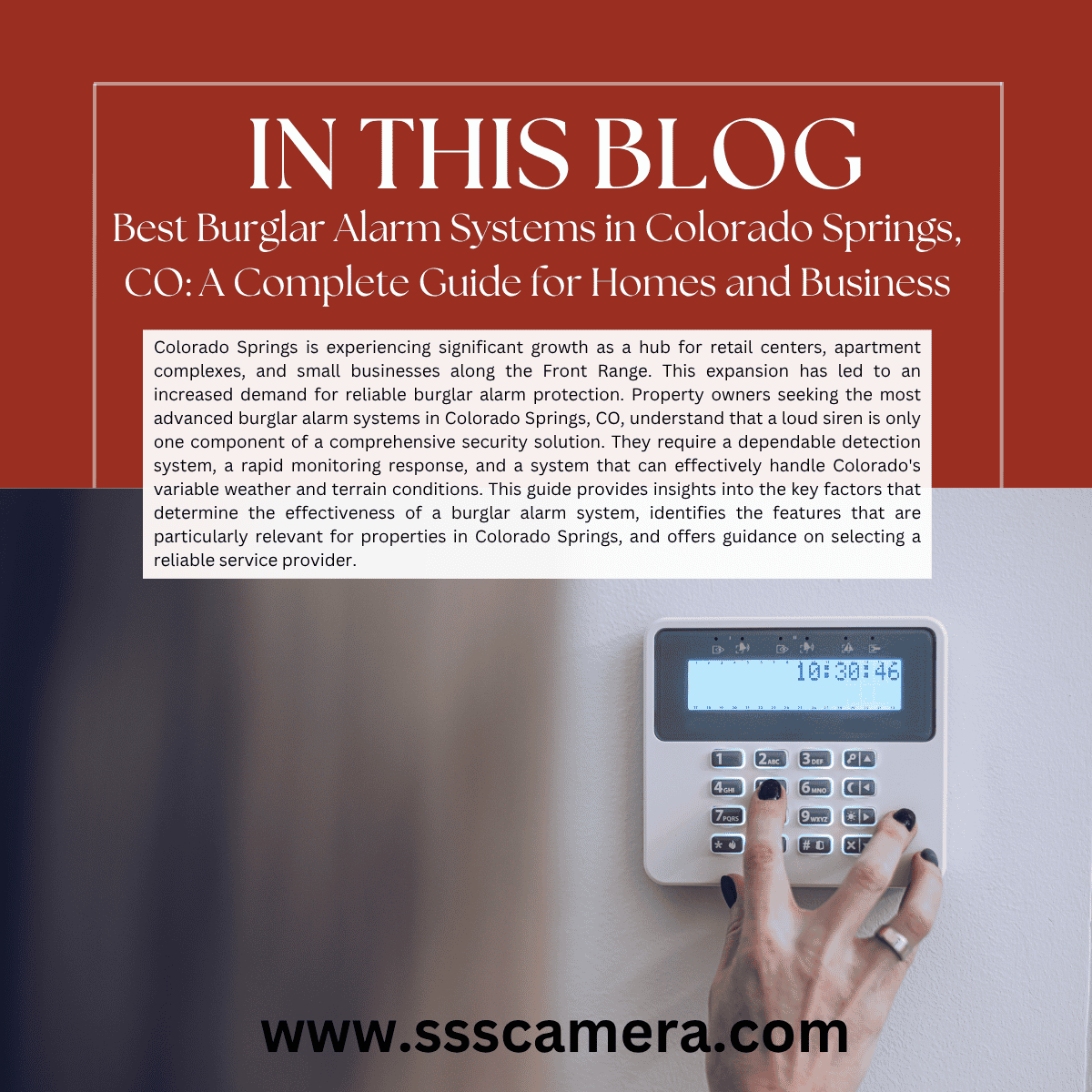
The purpose of a business Burglar alarm system is to identify illegal entry and notify the relevant people in the event of a break-in. When motion or forced entry is detected by sensors mounted on doors, windows, and interior areas, an emergency dispatch or a local siren may be triggered. These systems are a vital line of defense for Denver companies against theft, vandalism, and property damage, especially for buildings that are left empty overnight or on weekends.
What Is a Monitored Alarm System?
How Professional Monitoring Works
Monitored alarm systems are immediately connected to a 24-hour professional monitoring center. When a sensor is activated, the monitoring center gets the alert, tries to confirm that the alarm is real, and then, if the circumstance calls for a dispatch, calls emergency services. This screening process ensures that actual threats are promptly addressed while lowering false alerts.
Advantages of Professional Monitoring
Constant security around-the-clock, even when the company is closed or the owner cannot be reached Quicker emergency response since the monitoring center calls the police directly instead of depending on the company owner to notice and take action. Business owners may rest easy knowing they don’t have to keep an eye on warnings all the time.
Potential Limitations
After the first installation, monthly monitoring fees are an additional expense. A service agreement or contract term is required by many providers. In order to contact the monitoring center, monitoring requires a functional communication mechanism, such as a phone line, cellphone connection, or internet access.
What Is an Unmonitored Alarm System?
How It Operates
Unmonitored systems do not have a professional monitoring center; instead, they rely on cellphone notifications and local sirens. When the alarm is set off, it sounds on the property and could transmit an alert straight to the owner’s phone. However, no third party can automatically validate the warning or notify emergency services.
Benefits
Lower monthly expenses because there isn’t a subscription for monitoring More authority over the company owner’s response time and manner Easy to use and doesn’t necessitate working with an outside monitoring company.
Restrictions
A delayed reaction since the owner must act before calling emergency assistance. If the owner is traveling, sleeping, or otherwise absent, alerts may go unnoticed. The business owner’s capacity to react promptly is the only factor that determines how effective the system is.
Direct Comparison Between Monitored and Unmonitored Systems
Emergency Response Time
Emergency services are called as soon as an alert is confirmed since monitored systems rely on expert dispatch. Unmonitored systems rely on the business owner seeing an alert and making their own support call, which can cause serious delays, particularly after hours.
Cost Comparison
The two systems may have comparable initial installation costs, but monitored alarms have recurring monthly fees that unmonitored systems do not. In the long run, companies must balance the benefits of quicker emergency response against the additional monthly expense of monitoring.
Reliability During Emergencies
Regardless of whether the owner is sleeping, on vacation, or preoccupied, monitored systems offer reliable safety. Unmonitored systems put all of the responsibility for responding on the owner or workers, which creates a serious risk when issues occur after hours or when staff members aren’t readily available.
Business Risk Management
Since a break-in is dealt with more quickly, monitored alarms often provide better theft prevention and lower the danger of prolonged property damage. Because some insurers see monitored systems as a lower-risk investment for the company, this may also have an impact on insurance decisions.
Which Industries Benefit Most from Monitored Alarm Systems?
Retail establishments keeping expensive inventory overnight Large, difficult-to-monitor warehouses Medical facilities that keep drugs or delicate equipment Financial organizations that deal with money and private documents Restaurants that close early and leave their premises unattended at night Situations Where Unmonitored Alarms May Be Suitable Compact workplaces with little precious stock on hand Storage spaces for replacement or lower-risk goods Properties in low-risk locations with little history of break-ins Secondary business sites that employees often inspect
Smart Features That Improve Modern Alarm Systems
Mobile Notifications
A company owner’s phone can get immediate notifications from modern alarm systems, whether they are monitored or not. Additionally, a lot of systems provide remote arming and disarming, providing owners options without requiring them to be on the property.
Video Verification
When an alarm system is paired with security cameras, it is possible to verify an alert through video, which helps determine if a triggered alarm is a real break-in or a false alarm. This can expedite emergency dispatch choices in monitored systems as well as owner reaction.
Smart Automation
The system is automatically activated at closure time by scheduled arming. Permissions for users to arm, disarm, or receive notifications Activity reporting that records occurrences of entry and exit for analysis
How Security Surveillance System Designs Commercial Alarm Solutions
Every Security Surveillance System project starts with a comprehensive security evaluation of the property to identify its unique risk factors and working hours. After that, SSS creates a unique alarm system for the company, whether it’s an unmonitored configuration, a fully monitored system, or a mix that suits the owner’s risk tolerance and budget. Professional installation guarantees that the system is set up effectively from the start, and SSS offers continuous maintenance and system updates so the alarm keeps working dependably as the company expands or its security requirements alter.
Frequently Asked Questions
Does the monthly cost of monitored alarm monitoring make sense?
The additional expense of monitoring is typically justified by the quicker emergency response and lower danger of long-term property damage for the majority of firms that have expensive inventory or operate unattended hours.
Can I subsequently change an unmonitored alarm system to a monitored one?
Yes, in a lot of situations. An unmonitored system may frequently be modified to link to a professional monitoring center without necessitating a complete system replacement, depending on the current technology.
When there is a power outage, do monitored alarm systems function?
Although it’s crucial to establish backup length with your supplier, the majority of monitored systems have battery backup to keep the alarm and communication mechanism operational during a power loss.
When an alarm goes off, how soon are emergency services called?
Although the timing may vary depending on the verification procedure and local emergency response capability, dispatch to emergency services usually occurs within milliseconds after a monitoring center validates an alert.
Can access control and security cameras be integrated with monitored alarms?
Indeed, video surveillance and access control may be combined with monitored alarm systems to provide a more comprehensive security view of the entire site and to verify alarms through video.
Which businesses benefit most from professional alarm monitoring?
Retail establishments, warehouses, medical facilities, financial institutions, Restaurants, and other businesses with expensive goods, unattended overnight hours, or increased foot traffic typically stand to gain the most from monitored protection.
Will a monitored alarm help reduce commercial insurance costs?
Since monitored alarm systems are seen as a lower-risk investment, several insurers give cheaper premiums for firms having them; however, the exact savings vary depending on the insurance provider and policy.
How can I pick the best burglar alarm system for my company?
A professional security evaluation is the best place to start because the ideal solution depends on things like business size, operational hours, inventory value, and overall risk level.
Conclusion
While both monitored and unmonitored alarm systems have their uses, they provide rather different degrees of security. While unmonitored systems offer a simpler, less expensive setup that lays response duty solely on the company owner, monitored systems give continuous coverage and speedier emergency response at the expense of a monthly monitoring subscription. In the end, the best option is determined by the size of the company, its operating hours, the degree of danger, and its overall security objectives.
Call-to-Action
Business owners in Denver are invited by Security Surveillance System to arrange a commercial security evaluation to choose the best burglar alarm system for their businesses. establishment. For a personalized price and to discuss monitored, unmonitored, or hybrid alarm alternatives tailored to your company, get in touch with SSS right now.