Security Cameras for Warehouses and Distribution Centers: What Should Businesses Install?
Video surveillance is essential for large, busy, and low-light warehouses and distribution centers. The best approach involves a combination of fixed cameras at entrances and loading docks, PTZ (pan-tilt-zoom) or wide-angle cameras in open areas, and weather-resistant low-light cameras for exterior locations, all connected to an efficient recording system.
These facilities are particularly vulnerable to inventory theft, unauthorized access, loading dock activities, vehicle movements, and operational incidents. An effective camera system enhances visibility throughout the site and supports investigations in the event of any issues. This is crucial not only for logistics buildings but also for industrial and commercial properties in Denver, Aurora, Commerce City, Colorado Springs, and other areas across Colorado.
In addition to the physical layout of the facility, factors such as employee flow, high-traffic areas, and peak operational times should also inform the surveillance strategy. Regular maintenance and updates to the camera system will ensure optimal performance and resolve any potential blind spots. Integrating advanced technologies, such as motion detection and facial recognition, can further improve security and response times. Employee training on security protocols and the importance of reporting suspicious activities can also enhance overall safety. By establishing a comprehensive surveillance system, facilities can not only deter crime but also create a safer work environment for employees and visitors alike.
What’s the Need for Security Cameras in Warehouses and Distribution Centers?
Ensure the Safekeeping of Inventory, Equipment, and Valuable Assets
Cameras are used to monitor the movement of people around items in storage, equipment areas, and high-value areas. If it is thought that theft, missing shipment, or damage to property occurred, recorded video provides managers with something tangible to look at.
Track Access of Employees, Visitors, and Contractors
Surveillance enables a business to monitor activity at entrances, areas where employees work, and restricted areas. It is best combined with access control to indicate who was around at the time a door was opened.
Increase Visibility Around Loading Docks and Shipping Areas
Deliveries, shipments, vehicles, and constant motion are all part of loading docks. Footage can be useful to show what happened in an incident or to resolve an operational dispute.
Participate in Workplace Safety and Incident Reviews
To review vehicle movements, forklift operations, and reported workplace incidents, cameras can be used. While video can be used to support safety reviews, it is not a substitute for training and supervision, or workplace safety procedures.
Where to Place Security Cameras in a Warehouse?
Main Entrances and Employee Access Points
These areas will be secured with a lock and key. Locks and keys will be used at main entrances and employee access points.
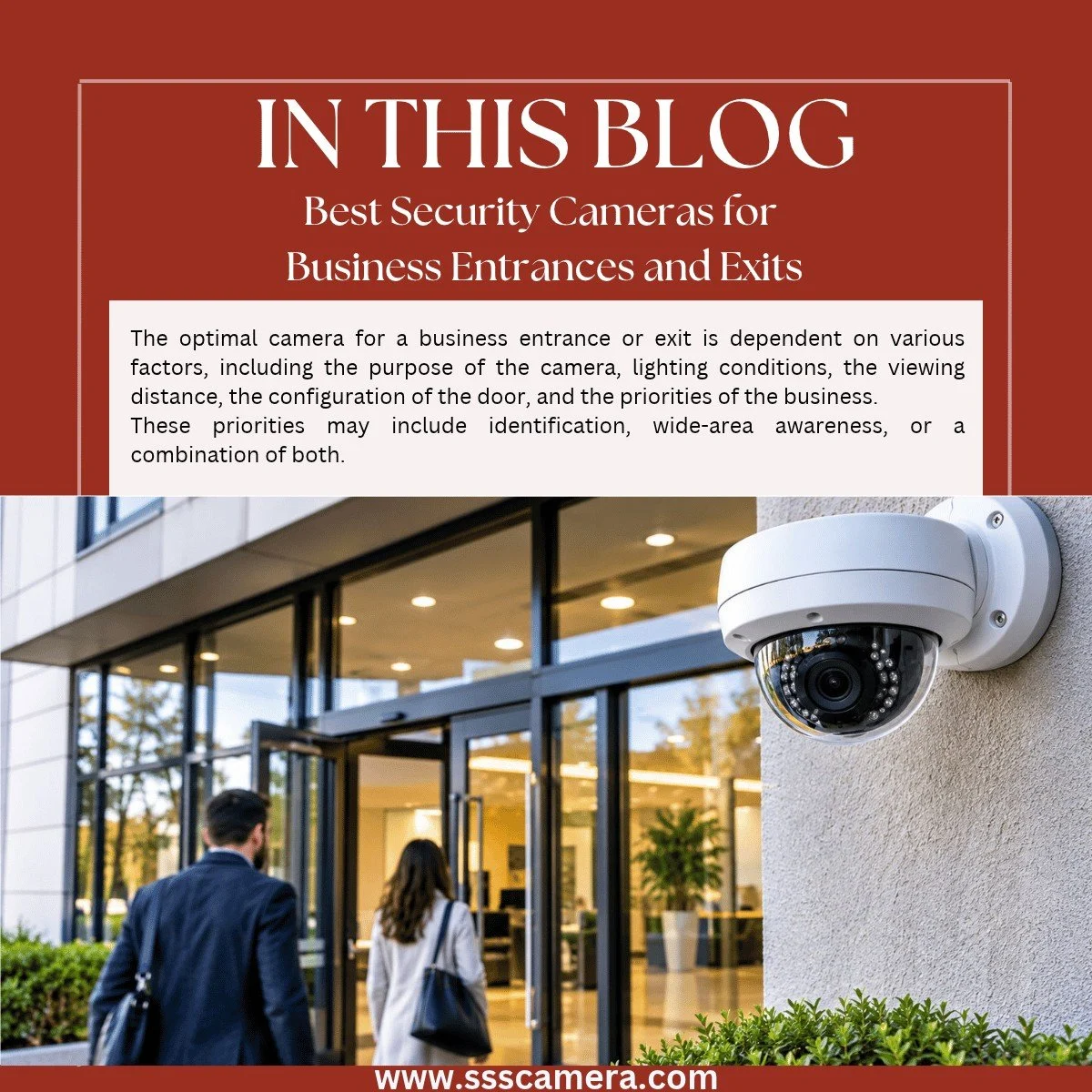
Cover employee entrances and restricted access doors, reception areas, and visitor entrances. Here, cameras are used to record when someone enters and leaves the building.
Loading Docks and Shipping Areas
Cover dock doors, staging areas, and delivery areas, as well as vehicle approaches. Select angles and lighting that will allow reviewers to see what is occurring, as a wide shot that does not show detail is not very helpful.
Inventory Storage and High-Value Goods
Position video surveillance strategically throughout high-value merchandise, limited storage spaces, and vulnerable shelving areas. Placement should eliminate blind spots, but not capture areas that are private to the employees.
Warehouse Perimeters and Parking Lots
Cover outside gates, doors, fences, vehicle entry, and employee parking. Weather protection, appropriate mounting, and night visibility are required on outdoor cameras.
Interior Aisles and Large Open Spaces
The placement of the cameras depends on the height of the warehouse, shelving and inventory layout changes. In places where tall racking creates a problem, wide-angle and/or specialized cameras can be used.
Which Types of Security Cameras Are the Best for Warehouses?
High-Resolution Fixed Cameras
Fixed cameras are installed in designated areas like entrances, dispatch stations, and loading docks. Select resolution depending on the distance of view and the type of detail you would like to capture.
PTZ Cameras for Large Areas
The “PTZ” refers to pan, tilt, and zoom. These cameras can be used in large yards, open spaces, and specific exterior locations. These are not intended to be the sole means of covering a critical area—if an incident occurs, a PTZ camera may be able to be angled in another direction.
Wide-Angle and Multi-Sensor Cameras
These cameras capture a wide area or multiple angles from one installation. These can fit in the open interior of a warehouse and into spacious common areas.
Cameras for Outdoor and Low-Light Situations
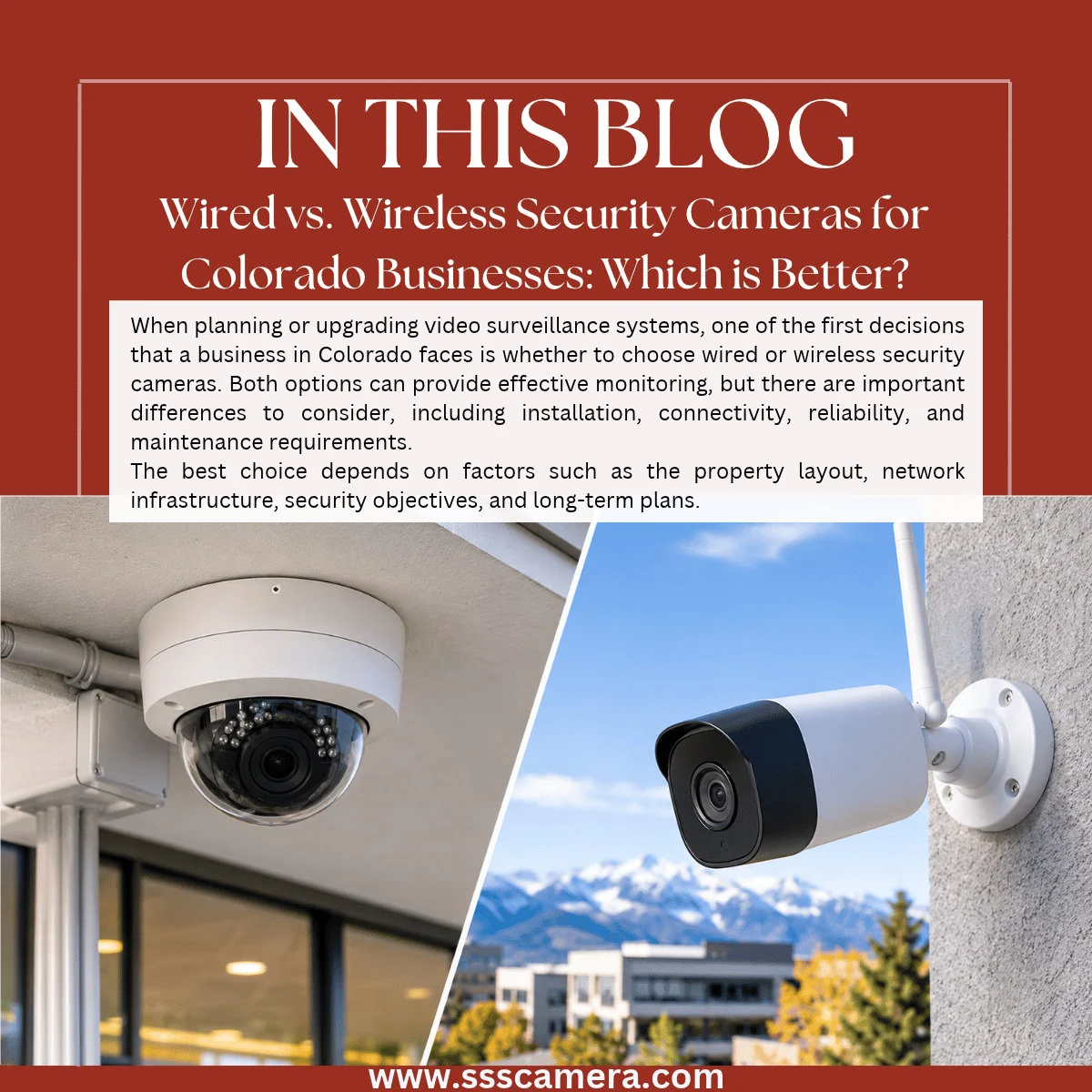
Check for weather-resistant housing and infrared or other low-light options! Colorado businesses should also be mindful of the requirements for snow, wind, temperature, and seasonal daylight when selecting exterior surveillance.
What Should Companies Look for in a Warehouse Camera System?
- Night Vision and Low-Light Performance: Many warehouse accidents happen outside of regular business hours or in poorly lit loading areas. It’s important to evaluate the actual image quality beyond just the product specifications.
- Video Analytics and Motion Detection: Features such as motion detection, line crossing, and intrusion alerts can help prioritize events. The placement and configuration of cameras are crucial, so the analytics should be tailored to the specific site.
- Reliable Recording and Storage: Assess the network video recorders (NVRs), video management software, storage capacity, and footage retention policies. The required storage will depend on the number of cameras, resolution, recording schedules, and storage objectives.
- Remote Viewing and Centralized Management: Authorized managers should be able to view footage from various areas or locations. Ensure that user permissions, secure remote access, and network protection are all in place.
Do Warehouses Need to Combine Access Control, Security Cameras, and Alarms?
Integrate Cameras with Access Control
Managers receive context on the activity in video and access when combined. This is particularly beneficial in restricted storage rooms, offices, and employee areas.
Connect Burglar Alarms to Cameras
An alarm event is an alert that will indicate to the reviewers where the footage is located. This aids in verifying events and intrusion detection after hours.
Create a More Connected Security Environment
A planned system to coordinate the cameras, access control, and alarms provides a better view of what’s going on in the facility. Compatibility is not guaranteed for all products with all other platforms, so the design should take this into account.
What Is the Cost of a Warehouse Security Camera System?
Various elements influence the installation costs:
- The number of cameras and coverage required
- Construction size and ceiling height, and mounting difficulty
- The quality of resolution and special functions of the camera
- Cables, network infrastructure, and recording devices
- Excessive storage, software, and future expansion
Plan for Current Needs and Future Growth
Warehouses change. Camera requirements vary from one expansion to another, new storage spaces, and changing layouts. If an upgrade is not a possibility, a staged installation can help distribute investment. The objective is a design based on the priorities and budget of the business.
What Are the Factors for Colorado Warehouses to Consider When Hiring an Appropriate Security Camera Installer?
Before choosing any equipment, conduct a site assessment. A well-designed assessment covers entrances, loading docks, inventory spaces, parking, exterior boundaries, and blind spots. That’s important throughout the logistics and industrial corridors in Colorado, including Denver, Commerce City, Aurora, and other important transportation corridors like I-25 and I-70.
Security Surveillance System (SSS) offers commercial video surveillance solutions with these brands:
- Uniview
- Digital Watchdog (DW)
- Exacq
- LTS
- Hanwha Vision
Equipment selection will depend on site requirements, compatibility, and desired capabilities of the system. The on-site review and SSS provide a budget-sensitive design.
Frequently Asked Questions
About Security Surveillance System
Security Surveillance System is a locally owned, licensed security camera company based in Denver, CO. Since 2006, we have installed hundreds of commercial and residential security systems across Colorado, including video surveillance, access control, intercom, and burglar alarm systems, backed by a one-year warranty on all parts and labor for full installations.