Why Cloud-Based Intercom Systems Are Replacing Traditional Door Phones
And its consequences for Modern Security Surveillance
Traditional door phones were the preferred method for simple visitor communication for many years. One thing they did was permit someone at the building’s door to make a call to someone inside. However, contemporary structures, businesses, and residential neighborhoods no longer run on “basic.” Technology has advanced far beyond a basic button-and-buzzer configuration, security concerns have altered, and user expectations have shifted.
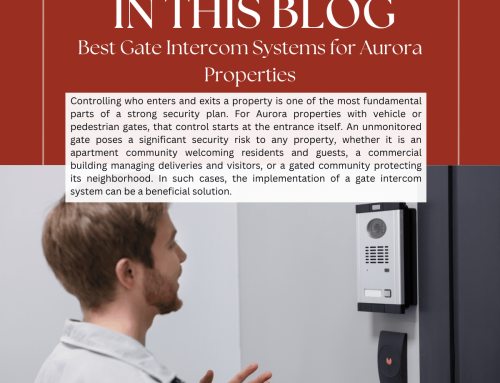
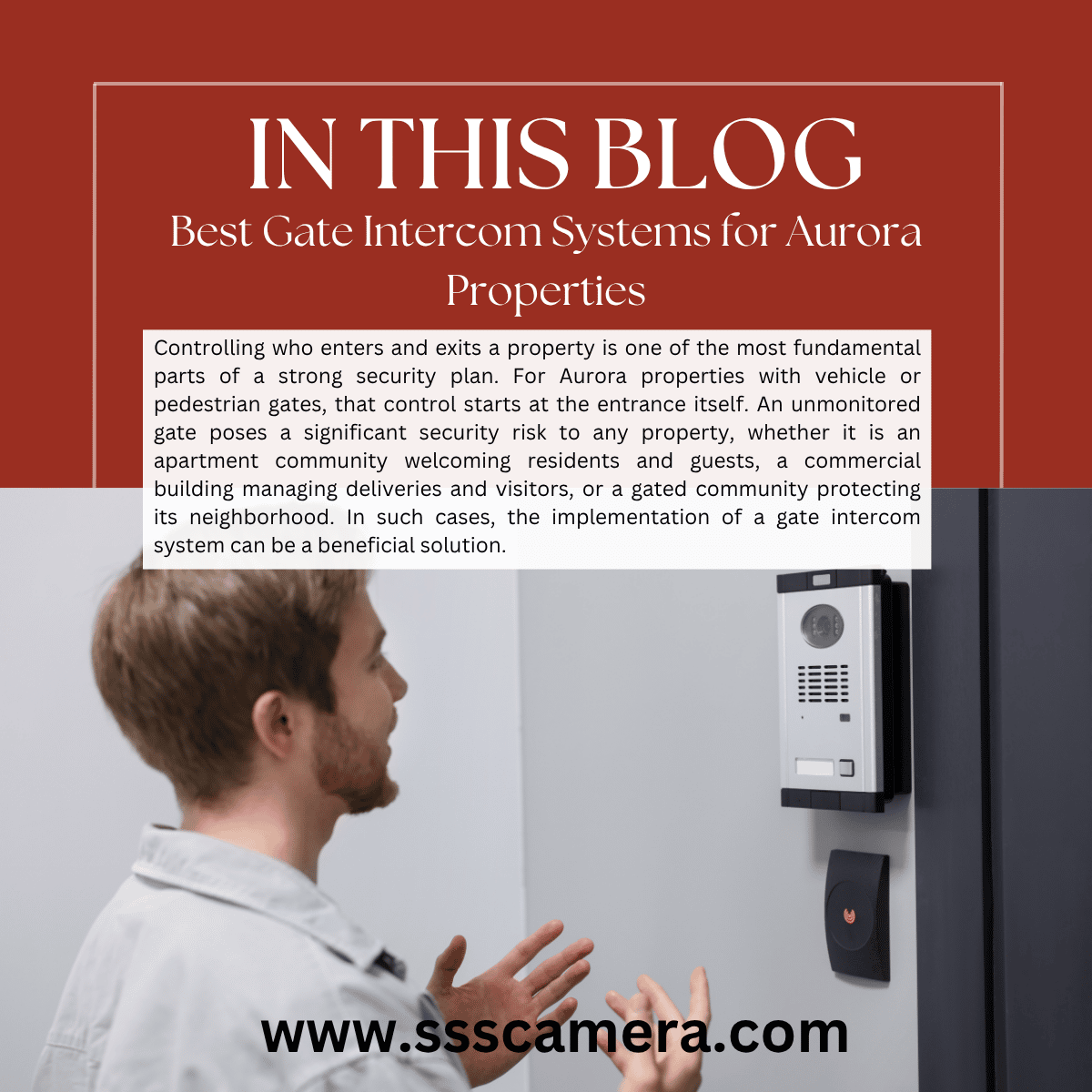
These outdated devices are being quickly replaced by cloud-based intercom systems, which are changing how building management platforms, access control systems, and security surveillance cameras interact. The intercom is now more than simply a means of communication. It is now an intelligent, cloud-based, video-capable security endpoint that connects to mobile devices, cameras, analytics, and credentials.
What Changed with the Rise of Cloud-Based Intercoms?
Conventional door phones had limited functionality, local-only connectivity, and analog circuitry. They don’t provide flexible access control or remote visibility, are prone to failures, and need on-site maintenance. These older technologies began to reveal their age as buildings got more intelligent and interconnected.
Outdated hardware is replaced with cloud-based intercoms, sometimes known as IP video intercoms, with:
- Access to the internet
- Live video
- Access to mobile apps
- Cloud storage
- Management from a distance
- Astute integrations
- Automatic firmware updates
Alongside IP cameras, door access systems, visitor control software, alarms, WiFi networks, and cloud video management systems, they act as part of a building’s larger ecosystem rather than as standalone devices.
With older equipment, this degree of integration was not feasible. Additionally, the shift to cloud-based solutions is becoming unavoidable as more automation and visibility are required for both residential and commercial premises.
Market Trends Driving the Shift
The replacement of outdated door phones is being accelerated by several industrial trends:
1. The Smart Building Boom
Smart building technologies: Systems that monitor, automate, and optimize building functions are being used by property developers and facility managers throughout the globe. Because cloud intercoms offer digital credentials, automated guest flows, and remote control, they perfectly integrate into this ecosystem.
2. Mobile-First User Expectations
Residents anticipate using their phones to respond to guests. Even when employees are off-site, commercial tenants want them to handle deliveries. Remote visibility is what property managers desire. These evolving expectations are supported by cloud intercoms through:
- Mobile applications
- Two-way video and audio
- Push alerts
- Visitor records and access logs
Conventional door phones are just unable to keep up.
3. A greater focus on liability and security
All sectors now have stricter security regulations. Structures require:
- Video recordings
- Unambiguous audit trails
- Verification of identity
- Combined surveillance
Improved responsiveness to incidents
These needs are met by cloud intercoms in conjunction with contemporary IP security cameras, which offer time-stamped video logs, cloud recording, and remote review.
4. Off-Site Management and Remote Work
Security operators, IT departments, and property managers no longer operate exclusively on-site. Cloud-based systems enable:
- Administration from a distance
- Managing users from any location
- Quick lock/unlock
- Troubleshooting remotely
- Monitoring via remote camera and intercom
This capability has become essential for modern operations.
5. Reduced Maintenance and Cost Effectiveness
Cloud intercoms have fewer moving parts and no on-premises servers, which lowers:
- The cost of installation
- The expense of wiring
- Hardware malfunctions
- Service calls made on-site
- Downtime
- Costs of upgrades
Physical repairs and part replacements are necessary for traditional systems. Only software upgrades and sporadic hardware inspections are necessary for cloud systems.
Why Security Surveillance Cameras and Cloud Intercoms Work Better Together
Cloud intercoms and security cameras are now a single, integrated solution. Together, they provide enhanced visibility, more robust verification, and a comprehensive access control experience.
1. Video Verification in Real Time
You can see directly who is asking for access thanks to a cloud-based intercom with built-in video. However, adding more IP cameras to that intercom provides complete context:
- Is there a tailgater?
- Do they have anything in their hands?
- Are they attempting to conceal who they are?
- Is there somebody hanging around the door?
This degree of situational awareness is not possible with traditional door phones.
2. Cloud VMS Integration
Cloud video management systems (VMS) may be synchronized with contemporary intercoms. This permits:
- The smooth synchronization of camera video and intercom events
- Quick clip retrieval
- Timelines that can be searched
- Centralized oversight
These days, forensic investigations may be completed in minutes instead of hours.
3. AI and Analytics
Features of contemporary security cameras include:
- When allowed by law, facial recognition
- The detection of loitering
- Classification of people and vehicles
- Recognition of license plates
- Heat maps of motion
- Alerts for behavior patterns
These analytics can inform security professionals, lock doors, and notify the intercom system when they are activated.
4. Remote Access & Centralized Monitoring
From a single dashboard, security teams may see camera feeds, intercom calls, and logs.
This is particularly beneficial for:
- Multi-building campuses
- Gated communities
- Retail chains
- Storage facilities
- Academic institutions
- Business establishments
Everything that was previously dispersed across several devices is centralized via cloud systems.
Features of Cloud-Based Intercom Systems
1. Strengthened Security
Support for cloud systems:
- Communication that is encrypted
- Centralized logs of events
- Snapshots from visitor videos
- Threat alarms driven by AI
- Emergency reaction from a distance
This improves a building’s overall security posture.
2. Improved User Experience
Old buzzers are no longer necessary for visitors. Both residents and employees like:
- HD video
- Clear audio
- Touchless access
- Mobile access, PINs, or QR codes
- Real-time alerts
When compared to antiquated door phones, customer satisfaction rises dramatically.
3. Scalable Architecture
Rewiring is not necessary when adding more doors, units, or cameras, just more network-connected devices. Cloud systems may expand along with your structure.
4. Reduced Maintenance Costs
Conventional systems require:
- Repairs for wiring
- Replacements for hardware
- Reprogramming the system
- Manual troubleshooting
With little downtime, cloud systems may be upgraded remotely.
5. Round-the-clock Remote Administration
Administrators can:
- Add or delete users
- Modify the rules of access.
- Examine the video.
- Manage doors
- Keep an eye on activities
All without really visiting the location.
6. Smart Access Control Integration
Cloud intercoms easily interface with:
- Systems for keyless entrance
- Intelligent locks
- Controls for elevators
- IoT-based construction tools
- Alarm systems
Instead of discrete devices, this produces a cohesive security environment.
Use Cases Across Industries
- Residential Multifamily: Locals anticipate intelligent access. Delivery, visitors, service visits, and remote approvals are all supported by cloud intercoms. Entry logs are fully visible to property management.
- Business Offices: Cloud intercoms are used in corporate buildings to monitor lobbies and entrances, provide temporary access credentials, and secure guest admittance.
- Educational Institutions and Schools: To enforce restricted access and keep an eye on who enters the campus, schools combine cloud intercoms with security cameras.
- Medical Facilities: Cloud intercoms are used by hospitals and clinics to control access at critical times and link video to visitor records for security audits.
- Industrial Sites & Warehouses: For truck drivers, contractors, and employees working after hours, cloud intercom systems offer regulated entrance points.
- Private & Retail Properties: Integrated camera and intercom systems give retailers a single view of shop entries, deliveries, and emergency alerts.
Difficulties and Considerations Before Making Changes
While cloud systems offer numerous advantages, thorough preparation is essential.
Network Infrastructure
Ensure that you have sufficient bandwidth and a reliable internet connection for:
- HD video streaming
- Cloud uploads
- Multiple access points
- Remote monitoring
Utilizing VLAN segmentation, structured cabling, and PoE (Power over Ethernet) switches can significantly enhance both performance and security.
Safety and Security
Building owners should familiarize themselves with local laws regarding data retention, audio recording, and video recording. To ensure compliance, modern systems often include customizable retention policies.
Subscription Fees
Cloud systems typically involve monthly or yearly subscription fees. It’s important to compare these costs with potential long-term savings resulting from reduced hardware failures and maintenance expenses.
Vendor Ecosystem
Choose manufacturers that offer support for:
- Open standards
- API integration
- Long-term firmware updates
- Reliable hardware warranties
- Strong cybersecurity measures
Keep in mind that vendors of cloud intercoms can vary significantly from one another.
Frequently Asked Questions (FAQ)
Are cloud-based intercom systems safe?
Yes, provided that it is installed and configured correctly. They make use of regular software upgrades, secure authentication, and encryption. Make sure the provider is certified in cybersecurity.
Can current security cameras be integrated with cloud intercoms?
Many can. The majority of cloud intercoms are compatible with cloud VMS systems, IP cameras, and NVRs. Encoders or upgrades are necessary for analog systems.
What happens in the event of an internet outage?
A lot of modern technology have offline capabilities or fallback modes. Cellular backup is supported by some.
How much does cloud storage cost?
Plans differ depending on the seller. However, the expense of on-premises servers is eliminated by cloud storage, which frequently leads to total savings.
Is specific wiring needed for cloud intercoms?
Compared to previous systems, the majority require far less cabling and operate on Ethernet (PoE).
Can I use my phone to access the system?
Yes. One of the main advantages is mobile access, which allows you to take calls, see live video, open doors, and read records from a distance.
Can small firms use cloud systems?
Of course. Easy administration, little upkeep, and remote entrance monitoring are advantages for small organizations.
Concluding Remarks:
Cloud-based intercom systems are becoming essential rather than optional. As buildings become smarter and security threats evolve, the industry is shifting toward linked, integrated, and remotely controllable solutions. When paired with modern security cameras, cloud intercoms create a strong and cohesive security ecosystem that enhances safety, user experience, and operational effectiveness.
Transitioning from traditional door phones to cloud-based intercoms has become the standard for achieving contemporary security excellence. This transition is crucial for companies, property managers, and homeowners looking to future-proof their security systems.