How Video Surveillance Systems Help Businesses Reduce Liability and Insurance Costs
In the modern business world, security now includes risk management, liability minimization, and financial efficiency in addition to protection. Businesses are being forced to reconsider how they safeguard their assets due to rising insurance costs, an increase in liability claims, and more stringent underwriting regulations.
Particularly in competitive areas like Denver, Aurora, Boulder, Colorado Springs, and throughout Colorado, a contemporary security surveillance system is today one of the most effective instruments used by businesses to minimize insurance costs and liability concerns.
What Is a Video Surveillance System and Why Does It Matter for Liability?
A network of cameras, recorders, and monitoring equipment used to record and examine activity throughout a property is called a video surveillance system.
However, modern systems do far more than just capture video; they actively lower danger.
Modern systems consist of:
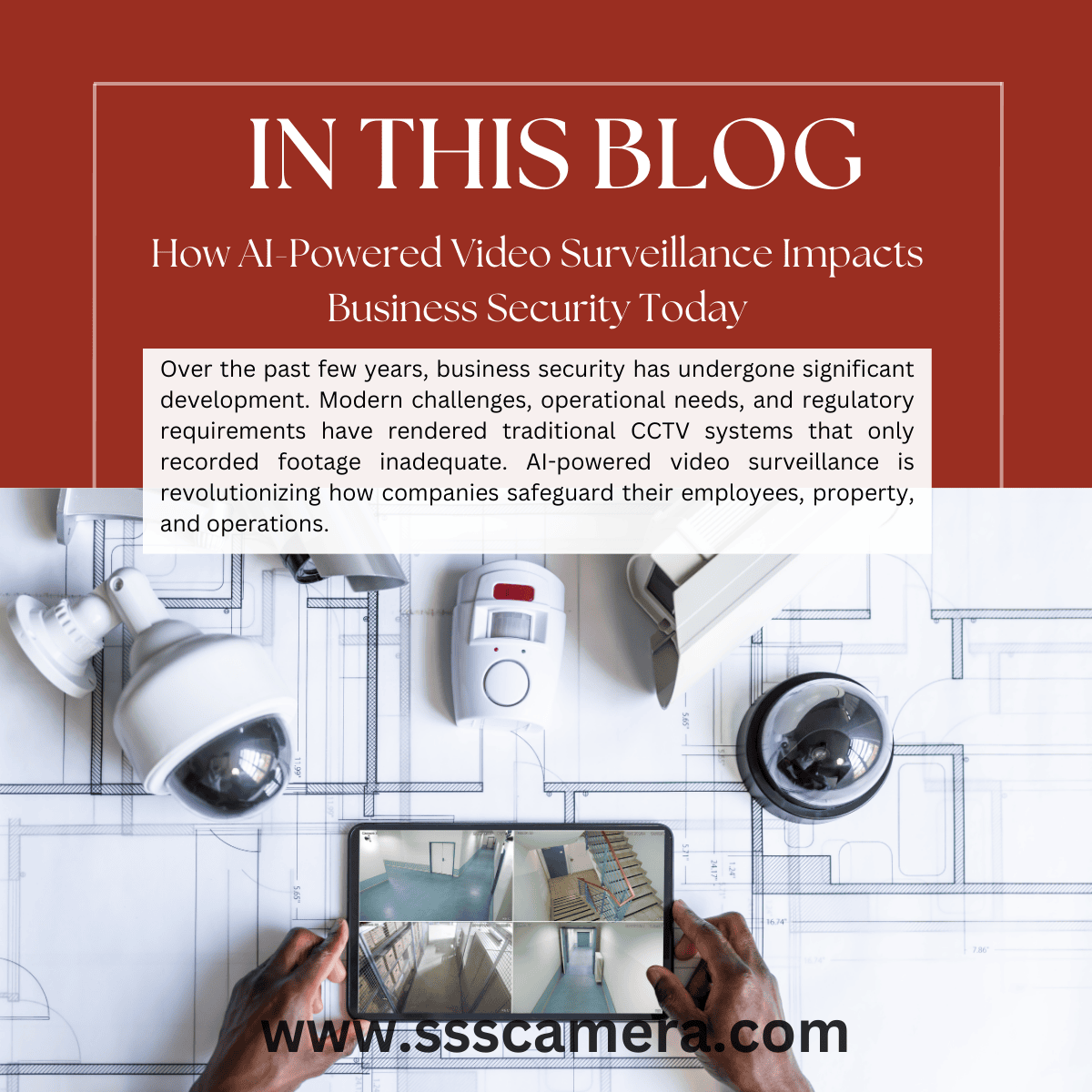
- Analytics driven by AI
- Alerts in real time
- Remote monitoring
- Storage in the cloud
- Alarm and access control integration
Why is this significant?
Businesses with more security are viewed as lower-risk clients by insurance carriers, which results in better coverage and cheaper prices.
Theft and other occurrences are much more common in businesses without security systems, which has a direct effect on insurance premiums.
How Can Business Liability Be Reduced by Video Surveillance Systems?
By guaranteeing compliance to safety regulations, averting incidents, and producing unambiguous proof, video surveillance lowers liability.
Here’s how:
1. Prevents mishaps and incidents at work
Monitoring cameras:
- Unsafe conduct
- Misuse of equipment
- Dangers or blocked exits
This aids businesses in identifying risks before they become costly claims.
Even real-time detection of safety infractions by AI-enabled surveillance can lower workplace accidents and liability risks.
2. Prevents False Allegations
Similar to slip-and-fall occurrences, false liability claims are a significant source of expenses.
Surveillance offers:
- Time-stamped footage
- Verification of clear events
- Evidence of false claims
Businesses frequently settle disputes in the absence of video evidence, even when they are not at fault.
3. Enhances Worker Responsibility
When staff members are aware of being watched:
- There is an increase in policy compliance
- Misconduct and theft decline
- Behavior at work gets better
This lowers the legal risks associated with HR and internal liabilities..
4. Provides legal protection.
Video video is admissible in court, which benefits companies:
- Respond to legal actions
- Address disagreements more quickly
- Steer clear of expensive settlements
This is particularly important for Colorado’s retail establishments, offices, warehouses, and multi-tenant structures.
Why Do Insurance Companies Give Secured Businesses Lower Premiums?
Surveillance systems directly lower the risk that insurance companies base their premiums on.
Important elements that insurers consider:
- The probability of occurrences
- Claims history
- Security infrastructure
- The ability to respond
Companies that have surveillance systems:
- There are fewer incidences
- Make fewer claims
- Faster claim resolution
This results in:
- Reduced premiums
- Improved terms of coverage
- Lower deductibles
In fact, research indicates that in certain businesses, surveillance can cut theft-related claims by as much as 30–40%.
How Can Video Surveillance Lower Insurance Costs?
By reducing mishaps, enhancing paperwork, and fortifying risk profiles, video surveillance reduces insurance costs.
1. Crime Prevention Lowers Claims
Cameras that are visible deter:
- Theft
- Vandalism
- Intrusions
Reduced incidences lead to fewer claims, which lowers premiums.
2. Quicker Processing of Claims
Using video proof:
- Claims are promptly validated
- Conflicts are reduced
- There is less fraud.
This makes your company more appealing to insurers by lowering their administrative expenses.
3. Incident Prevention in Real Time
Systems for live monitoring can:
- Look for questionable activity
- Trigger alarms
- Notify the authorities
Insurance payouts are directly decreased by preventing incidents before they occur.
4. Enhanced Risk Profile
Businesses are categorized by insurance providers according to their level of risk.
A company that has:
- High risk when there are no cameras
- Simple cameras provide a moderate risk.
- Monitored system plus AI equals little risk
Reduced risk translates into cheaper insurance.
How Much Can Businesses Save on Insurance?
Businesses with advanced surveillance systems frequently experience quantifiable drops in premiums and claims, though savings vary.
Typical advantages consist of the following:
- Decreased losses due to theft
- Lower liability claims
- Insurance company discounts
- Long-term financial savings
Furthermore, compared to conventional systems, contemporary cloud-based surveillance systems have lower operating and long-term costs.
Which kind of businesses benefit the most?
Any company can profit, but the greatest effects are felt by high-risk businesses.
Retail Outlets
- Prevent shoplifting
- Cut down on false claims
Logistics & Warehouses
- Keep inventory safe
- Monitor operations
Construction Sites
- Prevent equipment theft
- Enable remote monitoring
Corporate Structures & Offices
- Manage access
- Keep an eye on worker safety
Restaurants and Hospitality
- Decrease occurrences of liability
- Boost consumer safety
Businesses are increasingly using surveillance systems as part of their insurance strategy in Colorado cities, including Denver, Fort Collins, Lakewood, and Boulder.
Which characteristics are most helpful in lowering liability?
Advanced features yield the highest return on investment, but not all systems are created equal.
Essential features consist of:
AI-Powered Video Analysis
- Recognize odd conduct
- Quickly recognize threats
Monitoring from a distance
- Constant observation
- Quick reaction
Cloud Storage
- Safe video
- Simple access to claims
Access Control Integration
- Keep tabs on who comes and goes.
- Stop unwanted access
High-Resolution Cameras
- Unambiguous proof
- Improved recognition
What are the most current developments in the video surveillance industry?
The security sector is changing quickly, and new developments have an immediate effect on liability and insurance.
1. Make the switch to cloud-based systems
Companies are switching to cloud-managed platforms from conventional NVR systems for:
- Lower maintenance
- Better scalability
- Access from a distance
Additionally, these technologies increase efficiency and save long-term operating costs.
2. AI-Driven Surveillance
AI is changing surveillance through:
- Forecasting events
- Automating notifications
- Reducing human error
Instead of merely documenting accidents, AI systems actively prevent them.
3. The Preventive Security Method
Companies are moving from reactive to proactive security:
- Avoid situations before they arise
- Reduce legal exposure
- A decrease in insurance claims
This strategy drastically lowers long-term expenses.
4. Security System Integration
Businesses nowadays integrate:
- Cameras
- Access control
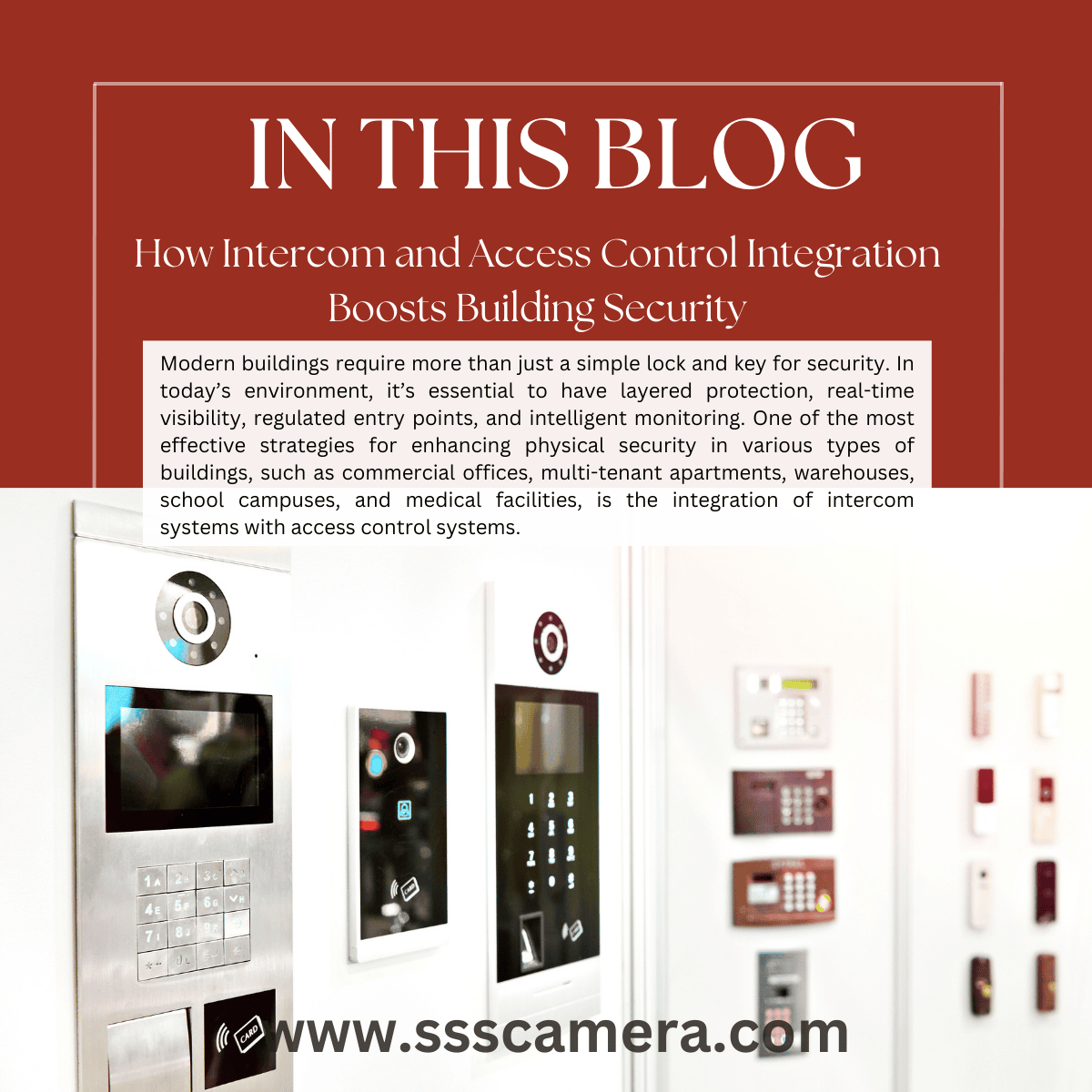
- Intercom systems
This enhances safety and lowers liability by establishing a full security ecosystem.
In what ways do surveillance systems enhance safety and compliance?
Businesses can lower compliance risks and comply with safety rules with the aid of surveillance systems.
They endorse:
- OSHA compliance
- Workplace safety standards
- Documentation of incidents
- Audits and training
Additionally, training can be enhanced, and future mishaps can be avoided by using footage from near-misses.
Why Businesses Across Colorado Are Investing in Video Surveillance Systems
Businesses in Colorado are experiencing an apparent shift in the way risk, safety, and insurance are assessed. Business owners are witnessing directly how security flaws can quickly become financial liabilities in fast-growing cities like Denver, expanding commercial hubs like Aurora, and busy places like Boulder and Colorado Springs.
Many organizations are no longer waiting for catastrophes to occur due to increased insurance costs and more stringent policy requirements. Rather, in order to better safeguard their operations, staff, and clients, they are proactively updating their security surveillance systems.
Surveillance systems are becoming an everyday component of corporate operations in mixed-use commercial buildings around the state, retail corridors in Lakewood, and warehouse areas surrounding Fort Collins, not only for security but also for long-term cost control. Owners of businesses are aware that a well-designed system improves their position when interacting with insurance companies and filing lawsuits, in addition to monitoring activity.
This change is indicative of a larger trend: businesses who spend money on more intelligent, integrated surveillance systems are not just lowering risk but also making money. Having a contemporary, well-fitted security system is now more than simply protection in cutthroat areas like Denver; it’s a strategic choice that immediately affects profits.
What Is a Video Surveillance System’s ROI?
Both direct and indirect savings contribute to the ROI.
Straight Savings
- Reduced insurance costs
- A decrease in theft losses
- A decrease in lawsuits
Savings Through Indirect Means
- Increased output
- Improved supervision of operations
- Increased client confidence
Surveillance systems frequently pay for themselves over time through lower insurance premiums and fewer losses.
Frequently Asked Questions
Q1. What is the primary advantage of video surveillance for companies?
The primary advantage is risk minimization, which lowers insurance costs, lessens liability claims, and helps prevent mishaps.
Q2. Are insurance rates actually reduced by security cameras?
Indeed, because monitoring systems cut risk and claims, many insurers provide lower premiums for companies that have them.
Q3. In what ways can video surveillance lessen claims for legal liability?
It offers clear proof, minimizes mishaps, and shields businesses from fraudulent or false claims.
Q4. Are surveillance systems beneficial for small businesses?
Of course. Preventing theft, limiting liability, and cutting insurance costs frequently help small businesses the most.
Q5. For insurance savings, what kind of surveillance system works best?
The biggest impact on lowering risk and insurance costs comes from cloud-based, AI-powered solutions with remote monitoring.
In conclusion
Video surveillance systems have evolved beyond being just security tools; they are now considered a revenue strategy.
These systems help companies by:
- Reducing the risk of liability
- Preventing costly incidents
- Lowering insurance premiums
- Enhancing legal protection
Businesses that invest in modern surveillance systems gain a significant competitive advantage, especially as insurance companies increasingly prioritize risk reduction.
Regardless of your location in Colorado, whether in Denver, Aurora, Boulder, or elsewhere, upgrading your security system is one of the best long-term investments you can make.
Call to Action
Are you looking to reduce liability and lower your insurance costs?
At SSS, we specialize in:
- Installation of video surveillance systems
- AI-driven monitoring solutions
- Integration of access control systems
- Customized security solutions for businesses
We help companies establish smarter, more secure, and efficient security systems in Denver, Colorado Springs, Boulder, Aurora, and the surrounding areas.
Contact us today for a consultation and discover how much you can save with the right surveillance system!