Why Experience Matters in Commercial Security Installation
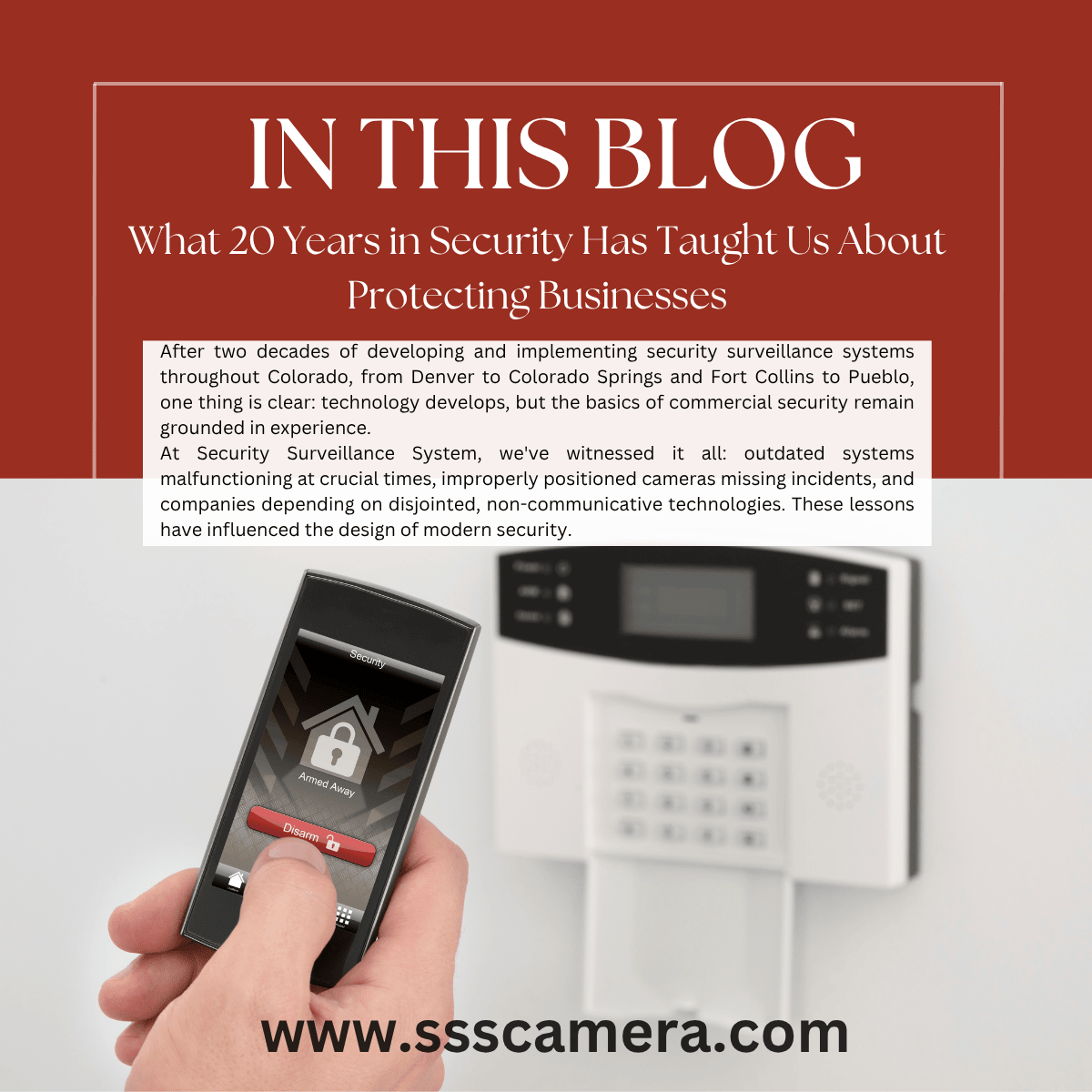
The design, implementation, and integration of surveillance cameras, access control, and monitoring systems constitute a commercial security installation. Experience determines whether these systems truly safeguard your company or leave holes.
The strength of a security system depends on the level of expertise that goes into it. Although cameras, access control panels, and analytics software are tools, they require years of practical expertise to know where to put them, how to integrate them, and how to make them future-proof.
Security is now more than just filming footage for companies in Colorado, from Denver to Colorado Springs, Fort Collins, Boulder, and Lakewood. It has to do with operational intelligence, liability protection, risk mitigation, and compliance. And that’s where seasoned suppliers like SSS excel.
Why do insufficient installations result in security breaches?
Because blind spots, incorrect configurations, and a lack of integration, rather than a lack of cameras, are the main sources of security threats.
Installing cameras is thought to be sufficient by many firms. In actuality, novice installs frequently lead to
- Blind spots in crucial locations, such as parking lots, cash handling zones, and entrances
- Inaccurate lighting exposure or camera angles
- Poor video quality as a result of using the incorrect lens
- Systems that are incompatible with alarms or access control
- Unreliable storage or no remote access
These errors are expensive. Not only monetarily, but also legally.
Businesses may be vulnerable to lawsuits, insurance disputes, and internal theft if a poorly designed system is unable to produce useful evidence.
How can experience enhance the performance and design of a system?
Skilled installers consider more than simply hardware when designing systems; they also consider risk, workflow, and long-term scalability.
Experienced integrators with 20 years of experience are aware of:
1. Strategic Location of Cameras
Experience aids in locating high-risk places, not simply those that are readily apparent. This comprises:
- Areas reserved for employees exclusively
- Inventory storage
- Loading docks
- Emergency exits
2. Matching Technology
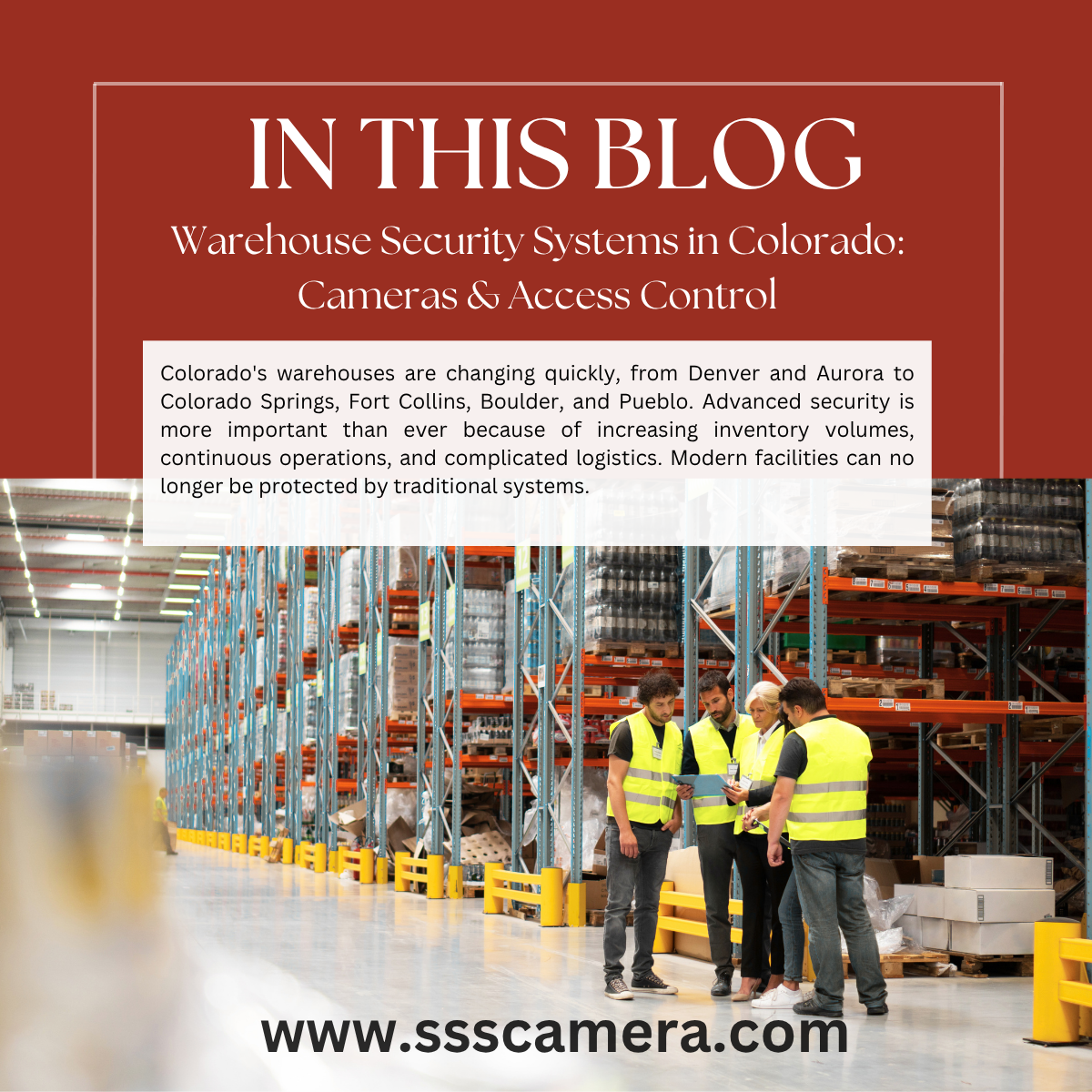
Different businesses require different solutions. A dealership in Thornton or a warehouse in Aurora has different requirements than a restaurant in Denver.
Skilled providers select:
- IP cameras vs analog upgrades
- Local versus cloud storage
- Standard recording versus AI analytics
3. System Integration
Modern security is interconnected:
- Video surveillance
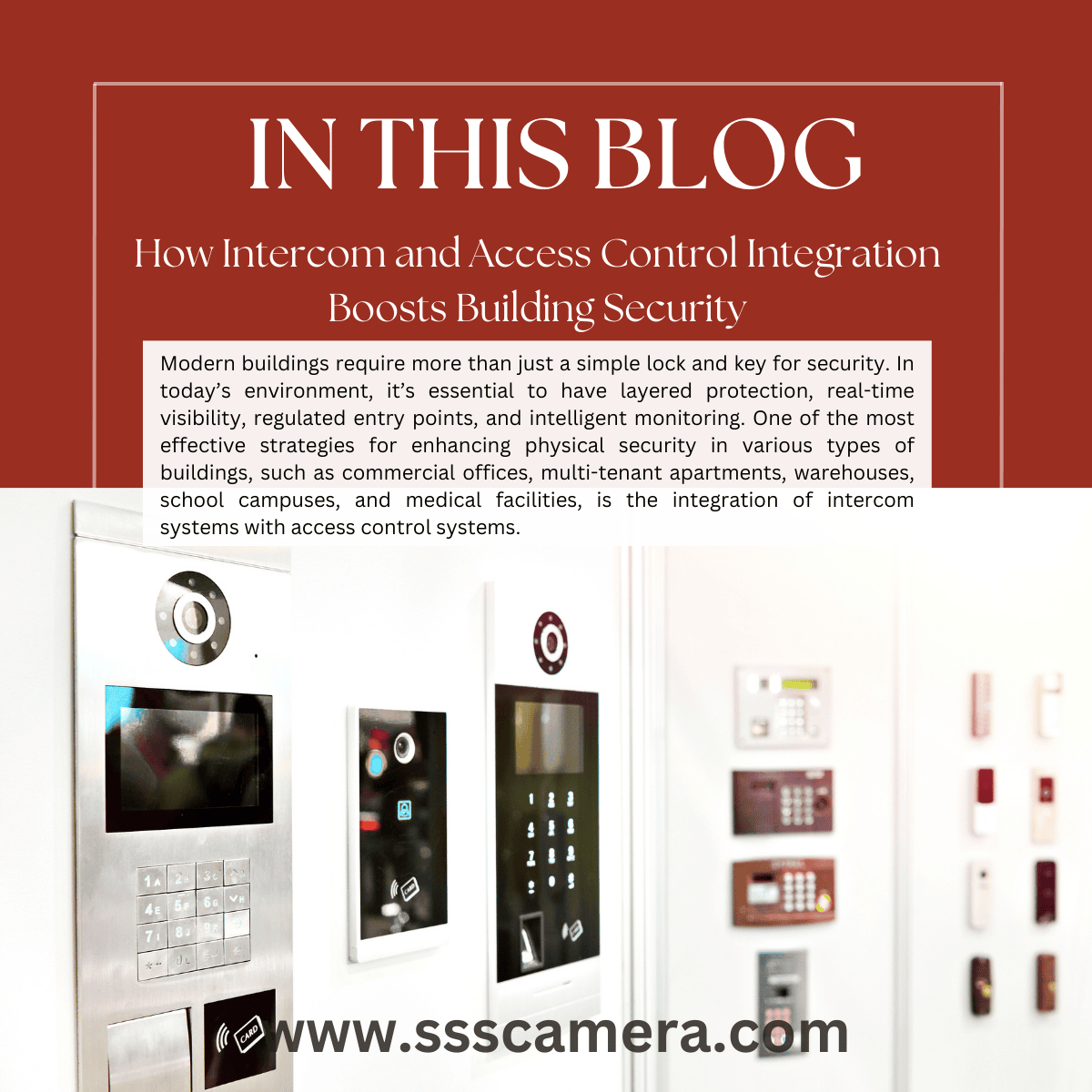
- Access control
- Intercom systems
Skilled installers guarantee the smooth operation of these devices.
What are the latest trends shaping commercial security systems?
Security is becoming proactive instead of reactive thanks to AI, cloud computing, and smart analytics.
Over the past ten years, the industry has seen significant change and is still growing faster.
Significant Industry Trends
1. AI-Driven Monitoring
Behavior, not simply mobility, is detected by modern systems. In real time, they are able to spot questionable activity.
- According to 83% of experts, AI analytics is a key growth factor.
2. Cloud & VSaaS (Video Surveillance as a Service)
Cloud-based technologies are becoming more popular among businesses due to their flexibility and remote access.
- Cloud storage dominates the industry due to its scalability.
3. Quick Market Expansion
- By 2033, the commercial security market is expected to have grown from $202 billion in 2024 to $540 billion.
- Strong long-term demand is indicated by a CAGR of more than 11%.
4. AIoT (AI + IoT Integration)
These days, systems integrate cameras with sensors, analytics, and access control.
- AI-powered technologies are turning surveillance into instruments for preventative monitoring.
5. Active Deterrence Systems
Modern surveillance stops incidents in real time, not merely records them.
Why is experience more important when using modern technology?
Advanced systems are more powerful but also more complicated.
Today’s systems include:
- Recognition of faces
- Recognition of license plates
- Remote monitoring
- Mobile access
- Real-time alerts
When not configured properly, these features
- Don’t function properly
- Set off false alarms
- Increase the risk of compliance
Skilled experts guarantee:
- Accurate calibration
- Appropriate data storage guidelines
- A flawless user experience
How is security installation affected by rules and compliance?
Legal requirements must be met by businesses, and experience guarantees compliance.
Security systems are connected to:
- Privacy laws
- Rules governing data storage
- Compliance with industry-specific regulations (financial, healthcare, retail)
The installation of systems is changing globally due to changing cybersecurity and surveillance regulations. Businesses are being forced to implement compliant solutions as governments impose more stringent regulations on data protection and system security.
An expert installer guarantees:
- Appropriate parameters for data retention
- Configuring a secure network
- Adherence to national and local regulations
What real-world lessons come from 20 years in the security industry?
Under pressure, experience teaches us what works and what doesn’t.
Lesson 1: Low-cost systems don’t work when you need them most
Frequent low-cost installations:
- Disintegrate
- Offer low-quality images
- Insufficient assistance
Lesson 2: Integration is crucial
Gaps are created by disconnected systems. Control is produced by integrated systems.
Lesson 3: Upkeep is essential
Security systems need:
- Modifications
- Examining
- Modifications
Lesson 4: Every company is different
Vulnerabilities result from a one-size-fits-all strategy.
In what ways does experience lower long-term expenses?
By avoiding costly errors, improvements, and malfunctions.
Experienced suppliers may be more expensive initially, but they save money by:
- Designing scalable systems
- Avoiding reinstallation
- Reducing downtime
- Preventing liability and theft
When implemented and maintained correctly, modern systems also lower insurance premiums and claims.
Why do Colorado businesses rely on experienced security providers?
Because local expertise matters.
Businesses in Denver, Boulder, Fort Collins, Aurora, Lakewood, and Colorado Springs must deal with:
- An increase in property crimes
- Liability risks
- Employee safety concerns
Skilled providers are aware of:
- Local commercial settings
- Construction plans
- Regional hazards
This enables them to create systems that are customized to actual circumstances rather than using generic models.
What qualities should a commercial security installer have?
Long-term support, integrating skills, and experience.
Important Elements:
- Years of operation (proven track record)
- Industry-specific knowledge
- The capacity to combine several systems
- Continuous upkeep and assistance
- Understanding of rules and compliance
Industry Trends: The Future of Commercial Security
Security systems will be redefined over the next ten years:
- AI will be included in every surveillance system.
- Installations will be dominated by cloud-based solutions.
- VSaaS, or subscription-based models, will expand quickly.
- Business intelligence systems will be integrated with security.
- A crucial component of physical security will be cybersecurity.
Security is evolving from protection to a business tool for risk management, efficiency, and analytics.
Frequently Asked Questions
Q1. What is the most crucial element when installing a security system?
The most crucial element is experience since it guarantees appropriate integration, positioning, and design.
Q2. How much time does it take to set up commercial security?
Most systems take a few days to a few weeks, depending on their size and complexity.
Q3. Do modern security systems justify the cost?
Indeed. They can minimize insurance costs, increase safety, and lessen theft.
Q4. What distinguishes professional installation from do-it-yourself installation?
Reliability, compliance, and long-term performance are guaranteed by professional installation.
Q5. How frequently should security systems be updated?
Depending on developments in technology, systems should be examined every year and updated every three to five years.
Conclusion
The difference between a system that only logs incidents and one that stops them is experience.
Businesses require more than just cameras in the rapidly changing security world of today. They require scalable, intelligent, and integrated systems created by experts who are aware of the hazards that exist in the real world.
With more than 20 years of experience, SSS embodies the type of knowledge that transforms security from a checkbox to a strategic advantage.
Call to Action
If your company is using an outdated or poorly installed system, now is the time to act.
SSS offers:
- Skilled installation of commercial security
- AI-driven monitoring systems
- Integration of intercoms and access control
- Constant system improvements and support
Make an appointment for a consultation with SSS right now to learn how a seasoned security partner can safeguard your company both now and in the future.