Why Commercial Buildings Need Secure and Compliant Intercom Systems
Securing people, property, and critical operations in today’s commercial environment requires more than just cameras and locks. Safe and compliant intercom systems have become essential components of modern business security. These systems play a vital role in access control, visitor verification, regulatory compliance, and emergency response across various settings, including office buildings, warehouses, healthcare facilities, retail establishments, and multi-tenant properties.
Intercom systems are evolving beyond simple communication tools; they are now frontline security assets. As commercial buildings grow more complex and threats become more sophisticated, intercoms seamlessly integrate with surveillance cameras, access control systems, and cloud-based management platforms, enhancing overall security measures.
Intercom Systems’ Shifting Function in Commercial Security
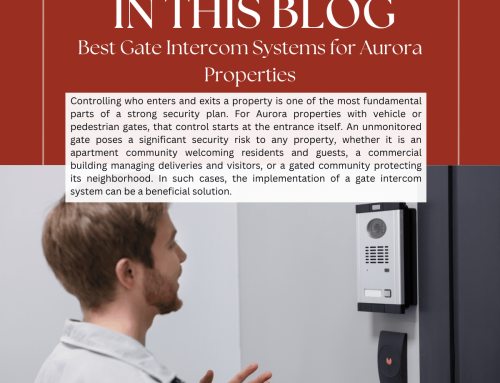
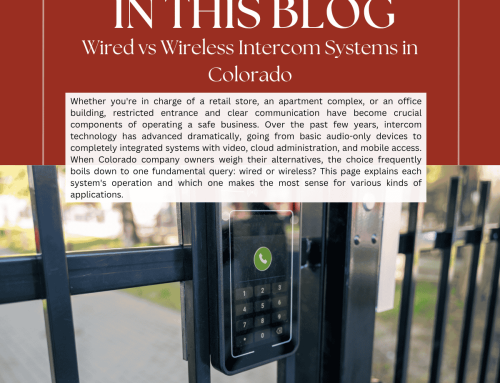
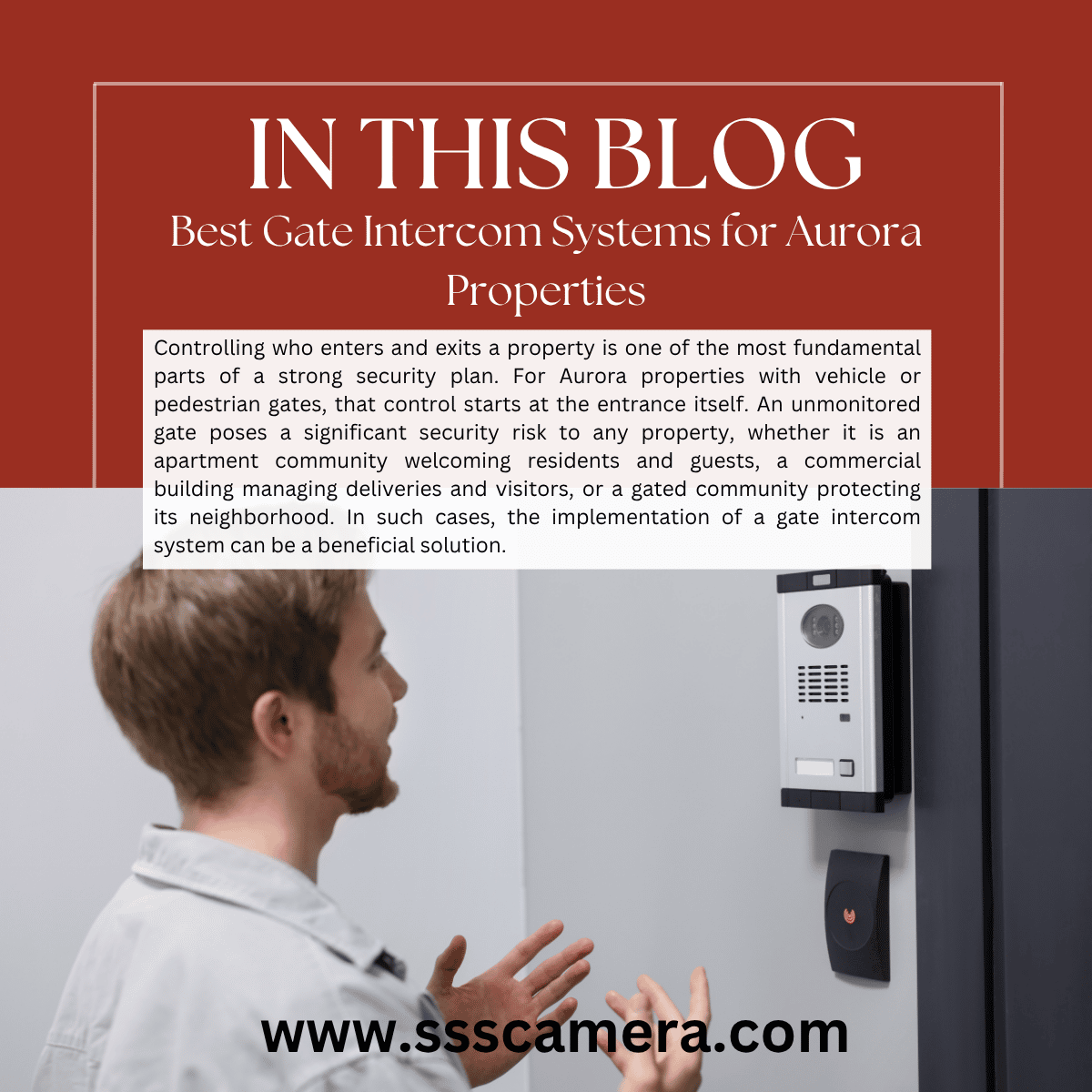
Intercom systems used to be straightforward audio-based devices that were used to communicate with guests at the entrance. Commercial intercom systems nowadays are far more sophisticated. Video intercoms, IP-based intercom systems, cloud management, mobile-enabled access, and encrypted communication protocols are examples of contemporary solutions.
These developments enable security teams to:
- Before allowing access, visually confirm visitors
- To ensure compliance, keep digital access logs
- Connect intercoms to access control and CCTV
- React more quickly in an emergency
- Decrease security incidents and unwanted entries
Intercom systems are the first line of defense in commercial settings with heavy foot traffic and ongoing security threats.
Why Commercial Buildings Need Secure Intercom Systems
1. Preventing Unauthorized Access
Controlled entry is one of the main purposes of a business intercom system. Anyone entering a building must use the intercom to identify themselves. Before remotely unlocking doors, security staff can visually verify identity when combined with video surveillance.
Over 30% of commercial security breaches include unwanted physical access, frequently through unmonitored or insecure entry points, according to industry statistics. By guaranteeing that each admission request is validated, secure intercom systems greatly lower this danger.
2. Improving Accountability and Visitor Management
Every day, deliveries, contractors, vendors, visitors, and clients arrive at commercial establishments. It becomes challenging to keep track of who entered the building and when without effective guest control.
Contemporary intercom systems offer:
- Call logs for visitors
- Access records with time stamps
- Video footage associated with entry events
- Integration with credentials for access control
These characteristics produce a transparent audit trail, which is crucial for regulatory audits, insurance claims, and incident investigations.
3. Supporting Security and Regulatory Compliance Standards
Strict security and compliance standards must be met by numerous industries, such as:
- Healthcare (physical security connected to HIPAA)
- Banking and financial services
- Municipal and governmental structures
- Education campuses
- Manufacturing and industrial facilities
Secure intercom systems assist businesses in adhering to rules by offering:
- Access logs that are documented
- Safe lines of communication
- Integration with security systems under observation
- Restricted places with controlled access
Facilities that don’t have established access control procedures are more susceptible to penalties, legal problems, and noncompliance.
4. Integration with Access Control and Surveillance Systems
When intercom systems are a part of a fully integrated security environment, they work best. When linked to:
- Video surveillance cameras and CCTV
- Keypads, biometric access systems, and card readers
- Systems for detecting intrusions and alarms
Security teams acquire situational knowledge in real time. For instance, the system can automatically display a live video feed, capture the interaction, and document the access decision when a visitor hits an intercom button.
This degree of integration lowers human error and speeds up reaction times.
5. Improving Emergency Response and Communication
Communication speed is crucial during crises like lockdowns, medical incidents, and fire evacuations. Systems for commercial intercoms enable:
- Two-way communication in an emergency
- Announcements for the entire building
- Quick communication between residents and security personnel
Clear emergency communication can cut evacuation times by as much as 40%, greatly increasing occupant safety, according to studies.
6. Lowering Security Expenses While Increasing Coverage
Intercom systems offer automatic access control without requiring more personnel, even though hiring more security officers can be expensive. Capabilities for remote access enable:
- Teams of off-site security personnel to control admission
- Fewer employees are working at physical entrances.
- Centralized surveillance across several sites
This results in reduced operating expenses while preserving a high degree of security protection.
7. Enhancing Customer, Employee, and Tenant Experience
Security doesn’t have to feel constrictive. Convenience and usefulness are key design elements of contemporary intercom systems. Tenants or management can use mobile-enabled intercoms to:
- Respond to smartphone entry requests
- Permit remote access
- Handle login credentials without tangible keys
Tenant satisfaction is increased, and the property’s professionalism is enhanced by a safe and easy entry process.
Market Trends and Statistics for Commercial Intercoms
Industry data demonstrates how important intercom systems are becoming:
- Due to rising demand for smart security solutions, the worldwide commercial intercom market is expected to expand at a compound annual growth rate (CAGR) of more than 8% over the next ten years.
- Up to 50% fewer unlawful entrance attempts are reported by facilities that use video intercom systems.
- As part of their standard security design, intercom systems are now integrated with access control and surveillance in more than 60% of newly constructed commercial buildings.
These patterns demonstrate that intercom systems are now required for contemporary commercial buildings and are no longer optional.
Businesses That Benefit the Most from Secure Intercom Systems
Commercial intercom systems are extensively utilized in many different industries, such as:
- Corporate campuses and office towers
- Logistics hubs and warehouses
- Shopping malls and retail establishments
- Clinics and healthcare facilities
- Commercial properties with many tenants
- Academic establishments
- Manufacturing and industrial facilities
Reliable communication, accountability, and restricted access are necessary in each of these settings.
Frequently Asked Questions
What distinguishes commercial intercom systems from residential ones?
Higher traffic volumes, numerous entry points, sophisticated integrations, and regulatory compliance are all features of commercial intercom systems. Compared to household systems, they are more reliable and expandable.
Are audio-only intercoms less secure than visual intercoms?
Indeed. By offering visual verification, video intercoms lower the possibility of fraud and illegal access.
Can current security cameras be integrated with intercom systems?
The majority of contemporary IP-based intercom systems easily interface with cloud-based surveillance platforms, CCTV, and NVRs.
Are access logs stored by intercom systems?
Indeed. Commercial intercom systems that are secure keep thorough logs to aid in audits, investigations, and compliance.
Is it possible to control intercom systems from a distance?
Of course. Authorized users can control access from computers or smartphones using cloud-enabled intercom systems.
Are intercom systems appropriate for companies with multiple locations?
Indeed. Businesses may manage several websites from a single platform thanks to centralized management.
Concluding Remarks:
Intercom systems are essential for commercial buildings; they are no longer optional add-ons. These systems play a vital role in enhancing emergency response, ensuring compliance, improving access control, and seamlessly integrating with surveillance and access control systems.
When implemented and connected correctly, intercom systems make businesses safer, smarter, and more productive, protecting not only the buildings but also the people within them.
Furthermore, the advancement in intercom technology allows for features such as video integration, mobile access, and remote communication, making them even more effective. As the demand for security solutions grows, investing in a robust intercom system is a proactive step toward maintaining a secure environment for both employees and visitors. Ultimately, these systems contribute significantly to a company’s overall safety strategy, fostering a culture of security awareness and preparedness.