Why Properties Are Switching to Modern Cloud-Based Intercoms
A practical look at security, convenience, and long-term value
An intercom system used to be merely a plain box at the door. A door buzzed open, a voice emerged from a crackling speaker, and a button was pressed. That was all. Property owners considered these systems to be “good enough” for decades.
That way of thinking has evolved.
These days, developers, company owners, HOAs, and property managers have higher expectations for their security systems. They desire integration, remote access, control, and visibility. For this reason, traditional door phones are rapidly being replaced with cloud-based intercom systems in both residential and commercial settings.
We at Security Surveillance System have witnessed this shift in gated communities, offices, mixed-use buildings, and apartments. The change is about addressing actual issues that earlier systems are no longer able to tackle, not about trends or ostentatious technology.
What Are Cloud-Based Intercoms?
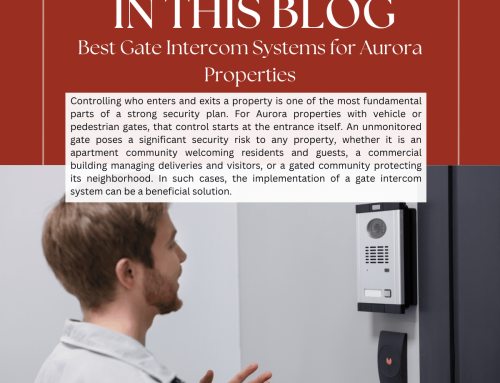
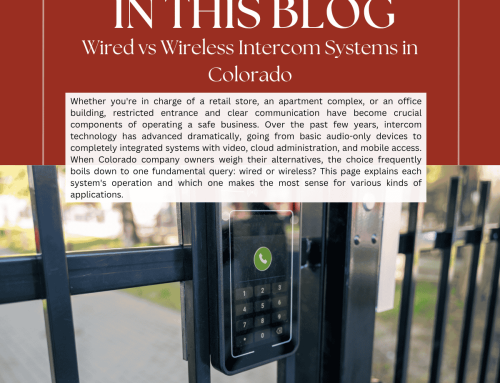
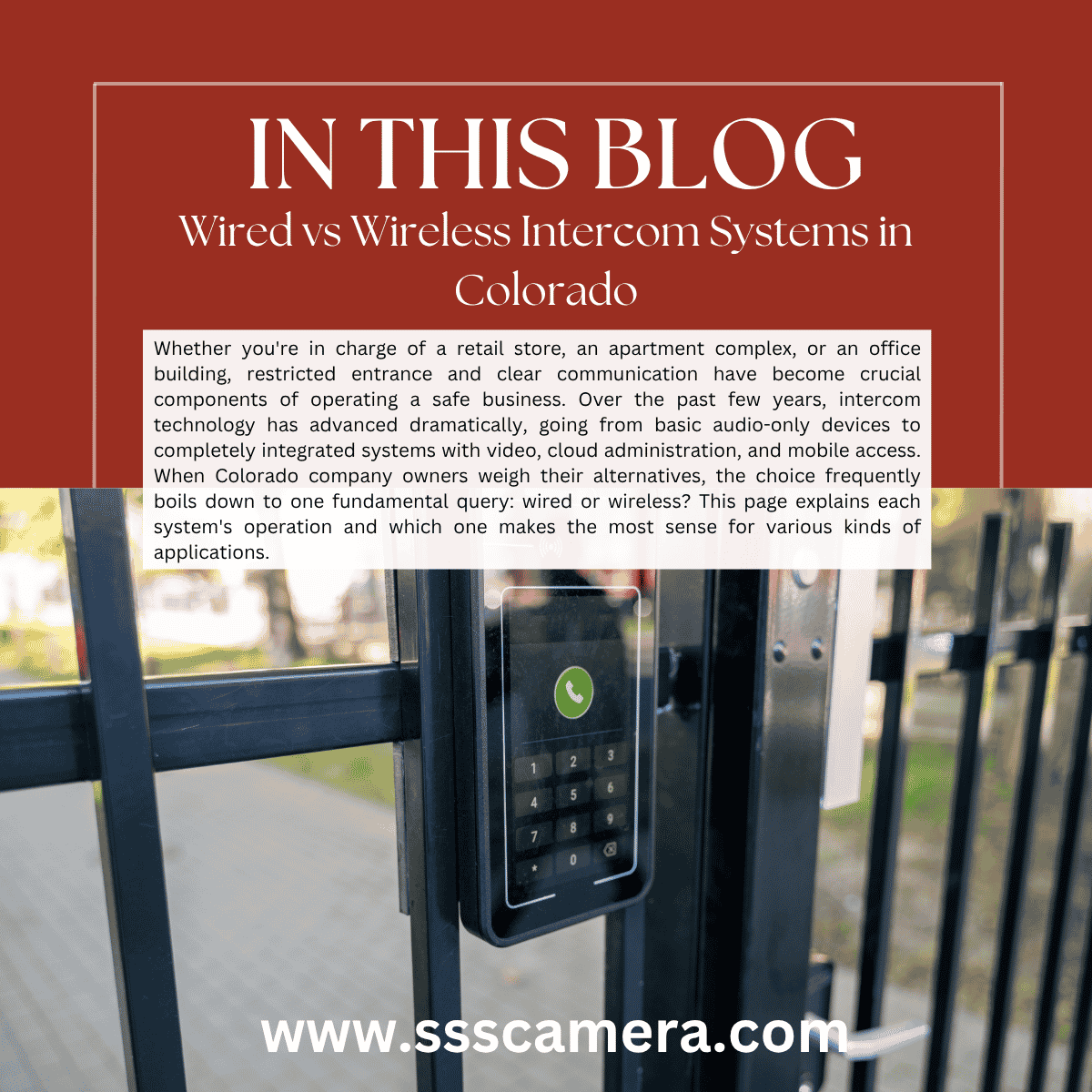
Cloud-based intercoms are digital communication systems hosted on the cloud, in contrast to classic analog intercoms that depend on local hardware and physical cable. They use the internet to link gadgets such as door stations, smartphone apps, and building management consoles. You can control guests, keep an eye on access, and communicate in real time from any location thanks to our networked design.
The Issue with Traditional Intercom Systems
Traditional intercoms were built for a different era. Most depend on:
- Analogue wiring
- Control panels on-site
- Limited contact via audio only
- Updates and repairs by hand
Even while these systems “work” in theory, they continue to provide problems for contemporary qualities.
Typical restrictions consist of:
- There is no video confirmation
- No access to mobile devices
- No management from a distance
- Costly fixes when hardware malfunctions
- Expanding buildings can be challenging.
This often results in dissatisfied tenants, overworked employees, and security flaws in multi-tenant buildings that go undiscovered until something goes wrong.
What differentiates a cloud-based intercom?
Instead of depending only on local hardware, a cloud-based intercom system makes use of cloud software and internet access. A secure cloud platform connects door stations, cameras, mobile apps, and management dashboards.
Property employees may now control access from any location, not just a front desk or security office.
Significant differences at a glance:
- Software-driven rather than hardware-based
- Remote access with a web portal or smartphone
- Audio and video in real time
- Automatic system enhancements and updates
- Simple access control and camera integration
This change is similar to what happened with video surveillance, accounting software, and email; cloud platforms only provide greater power and flexibility.
Why Properties Are Moving to Cloud-Based Intercoms
1. Rather than being a luxury, remote access is now a need.
Remote accessibility is a major factor in the adoption of cloud intercoms by properties.
With modern systems:
- Property managers are able to answer doors from any location.
- On their phones, residents may view guests.
- Access can be granted or denied by staff members who are not present.
This is particularly crucial for:
- Multi-building communities
- Access after hours
- Management of packages and deliveries
- Emergency circumstances
The ability to manage access remotely saves time, lessens personnel pressure, and speeds up response times in a world where teams are overworked.
2. Video Verification Improves Real Security
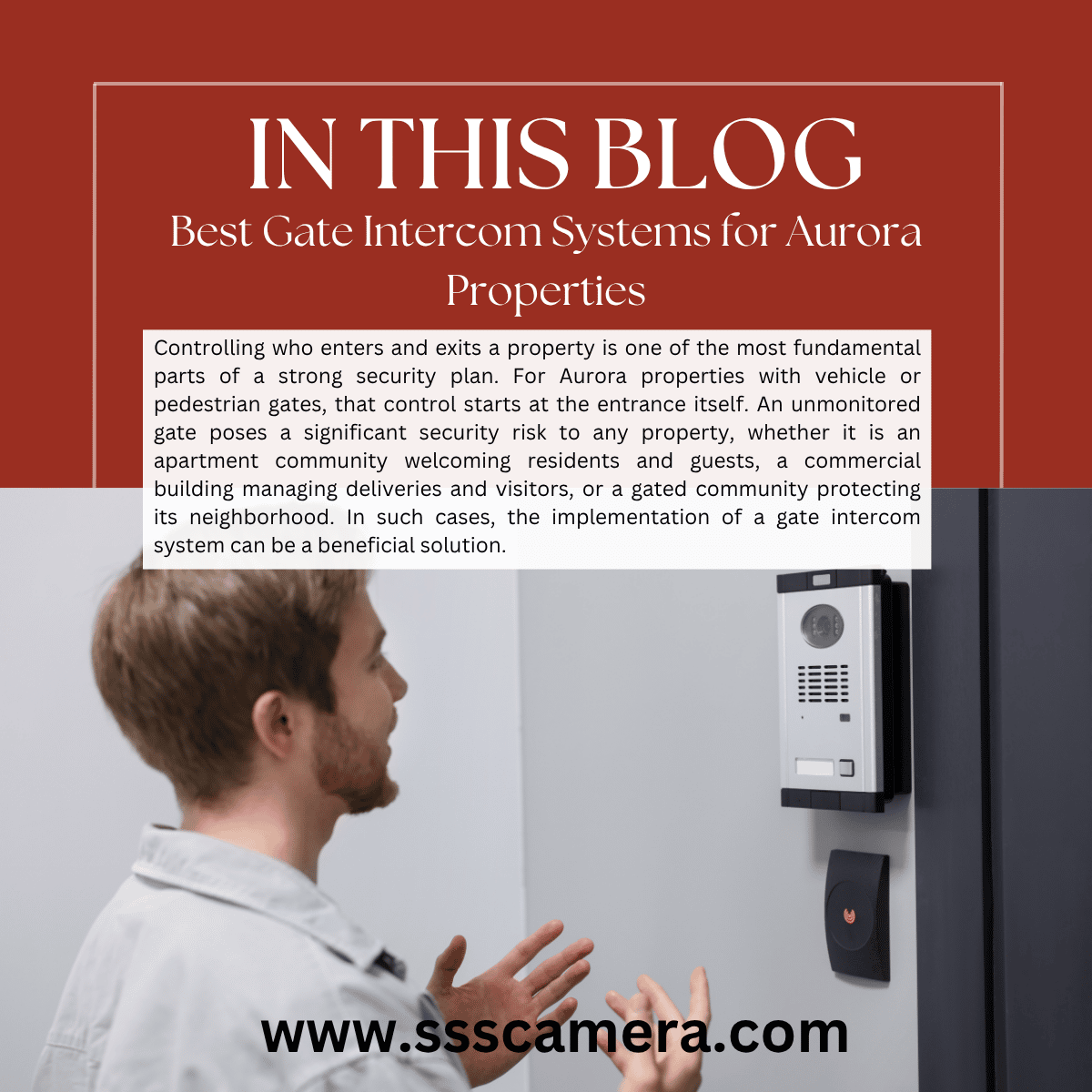
There is too much room for speculation with audio-only intercoms. High-definition video is a common feature of cloud-based systems, enabling users to see precisely who is requesting access.
This reduces to:
- Incidents involving tailgating
- Unauthorized access
- Attempts at social engineering
Additionally, video verification promotes responsibility. Access events can be examined at a later time in the event of an incident when paired with cloud recording.
3. Smooth Integration with Security Surveillance Systems
The ease with which cloud intercoms interact with current security architecture is one of their greatest benefits.
Contemporary intercom systems are compatible with:
- IP cameras and CCTV systems
- Panels for access control
- Software for managing visitors
- Video storage on the cloud
This integration is essential for a business such as Security Surveillance System. Properties receive a comprehensive security ecosystem that integrates cameras, intercoms, and access control rather than running separate systems.
Better monitoring, quicker investigations, and fewer blind spots result from this.
4. Reduced Long-Term Expenses and Simpler Upkeep
Up until repairs start to mount up, traditional intercom systems can appear to be less expensive.
Cloud-based intercoms lower expenses by:
- Getting rid of big on-site servers
- Cutting down on wiring complexity
- Permitting updates and diagnostics at a distance
- Reducing the number of physical component failures
Instead of replacing hardware, software upgrades can fix a lot of problems. This drastically reduces operating and maintenance costs over time.
5. Scalability for Increasing Properties
Conventional intercom systems find it difficult to keep up with the growth of properties. more wiring, control panels, and configuration work are frequently needed when adding more units or entrances.
Cloud-based solutions are far easier to scale:
- Install new doors without significantly altering the infrastructure.
- Use a single dashboard to manage several properties.
- Instantaneously modify permissions
Because of this, cloud intercoms are perfect for developing companies, property portfolios, and future-focused developers.
6. Improved Tenant and Resident Experience
Security systems influence everyday experiences in addition to safeguarding facilities.
Tenants and residents value:
- Access to mobile apps
- Unambiguous video communication
- Quicker admission for visitors
- A decrease in missed deliveries
This has a direct effect on retention and satisfaction for residential homes. It enhances visitor flow and professionalism for commercial establishments.
7. Improved Logs, Data, and Accountability
Systems for cloud intercoms automatically produce:
- Access logs
- Timestamps for entries
- Video footage
- Records of user action
This information is crucial for:
- Investigations into incidents
- Requirements for compliance
- Audits of properties
- Claims for insurance
Property managers have clear digital records at their fingertips rather than depending on recollection or handwritten logs.
Industry Statistics in Support of the Change
- As properties update their infrastructure, cloud-managed building security solutions are becoming more and more popular.
- When compared to isolated systems, properties that use integrated cloud security report quicker incident reaction times.
- When updating entrance systems, multi-tenant buildings are placing a greater emphasis on centralized management and mobile access.
- The need for cloud-based access and communication solutions is still being driven by smart building initiatives.
These patterns demonstrate that the use of cloud intercoms is becoming commonplace rather than slowing down.
Where Cloud-Based Intercoms Are Most Effective
Residential Buildings
- Apartment buildings
- Condos and townhomes
- Housing for students
- Communities for senior citizens
Commercial Real Estate
- Workplace structures
- Corporate campuses
- Healthcare facilities
- Retail establishments
Gated & Mixed-Use Properties
- HOA communities
- Industrial parks
- Storage facilities
- Developments with several uses
Remote administration, video verification, and centralized access control are advantages for every environment.
Frequently Asked Questions:
Q1. Can older buildings use cloud intercoms?
Indeed. Numerous cloud solutions are compatible with current infrastructure and are made for retrofit installs.
Q2. Are there monthly fees for cloud intercoms?
Certain systems have membership fees; however, these are frequently compensated for by fewer repairs, maintenance, and personnel requirements.
Q3. Can current cameras be integrated with cloud intercoms?
Yes, in a lot of situations. System compatibility is a must for integration and can be evaluated by a qualified installer.
Q4. Can cloud intercoms be used in the future?
Cloud systems are simpler to change over time because they rely on software updates rather than hardware replacement.
Q5. Who ought to set up an intercom system that is cloud-based?
Security Surveillance System and other expert security integrators guarantee correct setup, integration, and long-term dependability.
Q6. Can a front desk or concierge be replaced by cloud-based intercoms?
Yes, in a lot of situations. Remote employees or property managers can manage guest access without being physically present thanks to cloud intercoms. They greatly lessen reliance on full-time front desk staffing, even though they might not completely replace concierge services in upscale buildings.
Q7. Are cloud-based intercoms just appropriate for large buildings, or are they also appropriate for modest properties
Both benefit greatly from cloud intercoms. While larger assets benefit from centralized control and scalability, smaller apartment buildings and workplaces enjoy lower maintenance and mobile access. The system is not one-size-fits-all; it can be scaled to meet the property.
Q8. How are package deliveries handled by cloud intercoms?
Delivery drivers can communicate with residents directly over the intercom in many cloud intercom systems. By remotely unlocking doors and physically confirming the driver, residents may lessen package theft and missed deliveries, two issues that are becoming more prevalent in residential buildings.
Q9. Is it possible to customize cloud intercoms for various access levels?
Indeed. Residents, employees, merchants, and guests can all be given varied permissions by administrators. For instance, residents enjoy 24/7 access rights, while cleaning personnel might only be able to enter during certain hours.
Q10. Can bilingual interaction be facilitated by cloud intercom systems?
Multilingual interfaces or prompts are available in many contemporary systems, which is particularly useful for multicultural residential communities and commercial establishments that host foreign guests.
Concluding Remarks: Why This Change Is Here to Stay
Cloud-based intercom systems are transforming how properties manage access, communication, and security. They are not merely replacing outdated door phones; they offer a modern solution for today’s hotels. These systems allow for remote guest viewing, quick responses, interaction with security cameras, and easy scalability.
At Security Surveillance System, we help property owners design intercom solutions that fit their buildings, budgets, and long-term goals while avoiding unnecessary complexity.
If your current intercom system feels outdated, difficult to maintain, or disconnected from your overall security setup, it may be time to consider upgrading to a cloud-based solution.