How Intelligent Alarm Systems Improve Protection Through Integration
Traditional alarm systems are inadequate for reliable protection as security threats become more complex. Simple alarms that merely sound a siren or issue a warning when a sensor is triggered often cannot differentiate between genuine threats and legitimate activities. This confusion can result in overlooked incidents, delayed responses, and false alarms.
In contrast, intelligent alarm systems, when combined with modern security surveillance technology, offer a faster, more intelligent, and more reliable defense method. By integrating alarms with cloud platforms, automation, analytics, video surveillance, and access control, organizations and homes can achieve proactive security instead of merely reactive security.
Understanding Intelligent Alarm Systems
Instead of only responding to a single trigger, an intelligent alarm system is a security solution that analyzes, verifies, and reacts to events. These systems are dependent on cutting-edge technology like cloud computing, machine learning, artificial intelligence (AI), and Internet of Things connectivity.
Compared to traditional alerts, intelligent systems can:
- Identify and analyze behavioral patterns
- Connect information from several sensors
- Use video analytics to verify threats
- Real-time reaction automation
- To increase accuracy, learn from past occurrences.
The final product is a system that helps you identify what is happening and how serious it is, in addition to alerting you when something happens.
The Power of Integration in Security Surveillance
Breaking Down Security Silos
Fragmentation is one of the main flaws in earlier security configurations. Monitoring platforms, cameras, access control, and alarms frequently function independently. Blind spots are produced, and reaction times are slowed down.
All of these elements are combined into a unified ecosystem via an integrated intelligent alarm
systems, which enable smooth communication between:
- Alarms for intrusions
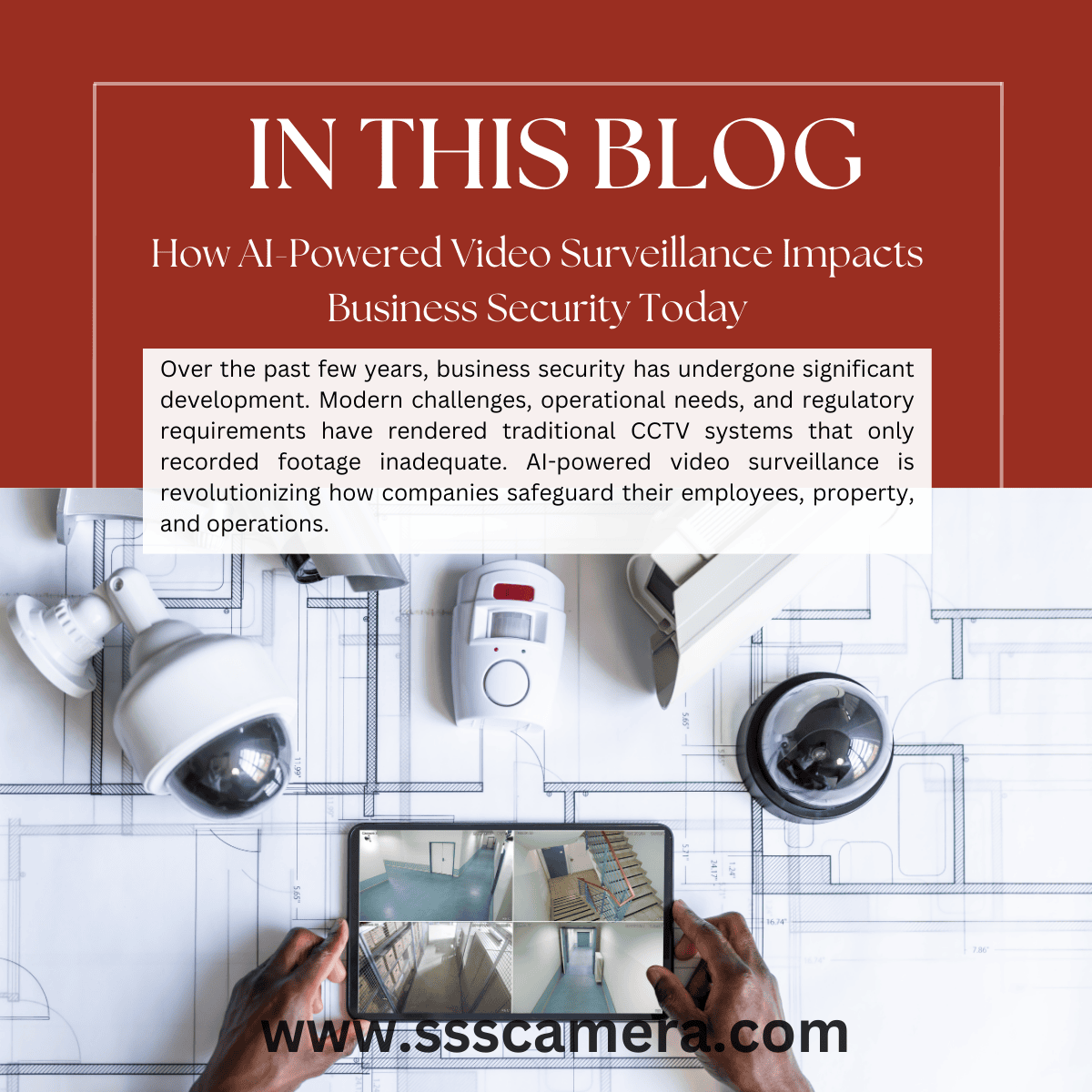
- IP cameras and CCTV
- Motion, perimeter, and glass-break sensors
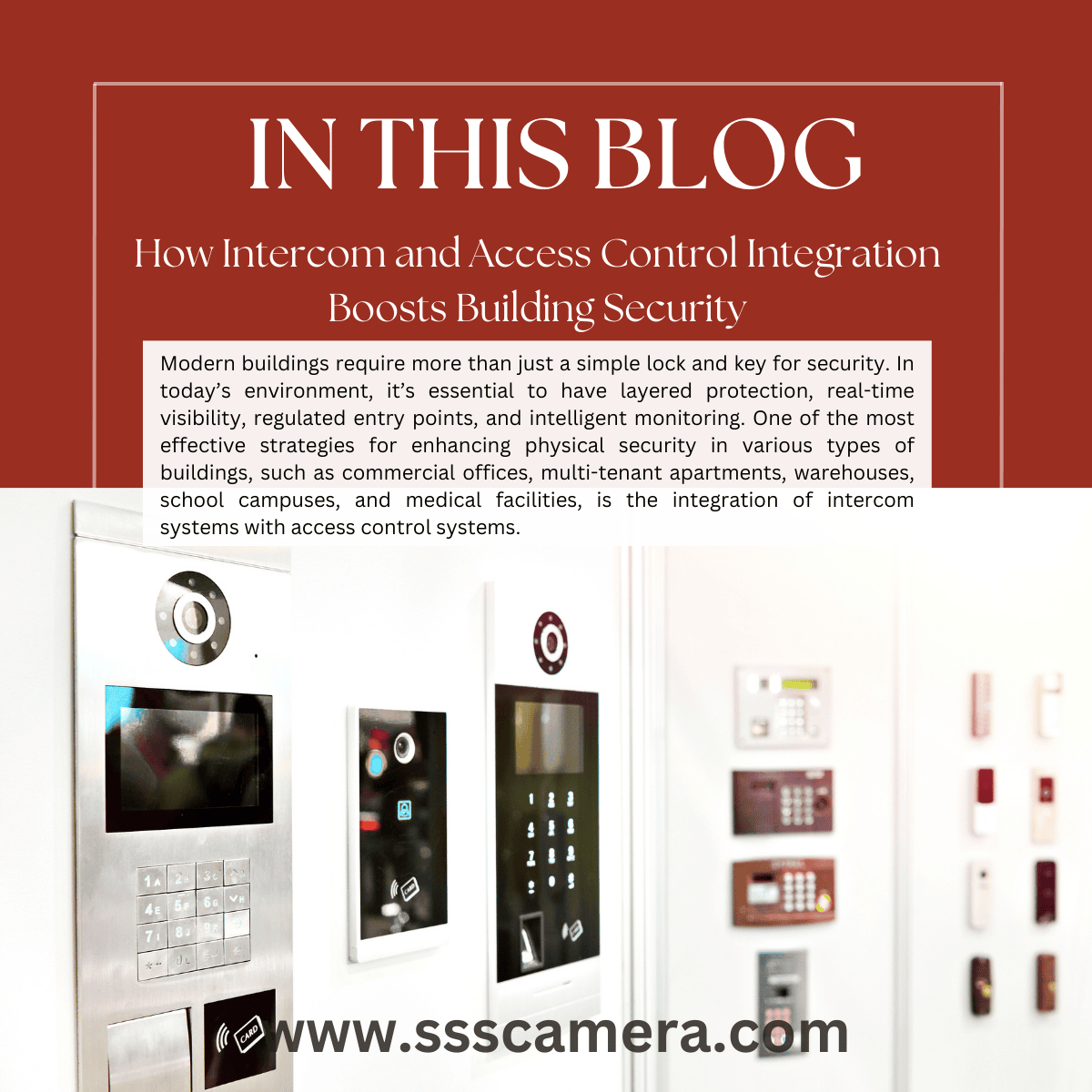
- Access control systems
- Environmental sensors (flood, smoke, and fire)
- Mobile apps and cloud dashboards
Security teams can obtain a comprehensive picture of an issue as it develops when these systems cooperate.
How Integration Increases the Accuracy of Threat Detection
Multiple Layers of Verification
False alarms continue to be a significant security concern. Industry association studies have revealed that a significant portion of alarm activations are not connected to actual dangers, resulting in resource waste and a decline in confidence in alarm notifications.
In order to solve this issue, intelligent alarm systems validate events using a variety of inputs. For instance:
- When a motion detector is triggered, the system looks for cameras in the vicinity.
- Unauthorized entry is confirmed by access control data when a door sensor is activated.
- When a perimeter alarm happens, analytics evaluate the direction and behavior of movement.
This layered verification guarantees that alarms are meaningful and significantly increases accuracy.
Video surveillance and intelligent alarms: a revolutionary combination
Improved Video Analytics
Protection is greatly increased when alarm systems are combined with modern video surveillance. Video analytics with intelligence can identify:
- The presence of humans as opposed to animals or objects
- Hanging around or acting suspiciously
- Access to prohibited areas or line crossings
- Odd patterns of movement
- The presence and direction of vehicles
This layered verification guarantees that alarms are meaningful and significantly increases accuracy.
According to industry data, companies that use AI-powered video analytics see a significant decrease in security incidents as a result of earlier detection and quicker intervention.
Security teams receive real-time, event-based video proof when an alarm is triggered, eliminating the need to watch hours of tape after an incident.
Faster Response Through Automation
Real-Time Decision Making
When a threat is verified, integrated intelligent alarm systems are made to react right away. Some examples of automated responses are:
- Instantaneously notifying property owners or security staff
- Turning on voice alerts or sirens
- Locking or unlocking particular points of access
- Activating floodlights or lighting
- Giving the monitoring centers’ live camera feeds priority
Faster response times are directly associated with less property damage and a lower chance of escalation during security events, according to data from the security sector.
Automation guarantees consistent answers at crucial times and removes delays brought on by human participation.
Integration with the Cloud and Remote Monitoring
Security Beyond Physical Boundaries
Intelligent alarm systems that are cloud-based enable customers to remotely monitor and control security. This is particularly crucial for homeowners who travel frequently or companies with several sites.
Through cloud integration, customers can:
- Get warnings in real time via smartphones
- Watch recorded or live video footage
- Remotely arm or disable alarm systems
- Get access to past event logs
- Control user access privileges and permissions
According to market research, the growing need for flexibility and remote accessibility is driving significant growth in cloud-based surveillance and alarm solutions.
Data-Driven Understanding to Improve Security Planning
Learning From Past Events
Intelligent alarm systems learn instead of just reacting. Through historical data analysis, these systems assist in determining:
- High-risk locations and times
- Recurring patterns of incursion
- Ineffective security zones
- Possibilities for camera positioning optimization
Security measures may be continuously improved thanks to this data-driven approach. Systems become more precise, effective, and adapted to the particular environment they safeguard throughout time.
Integration With Access Control Systems
Preventing Unauthorized Entry
Security moves from detection to prevention when alarm systems are integrated with access control. If someone tries to get unauthorized access:
- Doors may lock on their own.
- It is possible to set off alerts before arrival.
- It is possible to prioritize video feeds for verification.
- Credentials can be immediately suspended.
According to studies, in commercial and industrial settings, integrated access control and alarm systems greatly lower the number of instances of unwanted entrance.
Integration of Safety and Environmental Monitoring
Intrusion detection is not the only use for intelligent alarm systems.
Safety is improved through integration with environmental sensors by identifying the following:
- Smoke and fire
- Leaks of gas
- Water damage or flooding
- Abnormalities in temperature
In data centers, manufacturing facilities, healthcare settings, and residential homes, where early discovery might avert catastrophic harm, this is particularly helpful.
Future-Proof Security and Scalability
Scalability is one of the main benefits of intelligent alarm systems. Integrated platforms enable businesses to:
- Easily add additional cameras or sensors
- Improve analytics without swapping out hardware
- As operations expand, increase security coverage.
- Include cutting-edge technologies like thermal imaging and biometrics.
Scalable systems guarantee that your security architecture stays current and functional as threats change.
Applications of Integrated Intelligent Alarms in the Real World
Retail Security
Problems in retail settings include theft, vandalism, and break-ins that occur after hours. Retailers benefit from integrated alarm and surveillance systems:
- Recognize questionable conduct before theft happens.
- Cut down on false alarms during regular business hours.
- Enhance methods for preventing losses
According to research, retailers who use integrated security systems report significant improvements in incident response times and shrinkage.
Office and Commercial Structures
Intelligent alarms help office buildings by regulating access, keeping an eye on occupancy, and safeguarding property. Integration guarantees:
- Safe access both during and after business hours
- Automated lockdowns in case of an emergency
- Precise audit trails to ensure compliance
Residential Security
For peace of mind, homeowners are depending more and more on clever alarm systems. Systems that are integrated provide:
- Mobile devices with real-time alerts
- Verification of alarms via video
- Integration of smart home automation
- Better defense against emergencies and burglaries
Benefits of Intelligent Alarm Systems Content
From a digital standpoint, high-intent search terms like these correspond with intelligent alarm systems:
- Intelligent alarm systems
- Integrated monitoring and security
- Smart home protection
- Integration of commercial alarm systems
- Security alarms with AI capabilities
Publishing instructive, scientifically supported content on these subjects enhances organic visibility and establishes security providers as reliable authorities.
Frequently Asked Questions
Q1. What is intelligent alarm systems’ primary benefit?
The primary benefit is precise danger identification via integration, which lowers false alarms and speeds up reaction times.
Q2. What distinguishes intelligent alarms from conventional alarms?
While intelligent alarms examine several data points and verify threats prior to reacting, traditional alarms rely on a single trigger.
Q3. Are existing cameras compatible with intelligent alarm systems?
Yes, a lot of clever systems are made to work with the surveillance infrastructure and IP cameras that are already in place.
Q4. Can small firms use intelligent alarm systems?
Of course. Businesses of all sizes can benefit from intelligent security thanks to scalable and cloud-based solutions.
Q5. Do these systems need to be online all the time?
Advanced capabilities like cloud analytics and remote monitoring require internet access, while fundamental tasks may function offline.
Q6. How safe is alarm data stored in the cloud?
Reputable providers safeguard cloud-based data via compliance requirements, encryption, and authentication.
Q7. Is it possible to customize intelligent alarms?
Yes, users can alter system behavior, access rights, automation rules, and warnings to suit their own needs.
Conclusion: Integrated and Intelligent Security is the Future
The perception of security has fundamentally changed with the introduction of intelligent alarm systems. These systems offer proactive, reliable, and scalable protection by integrating alarms with cloud platforms, analytics, surveillance, and access control.
Integration has become essential due to the ever-evolving nature of security threats. Intelligent alarm systems provide the insight, speed, and accuracy required to address today’s security challenges, whether protecting a home, business, or large facility.