Top Security Technology Trends in Video Surveillance and Access Control in 2026
Installing cameras and securing doors are no longer the only aspects of modern security. Today’s businesses need smarter and more integrated security systems to address evolving threats, operational challenges, and regulatory requirements. The demand for real-time visibility across multiple locations, along with advancements in cloud computing and artificial intelligence, has significantly driven the development of video surveillance and access control systems.
Organizations are replacing outdated systems with smart, scalable solutions in various environments, including offices, schools, healthcare facilities, retail stores, and warehouses. This article explores the key technological advancements in security that are impacting access control and video surveillance. It explains the importance of these developments and provides guidance on how companies can effectively plan for improvements.
The Evolution of Video Surveillance and Access Control
CCTV systems in the past were reactive. Video was captured locally, saved on DVRs, and examined only after an incident took place. Physical keys or simple keycards were used for access control, frequently with little tracking or reporting.
The systems of today are data-driven and proactive. In real time, cameras are able to identify questionable activity. Credentials can be instantaneously granted or revoked remotely by access control systems. Together, analytics, video, and access logs may give a comprehensive picture of what’s going on throughout a facility.
Three main factors are driving this change:
- A rise in theft and security risks
- The need for operational effectiveness
- Developments in AI and cloud computing
Security Surveillance System has personally witnessed this shift, assisting companies in switching from antiquated systems to contemporary, integrated security solutions that are more efficient and manageable.
1. AI-Powered Video Analytics Becomes Standard
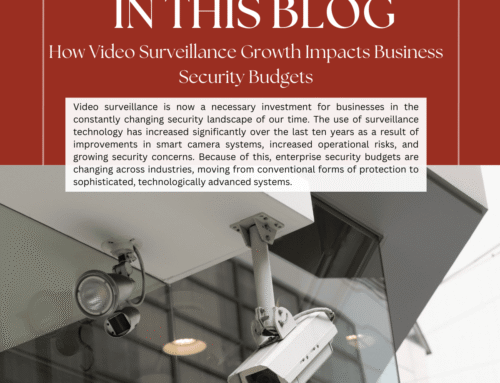
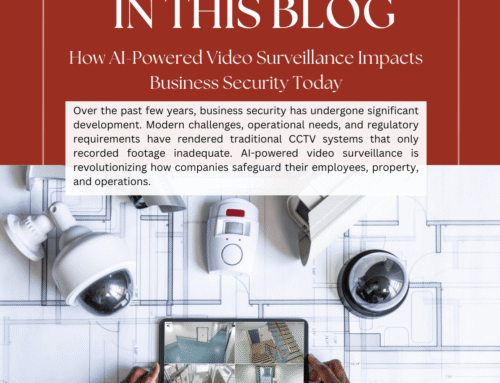
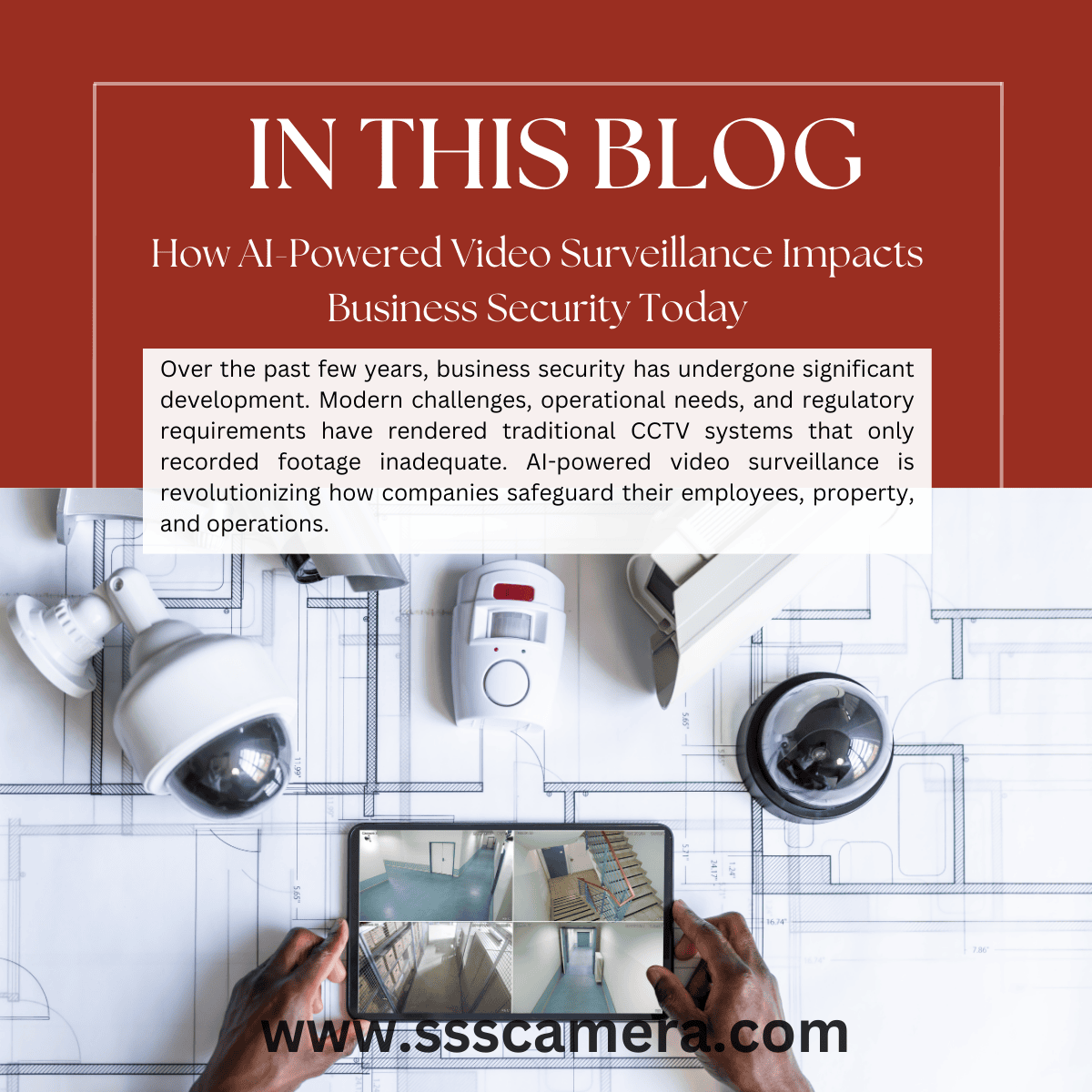
One of the biggest breakthroughs in video surveillance is artificial intelligence. AI-powered cameras analyze video in real time rather than just capturing it.
Modern analytics can:
- Recognize things, cars, and people
- Recognize odd patterns of conduct
- Cut down on erroneous motion alarms
- Use metadata to enable quick video searches.
This eliminates the need for security professionals to manually go through hours of video in order to locate a single incident. AI separates the important information from the background noise.
This translates into improved loss prevention, lower personnel expenses, and quicker incident response for organizations. Analytics are used by retailers to find trends in theft. They are used in warehouses to keep an eye on restricted areas. They are used by offices to confirm entry after hours.
2. Edge AI: Faster Decisions, Smarter Cameras
Instead of transferring all data to the cloud, edge computing enables AI computation to take place directly on the camera or adjacent gear. For companies with bandwidth constraints or privacy concerns, this trend is becoming more and more crucial.
Among the advantages of edge-based video analytics are:
- Minimal latency and faster alerts
- Lower network and cloud storage expenses
- Enhanced privacy of data
- Maintaining operations in the event of an internet outage
Nowadays, a lot of companies use hybrid architectures instead of deciding between on-premises and cloud solutions. While cloud systems handle long-term storage, analytics, and reporting, Edge AI takes care of real-time detection.
Security Surveillance System creates camera installations with edge capabilities that don’t overload networks.
3. Cloud-Based Video Surveillance
From being a “nice to have,” cloud video surveillance is now widely used. Cloud-managed systems are becoming more and more popular among businesses since they simplify management and lessen reliance on hardware.
Among the main benefits are:
- Access to the system remotely from anywhere
- Software updates that happen automatically
- Simpler scalability across several locations
- Centralized reporting and administration
Additionally, cloud systems enhance catastrophe recovery. Video is securely stored elsewhere, even if local hardware is stolen or damaged.
Cloud video monitoring dramatically lowers operational complexity for expanding companies or multi-location enterprises.
4. Cloud and Mobile Platforms Take Over Access Control
Key fobs and plastic cards are no longer the only methods of access control. Cloud-based access control and mobile credentials are emerging as the new norm.
Administrators can do the following with contemporary access control systems:
- Instantaneously grant or deny access
- For secure credentials, use smartphones.
- Monitor real-time access events
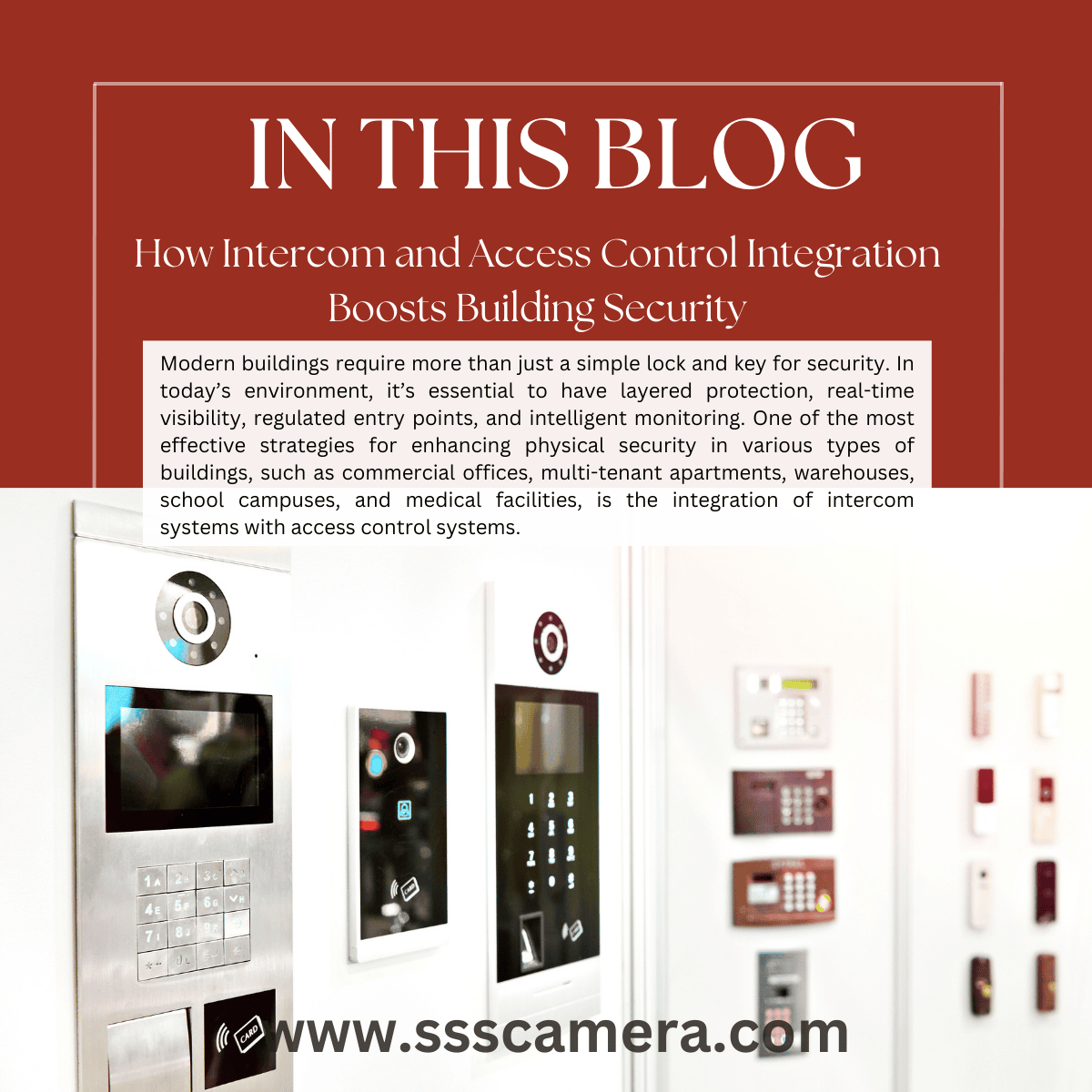
- Combine video footage and access logs.
Businesses with numerous locations or regular personnel transfers will find this extremely helpful. Access permissions can be centrally maintained in place of collecting cards or rekeying doors.
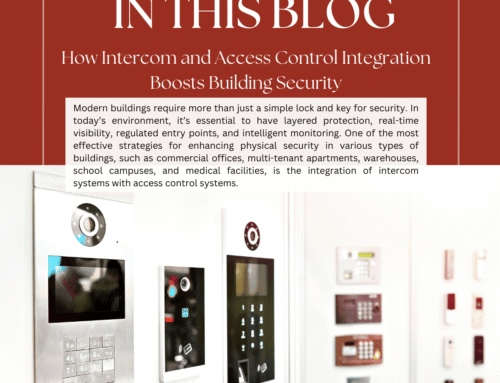
Security personnel may immediately verify each access occurrence visually when access control and video surveillance are combined, which enhances investigations and compliance reporting.
5. Cybersecurity Takes Center Stage in Physical Security
Cyber risks threaten security systems as they grow more interconnected. These days, an organization’s IT infrastructure includes cameras, recorders, and access control servers.
Risks to cybersecurity include:
- Unauthorized camera feed access
- Credentials that were compromised
- Misconfiguration-related data breaches
- Making use of out-of-date firmware
Video surveillance systems need to be handled by businesses just like any other networked system. Network segmentation, strong passwords, encrypted communication, and frequent updates are crucial.
Every deployment at Security Surveillance System incorporates cybersecurity best practices, from safe cloud setups to device hardening.
6. Integrated Security Platforms Deliver More Value
Security system convergence is one of the industry’s biggest trends. Businesses are implementing unified platforms in place of handling cameras, access control, and intercoms independently.
Systems that are integrated enable:
- Access event video verification
- Quicker investigations of incidents
- Compliance logs and unified reporting
- Enhanced awareness of the situation
For instance, the system can automatically retrieve the pertinent video clip in the event of an unwanted door access attempt. This minimizes guesswork and saves time.
By enabling the addition of new technologies without the need to replace current infrastructure, integration also helps firms grow in the future.
7. Accuracy is Improved by Higher Resolution and Specialized Cameras
Hardware for cameras keeps becoming better. Wide dynamic range sensors, infrared cameras, low-light imaging, and 4K resolution are now commonly accessible.
These developments lead to:
- Improved facial and vehicle recognition
- Improved performance in dimly lit areas
- A decrease in false alarms
- Better detection of perimeters
It’s crucial to select the appropriate camera for each setting. Warehouses, office interiors, parking lots, and entrances all have various needs.
Purpose-driven camera selection is the main emphasis of the Security Surveillance System in order to guarantee that performance corresponds with actual conditions.
8. More Intelligent Retention and Storage Techniques
Data volume rises with camera resolution. In order to balance cost, compliance, and performance, businesses are implementing more intelligent storage strategies.
Typical methods include:
- Analytics-based, event-based recording
- Tiered storage (local + cloud)
- Particular retention guidelines for each type of camera
Organizations comply with regulations while keeping the most important video instead of keeping it all forever.
9. Using Video Surveillance as a Tool for Business Intelligence
Video data is increasingly utilized to enhance operations in addition to security. To make better decisions, businesses examine foot traffic, line lengths, and space use.
Examples:
- Retailers are making shop design more efficient
- Facilities that control occupancy limitations
- Companies enhancing client flow
By using video surveillance in two ways, ROI is increased, and security systems are positioned as strategic assets rather than overhead costs.
10. Future-Ready Design and Scalability
The field of security technology is rapidly developing. Today’s established systems ought to be adaptable enough to accommodate changes tomorrow.
Future-ready systems give priority to:
- Compatibility with APIs and open standards
- Modular hardware design
- Cloud scalability
- Functionality powered by software
Security surveillance systems help organizations avoid expensive rip-and-replace updates by designing systems with endurance in mind.
Frequently Asked Questions
Q1. Do AI security cameras justify their cost?
Absolutely. AI cameras significantly reduce false alarms, enhance response times, and lower personnel costs compared to manual monitoring.
Q2. Is it safe to use cloud video surveillance?
Yes, cloud systems are highly secure and often safer than unmanaged local storage, especially when equipped with encryption and access controls.
Q3. Can analytics be added to existing cameras?
Yes, in many cases. While selective upgrades can improve performance, analytics software or gateways can also extend the lifespan of current cameras.
Q4. What is the recommended duration for storing video footage?
The retention period depends on operational requirements and industry regulations. Typically, most organizations retain footage for between 14 and 90 days.
Q5. What is the most common mistake businesses make with security systems?
The most common mistake is focusing solely on hardware costs instead of considering long-term scalability, cybersecurity, and system design.
Concluding Remarks:
Technology for access control and video monitoring has entered a new phase. Today, cloud platforms, AI analytics, and interconnected systems have become standard for contemporary security, moving beyond the realm of futuristic concepts.
Companies that make strategic investments in these technologies benefit from improved safety, increased operational efficiency, and long-term cost savings. In contrast, those who delay may find themselves lagging, stuck with less efficient and more difficult-to-manage systems.
Partnering with an experienced provider like Security Surveillance System ensures that your technological choices are sensible, secure, and sustainable for businesses ready to upgrade or implement a new system.