Two Decades of Security Evolution: Key Business Upgrades for 2026
Colorado’s security landscape has changed significantly over the last 20 years. What started off as traditional CCTV surveillance has developed into intelligent, cloud-based, AI-powered ecosystems with proactive risk reduction capabilities.
Security demands changed in parallel with the growth of Colorado’s commercial infrastructure, from the corporate corridors in Denver to the industrial expansions in Colorado Springs and the expanding innovation sector in Fort Collins.
Security Surveillance System has been operating in this dynamic environment for 20 years, adjusting to both growing operational demands and technology advancements. It is appropriate to look at how surveillance systems have changed as 2026 draws near and what businesses need to update to stay safe and competitive.
2006–2010: Reactive Security Frameworks and Analog CCTV
The majority of Colorado’s businesses used analog Closed-Circuit Television (CCTV) systems backed by Digital Video Recorders (DVRs) in the mid-2000s.
Typical features of the system included:
- Coaxial cabling infrastructure
- Video quality in standard definition
- On-site storage for recordings
- Retrieving footage by hand
- Limited accessibility from a distance
These systems were mainly used as forensic instruments and deterrents. Instead of being used to stop incidents, surveillance was reactionary, reviewing recordings after they happened.
These systems satisfied minimum security criteria for retail stores in Denver, warehouses in Commerce City, and hotel sites in Colorado Springs. Scalability, integration, and proactive detection, however, were lacking.
2010–2015: The Shift to Network Video Recorders and IP Cameras
A significant technological change occurred in the early 2010s with the introduction of Network Video Recorders (NVRs) and Internet Protocol (IP) cameras.
This change made it possible for:
- HD video with resolutions of 720p and 1080p
- Transmission via networks
- Better handling of storage
- Access to a remote desktop
- Greater system scalability
IP-based systems were a structural upgrade over older analog frameworks for rising industrial operations in Fort Collins and commercial areas in Lakewood and Boulder.
Infrastructure for surveillance grew more adaptable and prepared for the future. However, despite a notable improvement in image quality, the system’s intelligence remained constrained. The majority of monitoring still relied on human supervision.
2016–2020: Integrated Security Architecture and Artificial Intelligence
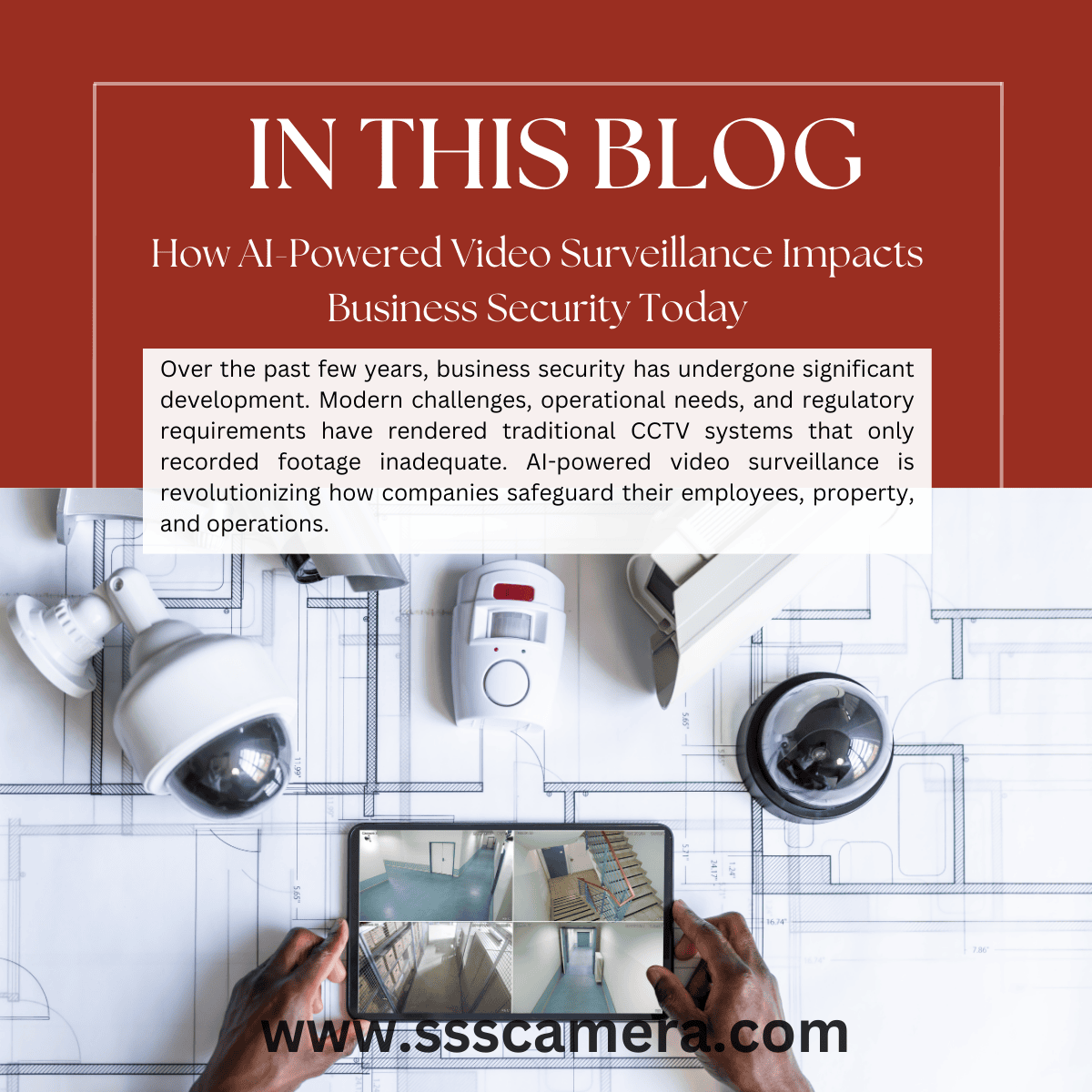
Artificial intelligence brought about a paradigm change in surveillance technology between 2016 and 2020.
AI-powered systems started providing:
- Classification of intelligent motion
- Vehicle and human detection
- Alerts for perimeter intrusions
- Lower rates of false alarms
- Automated marking of events
The shift from passive recording to proactive monitoring was signaled by this evolution.
Furthermore, surveillance systems started to integrate with:
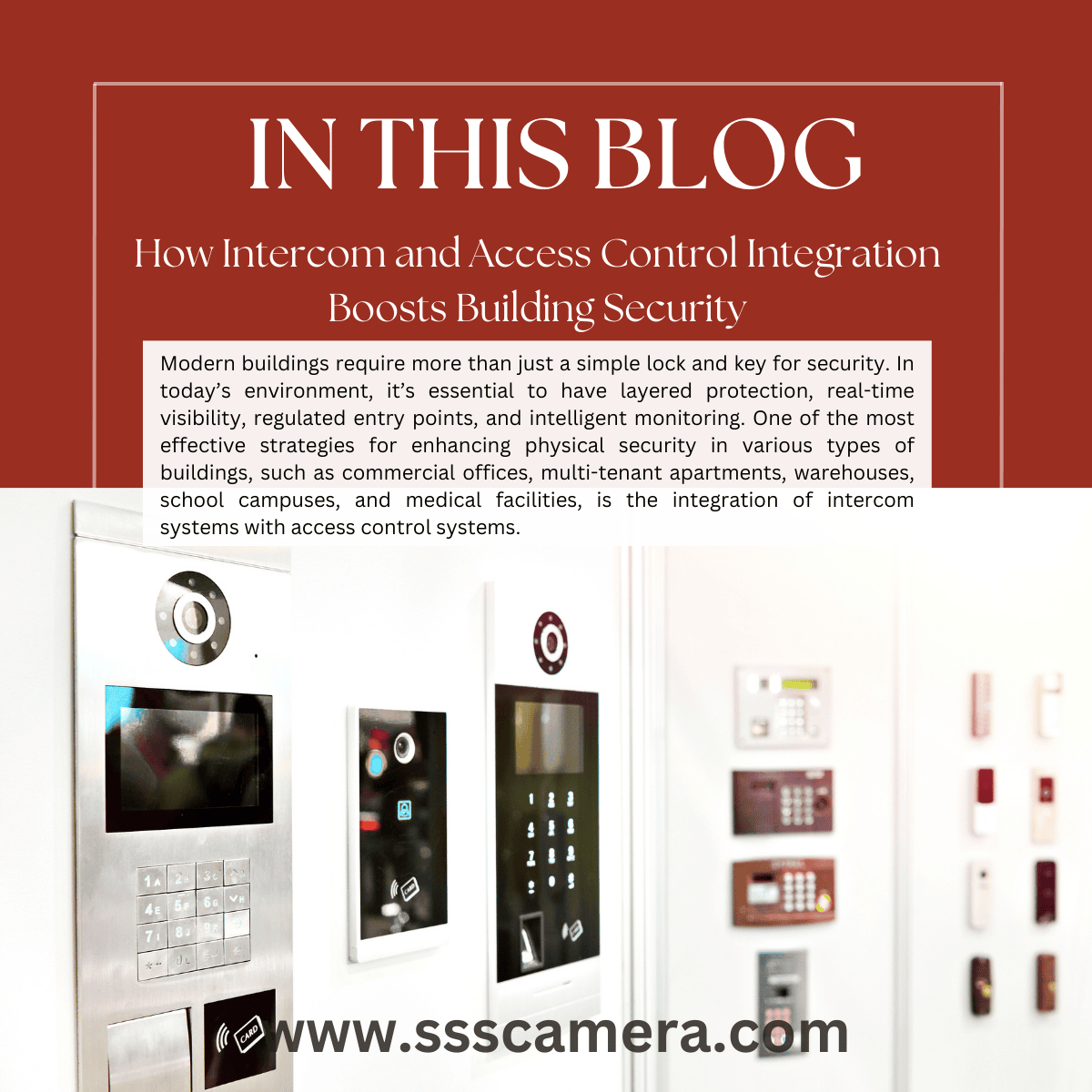
- Commercial access control platforms
- Video intercom systems
- Credential management and smart locks
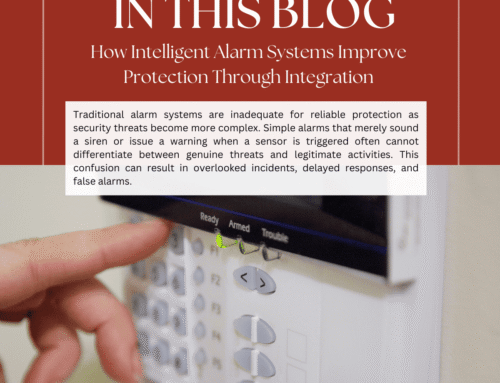
- Intrusion alarm systems
- Sensor-based and environmental triggers
Security architecture became cohesive, rather than divided. Video footage could be cross-referenced with access occurrences. Digital entry logs were made auditable. Companies now have better operational control and monitoring.
In order to provide fully integrated security ecosystems that incorporated video surveillance, access control systems, and cloud-enabled management platforms throughout Colorado’s main business markets, Security Surveillance System extended its reach beyond standalone surveillance installation during this time.
2020–2025: Convergence of Cybersecurity and Cloud-Based Surveillance
All industries saw an acceleration of digital change in the early 2020s. Security priorities have been redefined by remote work practices, distant company processes, and an increase in cyber threats.
Cloud-managed security systems emerged as the dominant norm, providing:
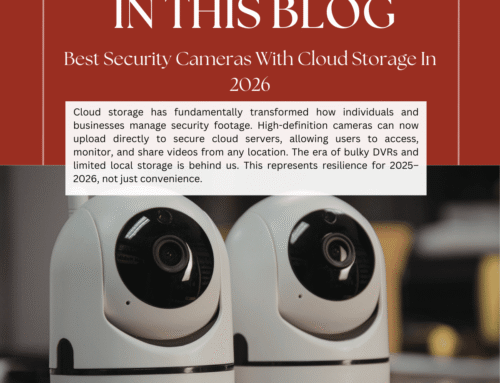
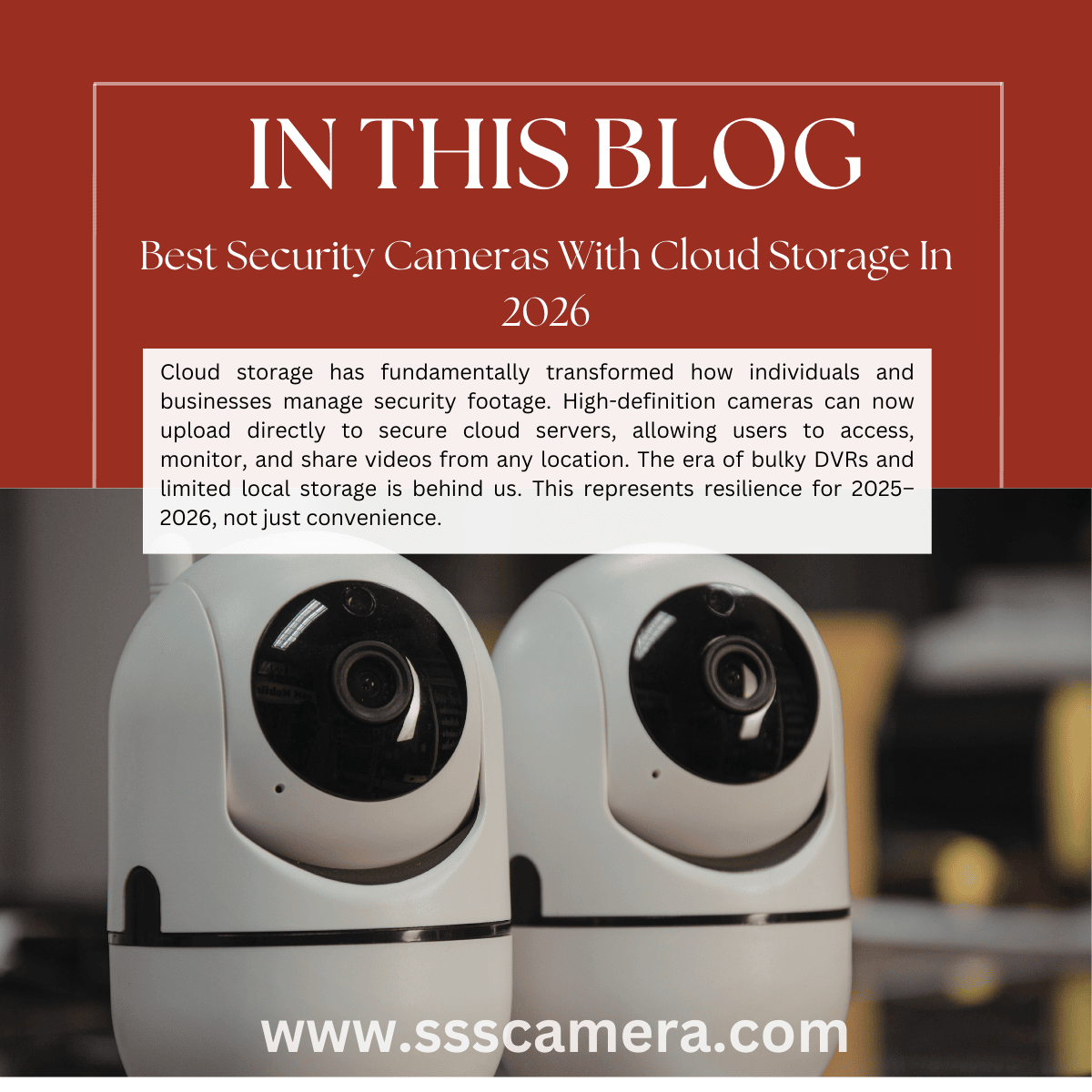
- Encrypted video storage off-site
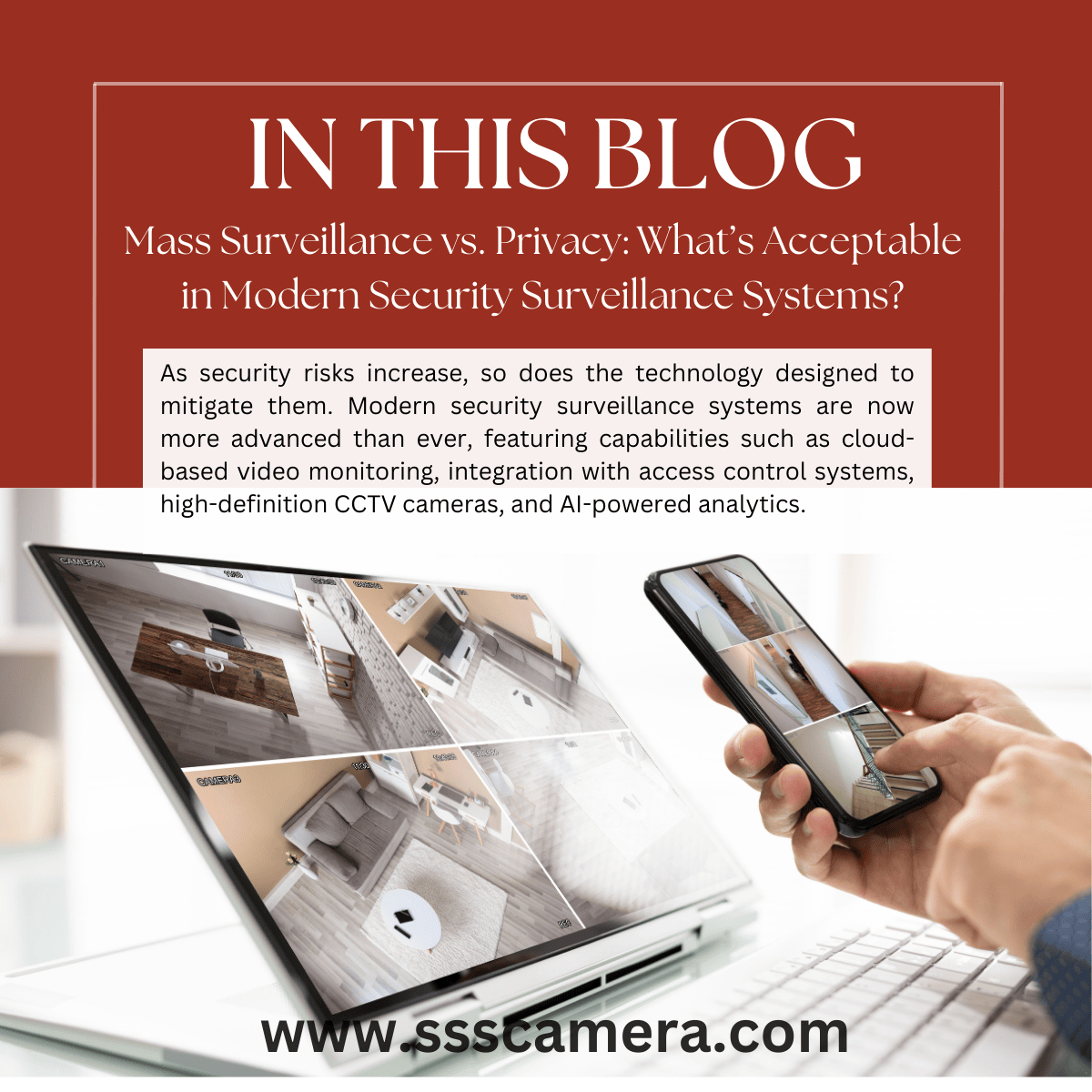
- Centralized supervision across several locations
- Secure mobile platforms for remote monitoring
- Firmware and software updates that happen automatically
- Simplified exchange of evidence
Cloud architecture decreased reliance on physical storage hardware and enhanced operational visibility for multi-location businesses in Denver and Colorado Springs.
However, new vulnerabilities were brought about by connectivity. Cybersecurity became a crucial part of physical security planning when surveillance systems were connected with IT infrastructure.
Modern deployments now require:
- Encryption from beginning to end
- Protocols for secure authentication
- Regular firmware updates
- Network segmentation
- Documentation related to compliance
These days, security is more than just a physical discipline. These days, it directly affects digital risk management.
Strategic Upgrades Colorado Businesses Must Prioritize in 2026
Modernization is no longer optional as businesses assess how prepared they are for the upcoming ten years. The upgrades listed below are essential for 2026.
1. Replacing outdated CCTV systems based on DVRs
The scalability, analytics capability, and cybersecurity resilience of analog systems and early-generation DVR installations are limited.
Upgrades to hybrid cloud architecture or NVR-equipped 4K IP surveillance systems offer:
- Better clarity of the image
- Improved protection from liability
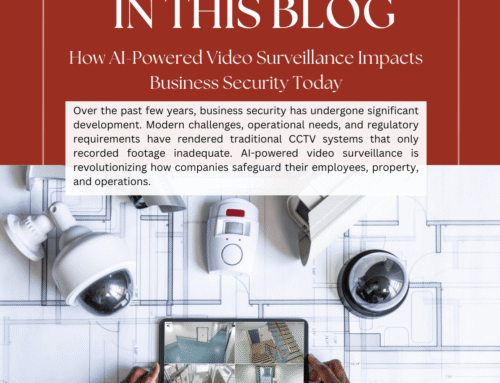
- Analytics powered by AI
- Increased adaptability in storage
- Administrative oversight from a distance
Improved resolution and analytics are especially useful for companies that operate in busy commercial areas in Denver or warehouses in Northern Colorado.
2. Complete Integration of Video Surveillance and Access Control
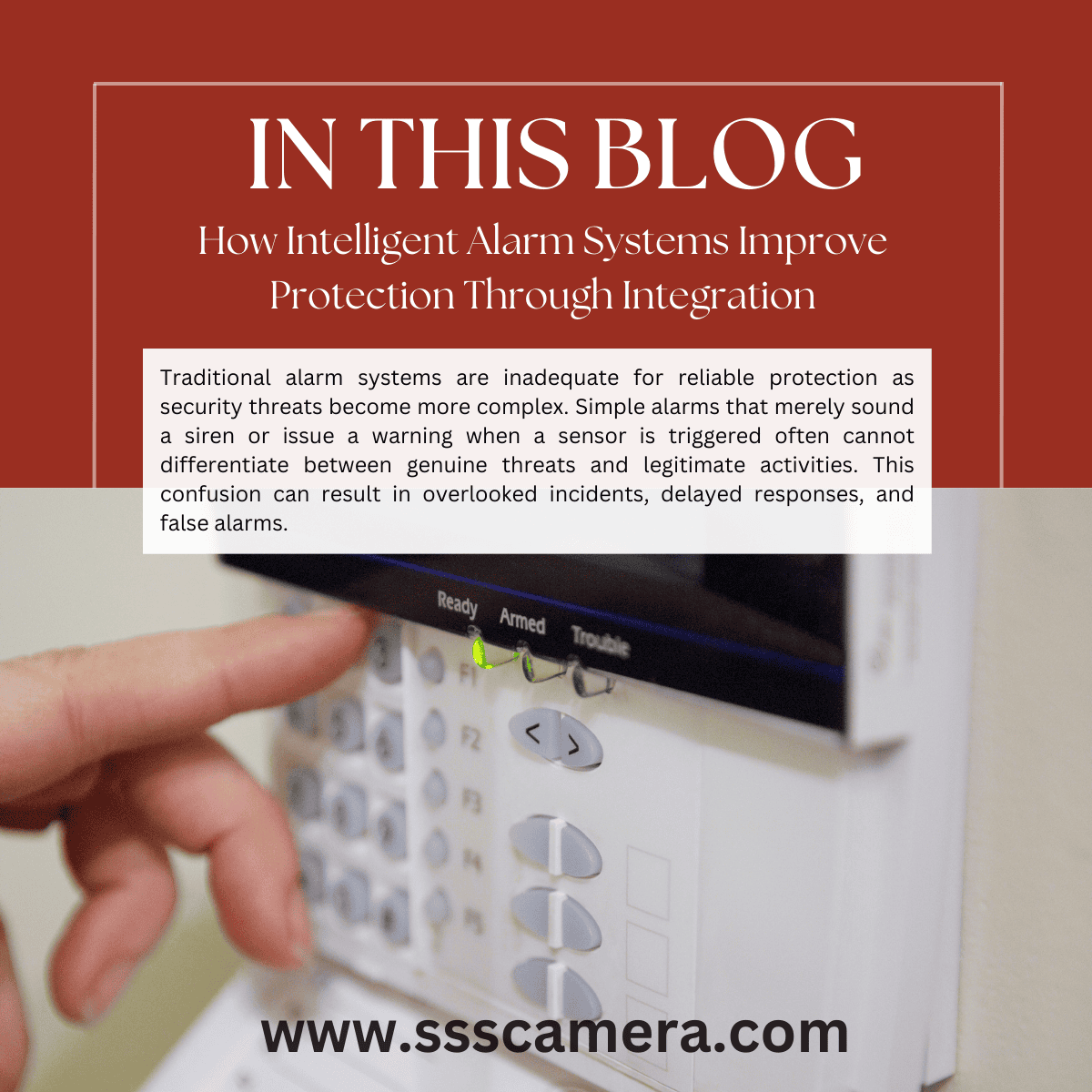
Deployments of standalone cameras are becoming less and less adequate.
Integration between the following is necessary for a modern security strategy:
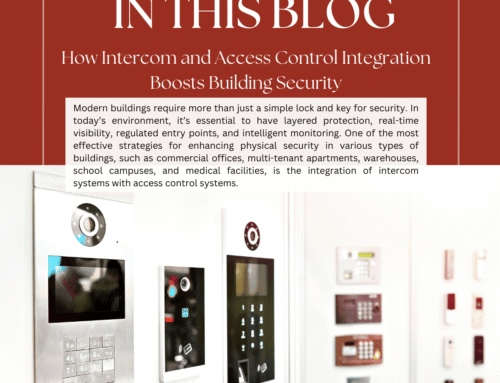
- Access control systems
- Credential management platforms
- Intercom entry solutions
- Surveillance cameras
- Alarm systems
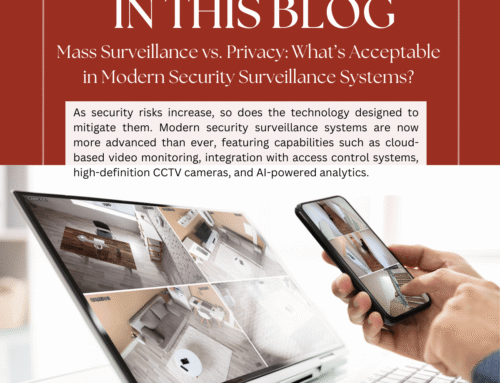
Organizations can increase audit trails and regulatory compliance by correlating access events with visual verification through such connectivity.
Unified security design greatly lowers the dangers of unwanted entry for industrial assets in Colorado Springs and office buildings in Boulder.
3. AI-Powered Video Analytics Implementation
Artificial intelligence has evolved from a cutting-edge technology to a practical requirement.
Now supported by advanced analytics are:
- The identification of line crossings
- Analysis of loitering
- Monitoring the perimeter
- Recognition of license plates
- Alerts for behavioral patterns
AI lowers false alarms and improves reaction time for Colorado’s retail spaces, corporate campuses, and warehouse operations.
4. Hybrid cloud and edge computing architecture adoption
Hybrid deployment is the way of the future for surveillance.
While cloud platforms offer the following, edge computing processes video locally for quick decision-making:
- Centralized storage
- Management of many sites
- Backup and redundancy
- Long-term data retention
This paradigm maximizes durability, speed, and bandwidth efficiency.
5. Compliance Assurance and Cybersecurity Alignment
These days, enterprise IT infrastructure must include surveillance systems.
Organizations ought to put into practice:
- Transmission techniques that are encrypted
- Authentication using many factors
- Routine vulnerability assessments
- Planned maintenance examinations
- Procedures for documented compliance
Proactive auditing reduces exposure to both physical and digital risks and guarantees operational continuity.
Looking Ahead: The Next Stage of Innovation in Surveillance
Over the next ten years, additional integration and refinement will be introduced, such as:
- Predictive AI analytics that can spot risk trends before problems get worse
- Mobile-first and biometric login credentials
- More thorough connection with the infrastructure of smart buildings
- Higher criteria for cybersecurity governance
Instead of being a reactive expense, security will increasingly serve as a strategic corporate advantage.
Frequently Asked Questions
Q1. Which security system is the best for Colorado businesses in 2026?
4K IP cameras, AI analytics, integrated access control, cloud storage, and mobile monitoring features are all included in the top commercial security system for 2026. The best efficiency and dependability are provided by hybrid cloud-edge systems.
Q2. Should my current CCTV system be upgraded?
An upgrade is highly advised if your system is analog, does not have AI detection, or cannot interface with access control. Modern systems enhance operational control and lower liability.
Q3. How much does a commercial security system cost in Colorado?
Size, number of cameras, access control points, and cloud storage requirements all affect pricing. For precise estimates, businesses can ask for a tailored security system consultation.
Q4. What advantages can cloud-based surveillance offer?
Remote access, safe storage, automated upgrades, simpler multi-location management, and quicker video sharing are all offered by cloud systems.
Q5. Can intercom and access control systems be integrated with surveillance systems?
Yes. For total control, modern systems combine access control, intercom entry, and video surveillance into a single platform.
Q6. How frequently should security systems be kept up to date?
To maintain optimal performance, yearly inspections are advised, along with frequent firmware updates and security checks.
A 20-Year Perspective
The shift from analog CCTV in 2006 to cloud-managed, AI-driven ecosystems in 2026 shows more than just advancements in technology. It signifies a philosophical change from hardware to intelligent infrastructure, from isolation to integration, and from monitoring to prevention.
Colorado’s security frameworks must change as the state’s commercial environment does.
Twenty years of innovation and adaptability have left businesses with a simple basic question:
Is your security infrastructure aligned with the operational realities of 2026?
Strategic modernization today defines resilience tomorrow.