How Intercom and Access Control Integration Boosts Building Security
Modern buildings require more than just a simple lock and key for security. In today’s environment, it’s essential to have layered protection, real-time visibility, regulated entry points, and intelligent monitoring. One of the most effective strategies for enhancing physical security in various types of buildings, such as commercial offices, multi-tenant apartments, warehouses, school campuses, and medical facilities, is the integration of intercom systems with access control systems.
Combining advanced credential management with intercom access control significantly improves operational efficiency, safety, and accountability for companies and property owners utilizing a professional security surveillance system.
The Evolution of Building Security
Mechanical locks, physical keys, on-site security, and simple buzzer systems were the mainstays of traditional security. Although these techniques are still in use, they are not scalable, have centralized oversight, or allow for real-time reporting. Businesses are prioritizing unified security infrastructure, which is driving up demand for cloud-based and integrated access control solutions, according to the Security Industry Association. According to additional research from Allied Market Research, one of the areas of commercial property protection that is expanding the fastest is integrated building security solutions.
Simply said, linked systems produce intelligence, but disconnected systems produce blind spots.
Understanding Access Control Systems
Who is allowed to enter or leave a building or restricted area is controlled by access control systems? Modern physical access control systems use centralized management software and encrypted credentials in place of conventional keys. Property managers can assign user-level permissions, set up scheduled access windows, provide thorough audit trails, and immediately revoke access when needed with these technologies.
These capabilities have been extended by cloud access control technologies, which allow remote management via protected dashboards or cellphones. This enables administrators to control access even while they are not on-site. Biometric access control systems, such as fingerprint or facial recognition readers, provide an additional degree of security in high-security settings like data centers or healthcare institutions.
Modern Intercom Systems
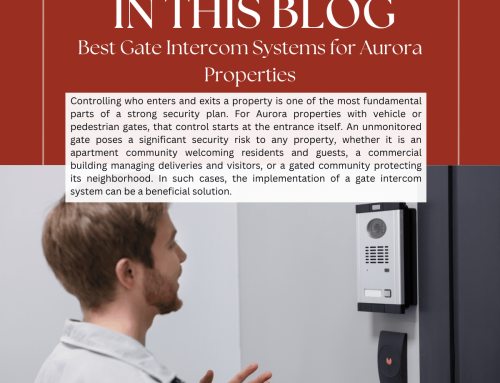
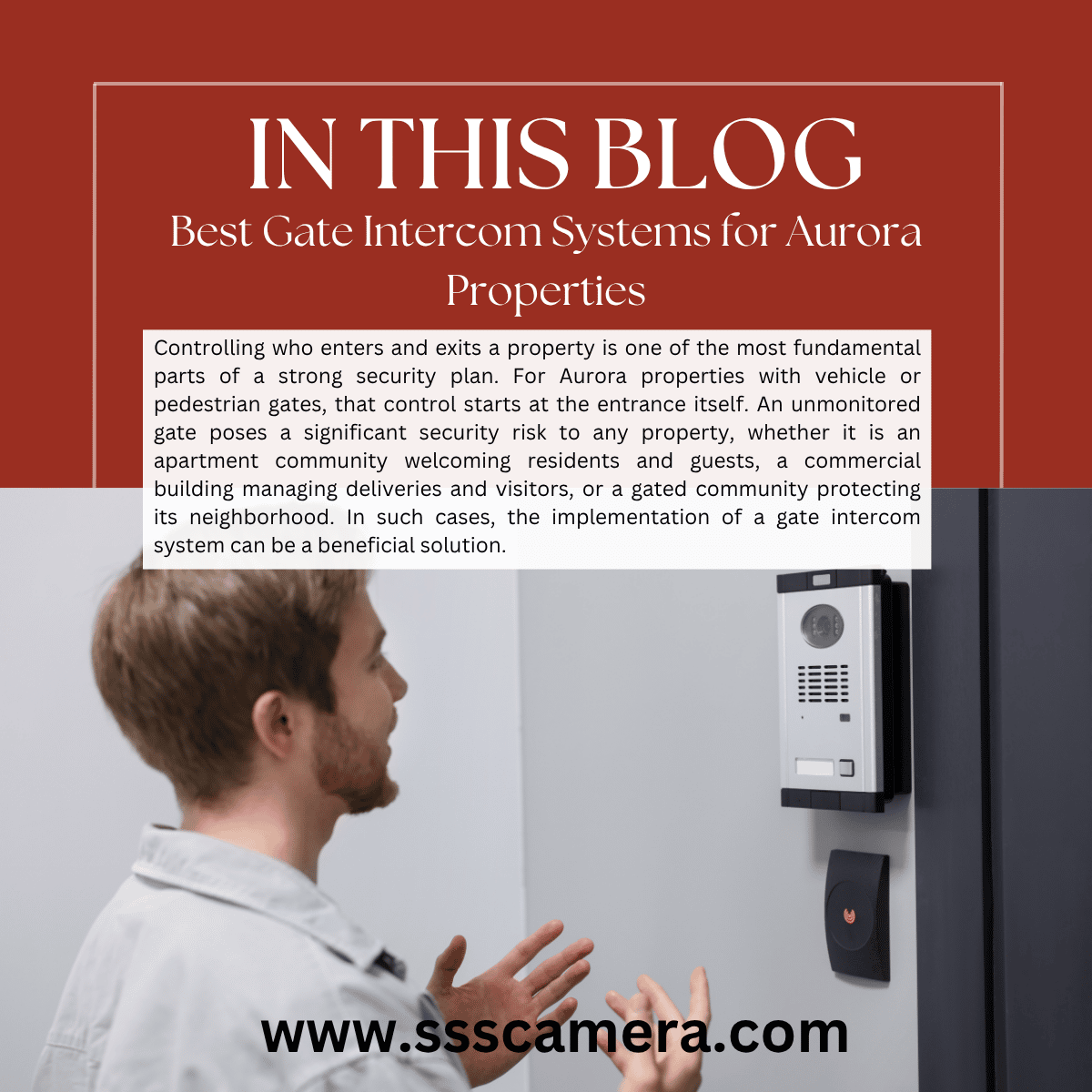
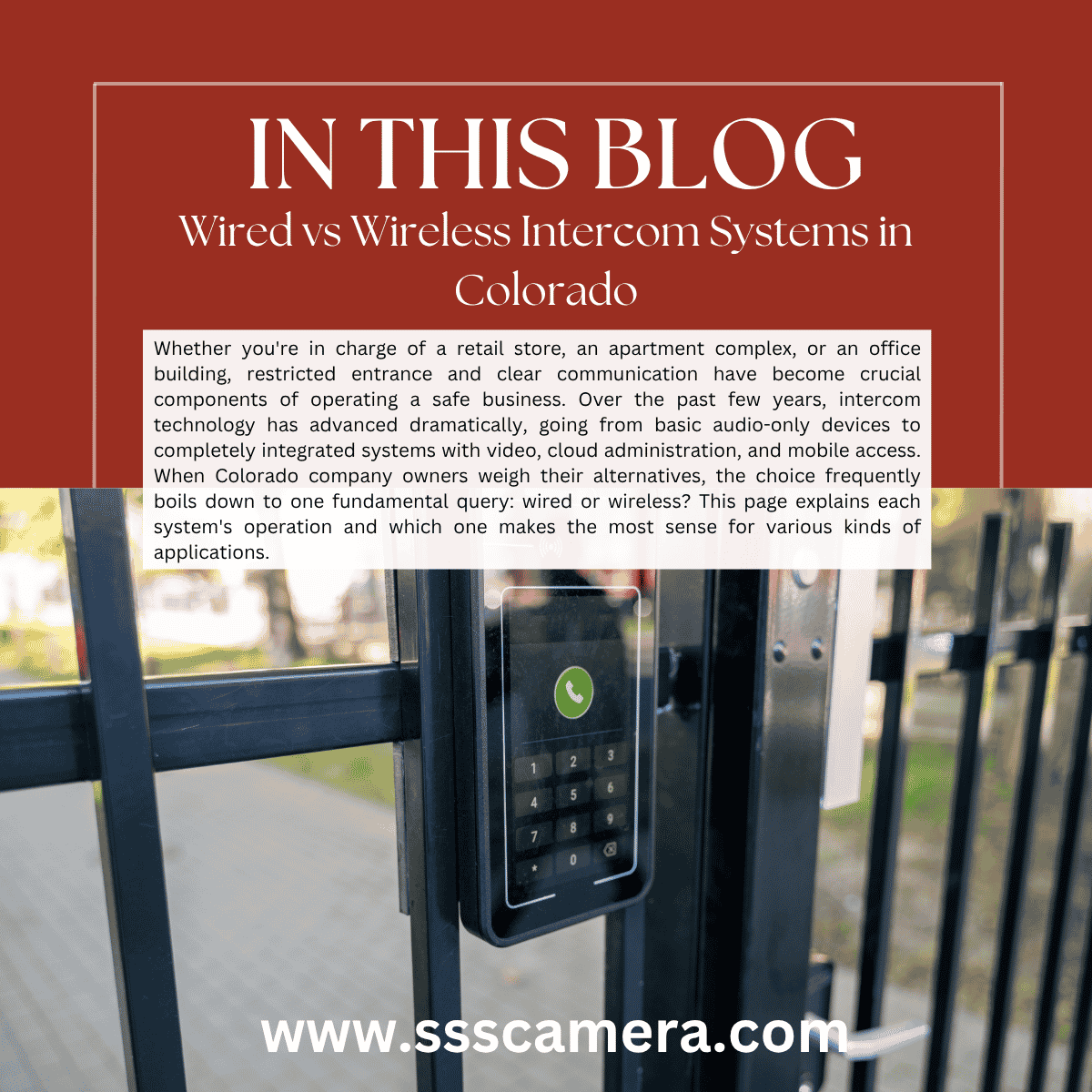
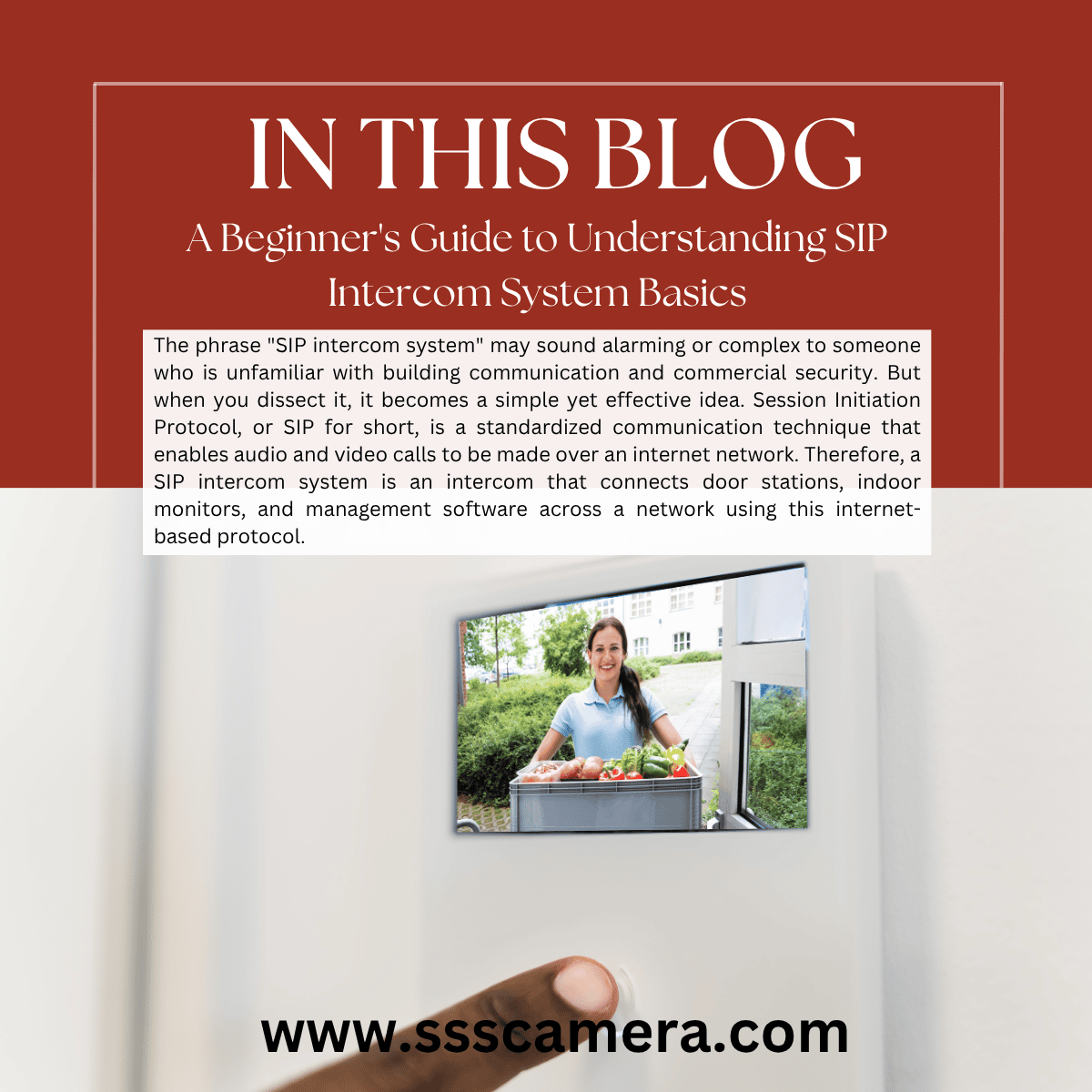
From basic audio-based buzzers, intercom systems have seen substantial development. Modern IP intercom systems offer remote unlocking capabilities, mobile connectivity, and high-definition video communication. Video intercom systems enable tenants in multi-tenant residential buildings to visually verify guests before allowing access. Reception teams can confirm names in commercial buildings without going to the door.
Intercom systems become an element of a complete entry management solution when they integrate with access control platforms, going beyond simple communication.
Why Integration Increases Security
Visitor verification and door access are separate events when intercom and access control systems function independently. By integrating door control, credential management, and communication into a single, synchronized system, integration closes this gap.
For instance, if a visitor uses a video intercom system to make a call, the exchange can be captured on camera and connected straight to a door unlock event. The date, time, and user who granted access are automatically recorded by the system. This removes doubt and establishes accountability.
Security is changed from reactive monitoring to proactive control through integration.
Improved Visitor Validation
Verbal identification is a major component of standalone intercom systems, it can be unreliable. In addition to verifying credentials against centralized databases, integrated solutions enable visual confirmation via HD cameras. Contractors or delivery workers may be granted temporary digital credentials, which may automatically expire after a predetermined amount of time.
This reduces the possibility of things like tailgating, misusing shared PINs, and unapproved entrance attempts.
Real-Time Audit Trails and Accountability
Centralized reporting is one of the most beneficial aspects of integrated security systems. All access attempts are tracked on the same platform, regardless of whether they are granted or rejected. Security teams can immediately examine video footage linked to a particular door event when it is connected to video monitoring.
Unified monitoring platforms improve incident investigations and speed up reaction times, according to studies and industry analysis from companies like IBM. Administrators can quickly find relevant video evidence by filtering by access event rather than going through hours of irrelevant film.
Reduced Unauthorized Access
Unsecured entry points, shared access cards, and misplaced keys are typical weaknesses in conventional systems. By utilizing biometric authentication, automated lock scheduling, and encrypted mobile credentials, integrated access control removes these vulnerabilities. Administrators can instantly remove credentials from a departing employee without having to change the physical locks.
Internal security threats are greatly decreased by this degree of control.
Surveillance Cameras Integration
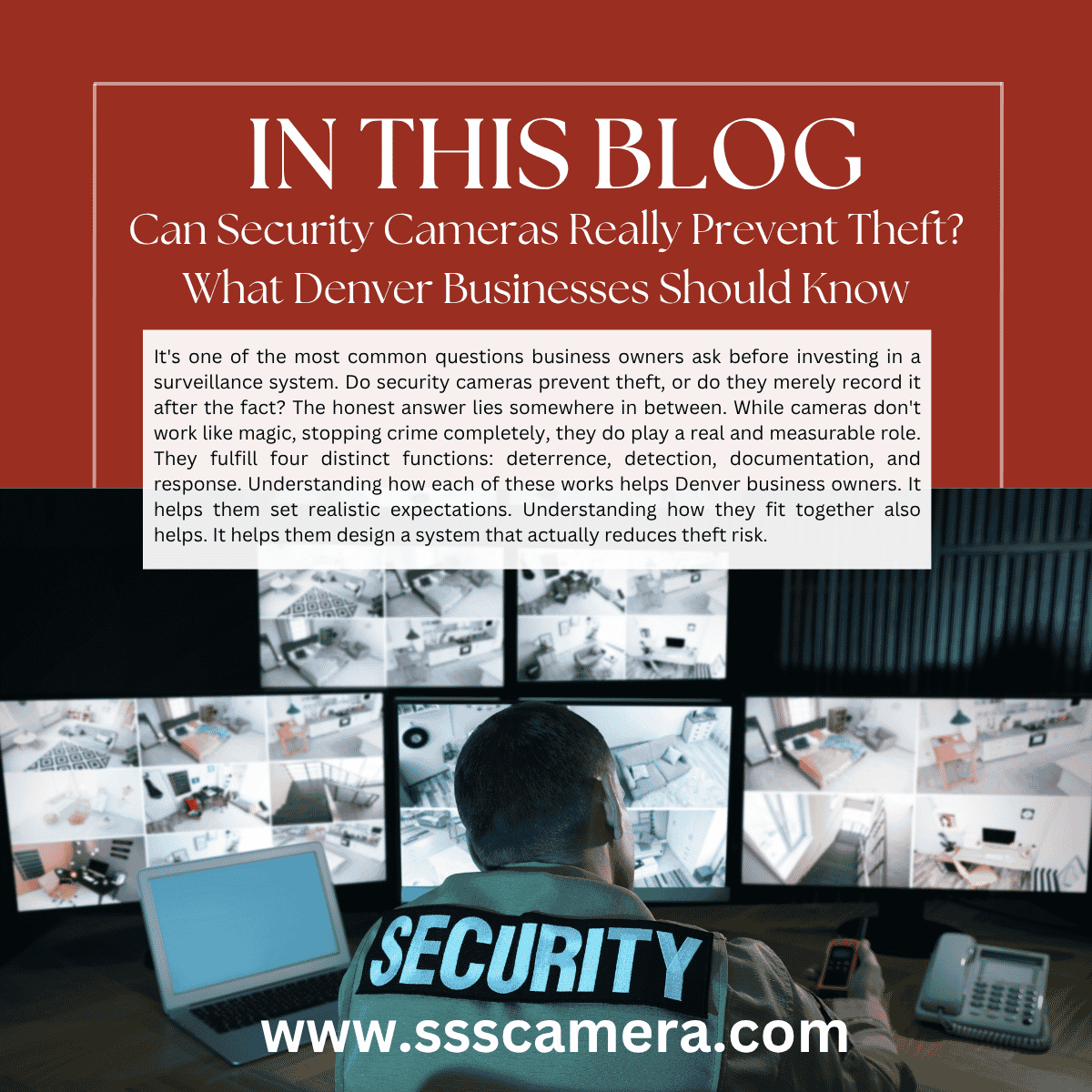
The building obtains a multi-layered security architecture when access control and intercom systems are integrated with a professional security surveillance system. Camera recording at that entry point may be automatically triggered by a door unlock event. Instant alerts may be generated by unsuccessful access attempts. Real-time flagging of suspicious activities is possible.
Surveillance, intercom, and access control function as a single ecosystem rather than as distinct technologies.
Emergency Response Capabilities
Rapid action is made possible by integrated systems in emergency situations. Lockdown procedures can be immediately started by administrators, limiting access to several doors at once. Direct communication with residents is made possible by intercom systems, and first responders can obtain precise entry data from centralized dashboards.
To satisfy safety regulations and compliance needs, educational institutions, medical facilities, and business establishments depend more and more on this feature.
Cloud Management and Scalability
With cloud-based access control systems, businesses may grow without having to replace their infrastructure. Centralized software allows for the addition of new entrances, buildings, or tenants. Businesses with several locations can use a single dashboard to handle security policies for all of their locations.
Long-term adaptability is ensured by this scalability.
Real-World Applications
- Integrated solutions allow secure visitor control in office settings while limiting floor-level access.
- Intercom systems govern loading dock communication in warehouses, while access control restricts access to inventory zones.
- In order to manage visitor check-in and carry out emergency lockdowns, educational institutions employ integrated systems.
- Healthcare institutions depend on monitoring documentation and safe access to pharmaceuticals.
- Centralized administration and mobile-based visitor approval are advantageous for multi-family residential complexes.
Brand Experience and Technology Partnerships
At Security Surveillance System, integration projects frequently combine enterprise-grade platforms such as Hikvision for superior video surveillance, Dahua Technology for intelligent monitoring solutions, and Ubiquiti for dependable network infrastructure. In commercial and enterprise settings, Honeywell and Paxton Access technologies are frequently used for access control integration.
Professional-grade IP and video intercom solutions from Aiphone and 2N are frequently included in larger security ecosystems when intercom systems are installed. These technologies facilitate biometric compatibility, mobile credentials, encrypted communication, and smooth API connection with access control dashboards.
Property owners gain scalable cloud access control capabilities, secure communications, and robust hardware by collaborating with reputable manufacturers and combining them into a single security surveillance system.
Operational Efficiency and Long-Term Value
Integrated systems reduce administrative workload by eliminating the need for security administrators to switch between distinct platforms. Door schedules, incident investigations, visitor approvals, and credential changes all take place in the same setting. This lowers operating expenses and increases productivity over time.
The importance of integrated security infrastructure is becoming more widely acknowledged by insurance companies, who frequently see video documentation and centralized access control as ways to lower risk.
Frequently Asked Questions
Q1. What is the integration between access control and intercom?
It is the integration of door entry and communication systems into a single, centralized platform for unified monitoring and control.
Q2. Can small businesses use integrated systems?
Yes, IP intercom and cloud-based access control solutions are scalable for both small and large organizations.
Q3. Are passwords on mobile devices safe?
Compared to conventional keycards, encrypted mobile credentials are more secure and can be immediately revoked.
Q4. In what ways does integration enhance research?
Investigation time can be decreased by immediately connecting access records to video footage.
Q5. Is biometric access necessary?
Although biometrics are optional based on risk level, they are perfect for high-security areas.
Q6. Is it possible for older buildings to switch to integrated systems?
Yes, current access control and intercom systems may be retrofitted into old infrastructure by qualified technicians.
Q7. What is the recommended frequency of system maintenance?
Optimal performance is ensured by routine software upgrades and annual inspections.
Q8. Which sectors gain the most from integration?
There are major advantages for corporate offices, healthcare, education, industrial facilities, and multi-tenant residential complexes.
In conclusion
In combining communication, credential management, and surveillance monitoring into a single intelligent system, intercom and access control integration improves building security. It provides long-term scalability, better emergency response, lowers unlawful access, and improves accountability.
In today’s changing security surroundings, combining intercom systems with sophisticated access control via a professionally built Security Surveillance System offers a strategic edge to property owners looking for all-encompassing protection.