Do Denver Warehouses Need a Commercial Burglar Alarm? Security Guide
If your warehouse is already equipped with cameras or access control systems, you should evaluate whether a dedicated burglar alarm is necessary. For most warehouses in Denver, the answer is yes. Warehouses have unique security challenges, including large spaces, multiple entry points, loading docks, valuable inventory, and periods when the facility is unoccupied. Unauthorized entry, theft, vandalism, and after-hours intrusions are significant risks in this environment.
Therefore, many Denver warehouses can benefit from installing a commercial burglar alarm. Alarm systems provide active intrusion detection and can work in conjunction with cameras and access control systems.
The most effective security strategy is often a layered one, utilizing an alarm system alongside video surveillance and access control rather than relying on a standalone solution.
Why Is Warehouse Security Different From Other Commercial Properties?
Warehouses require a distinct security strategy in comparison to standard office or retail environments, due to considerations such as:
- Large floor areas
- Multiple exterior doors
- Loading docks
- Employee entrances
- Shipping and receiving areas
- Valuable inventory and equipment
- Large parking and exterior areas
- After-hours security vulnerabilities
These characteristics create more potential entry points and more time windows when a facility may be vulnerable, which is why a one-size-fits-all security plan rarely works well for warehouses.
How Does a Commercial Burglar Alarm Protect a Warehouse?
Sensors Detect Unauthorized Activity
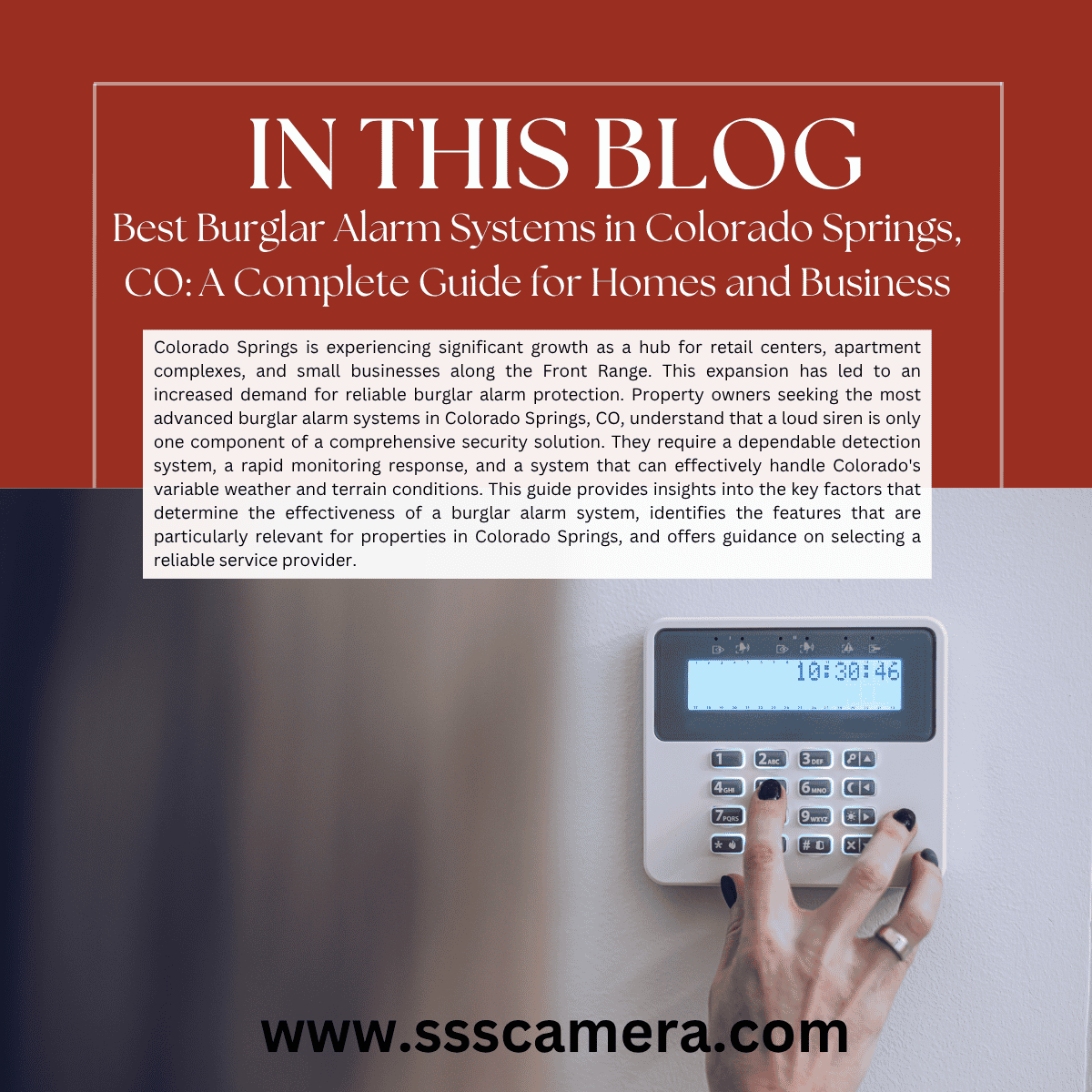
Alarm systems rely on a combination of devices to identify intrusion, including door and window contacts, motion detectors, perimeter protection, and other detection devices placed throughout the facility.
The Alarm System Processes the Event
Should a sensor be triggered, the control panel will receive the signal and determine the appropriate programmed response. When systems are configured properly, with schedules and zones that are aligned with actual warehouse operations, this can help to reduce unnecessary or false activations.
Alerts Are Sent to Authorized Personnel or a Monitoring Center
Alerts can be sent as mobile notifications, trigger local audible alarms, or be routed to a professional monitoring center. Monitoring provides an additional layer of protection during periods when no employees are on-site.
Where Should Burglar Alarm Sensors Be Installed in a Denver Warehouse?
Exterior Doors and Employee Entrances
These are the most frequently used access points and benefit from monitoring for unauthorized entry after business hours.
Loading Docks
Protecting loading docks represents one of the most crucial aspects of warehouse operations. Integrating intrusion detection systems with CCTV surveillance provides an additional layer of oversight.
Storage and Inventory Areas
High-value merchandise and sensitive inventory often require dedicated protection, with some warehouses implementing restricted zones that necessitate enhanced security measures.
Interior Warehouse Areas
Motion detection can assist in identifying movement after hours, with coverage tailored to the warehouse’s specific layout and operating procedures.
What Are the Biggest Benefits of a Warehouse Burglar Alarm?
Helps Deter Unauthorized Entry
Visible security measures have been found to increase the perceived risk of intrusion, especially when alarms are combined with cameras, lighting, and access control.
Provides After-Hours Protection
An alarm system assists with the monitoring of the facility once employees have left, a feature that is particularly beneficial for warehouses that operate outside standard business hours.
Protects Inventory and Equipment
Alarms play a vital role in detecting unauthorized access to valuable assets and contributing to a comprehensive theft-prevention strategy.
Supports Faster Awareness of Security Events
Alarm notifications ensure that any intrusion event is quickly addressed, with monitoring and response procedures that can be tailored to suit a business’s specific needs.
Is a Burglar Alarm Enough to Secure a Denver Warehouse?
A burglar alarm is an important layer, but it shouldn’t necessarily be the only security measure in place. A layered approach generally includes:
- Burglar alarms: Detect intrusion.
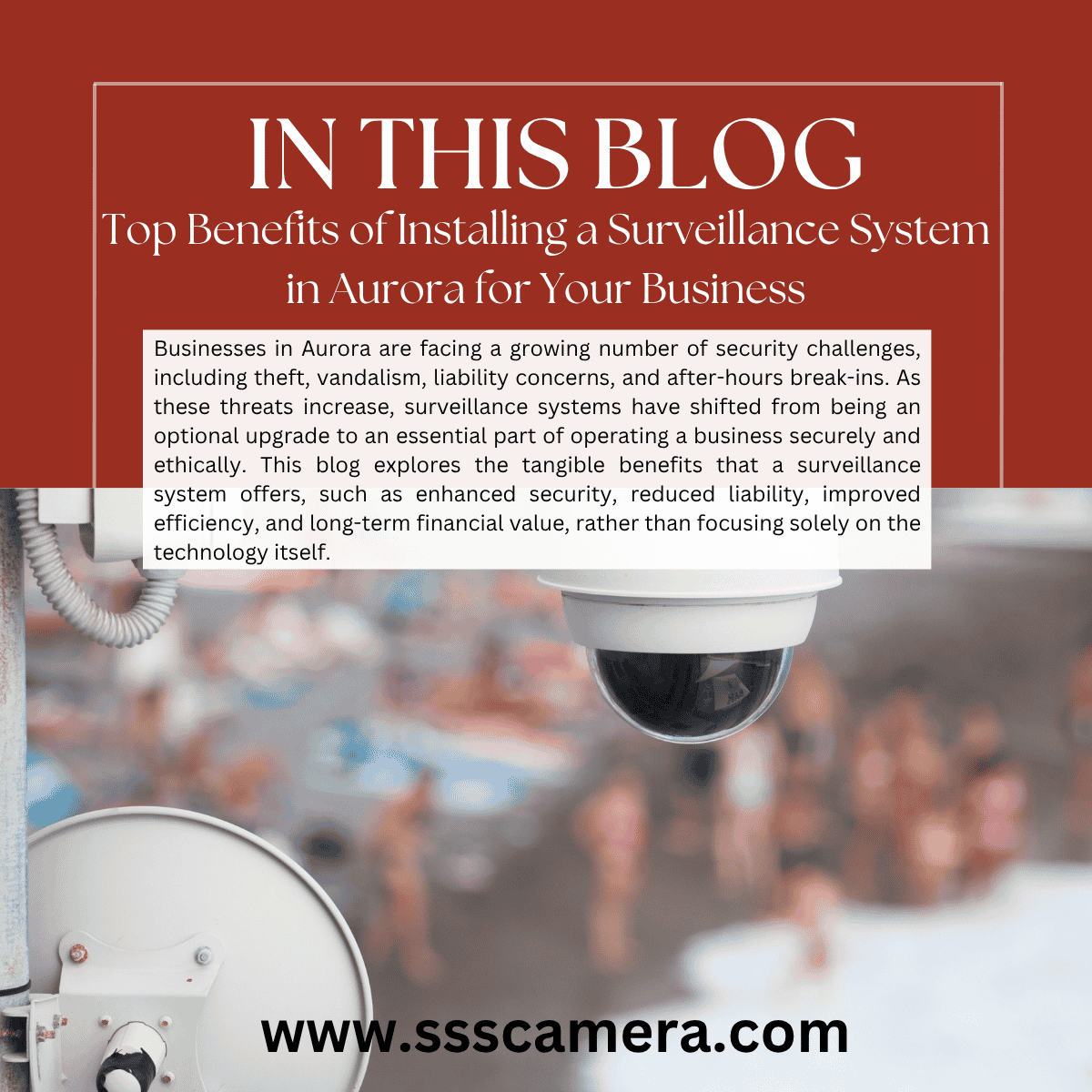
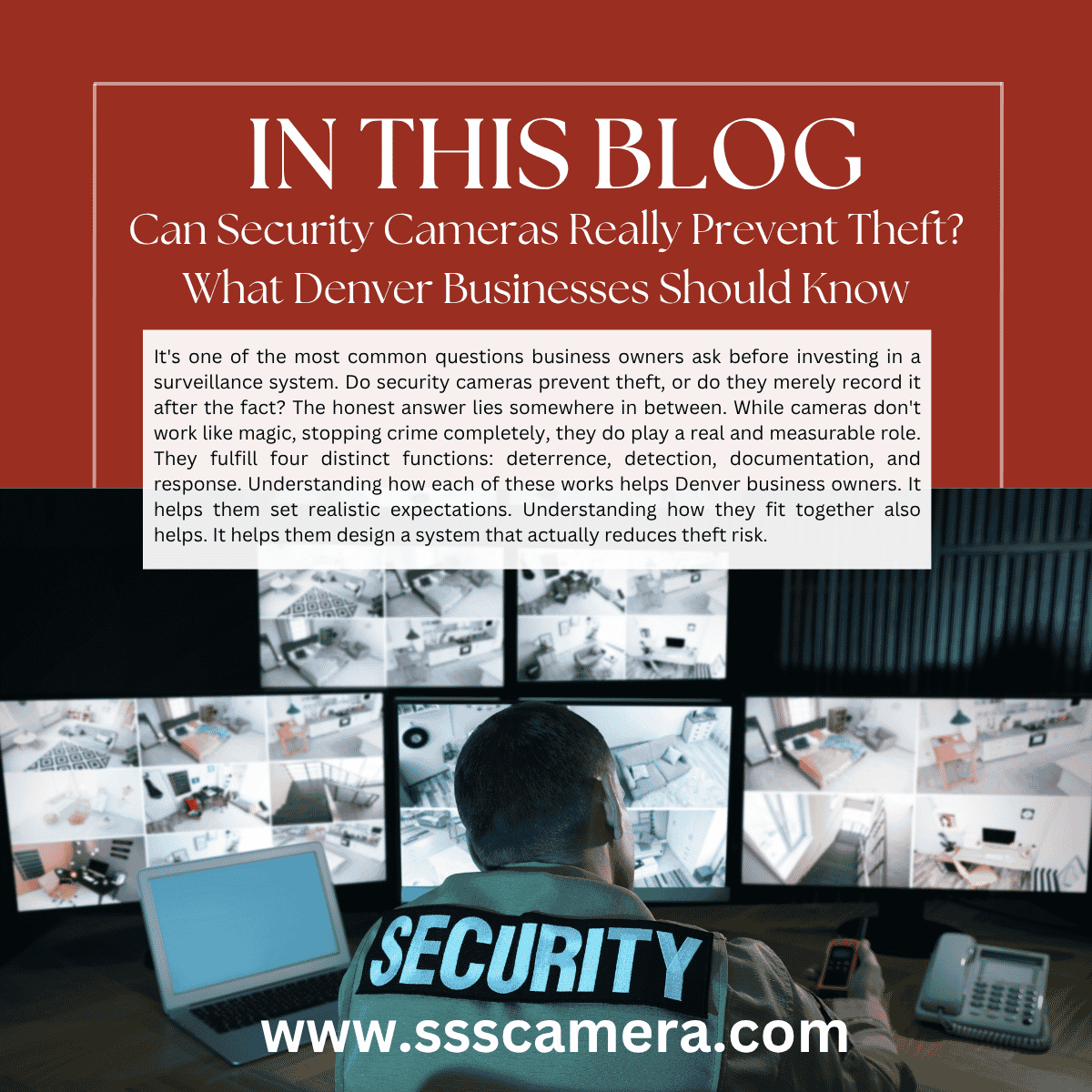
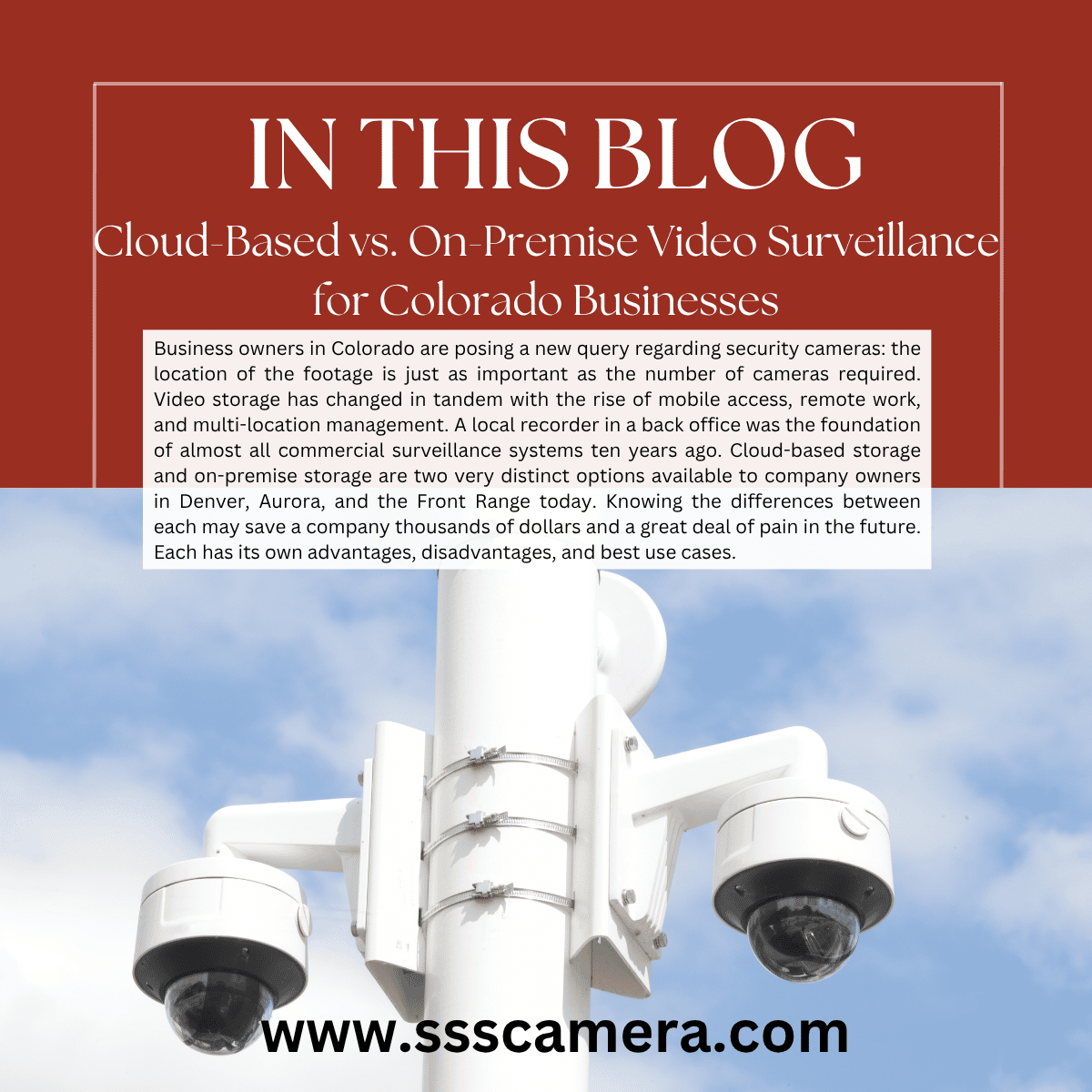
- Security cameras: Provide visual verification and recorded evidence.
- Access control: Restricts who can enter.
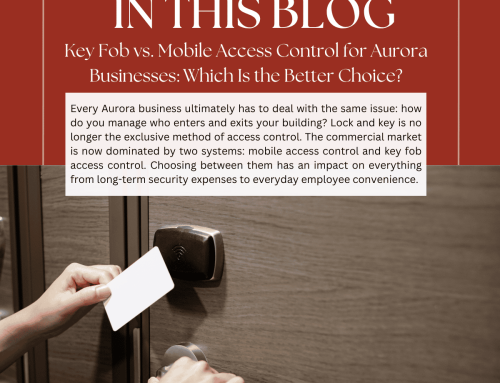
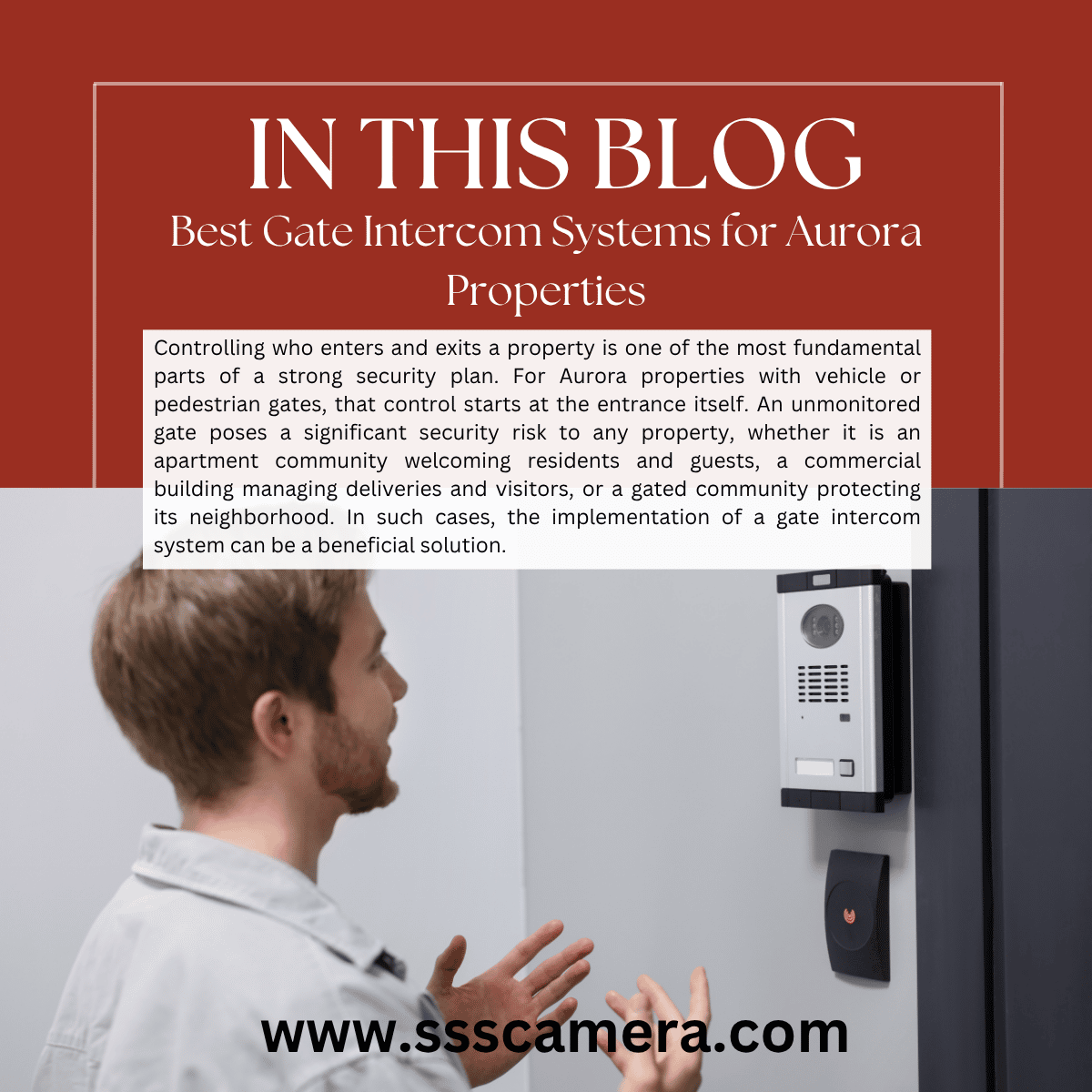
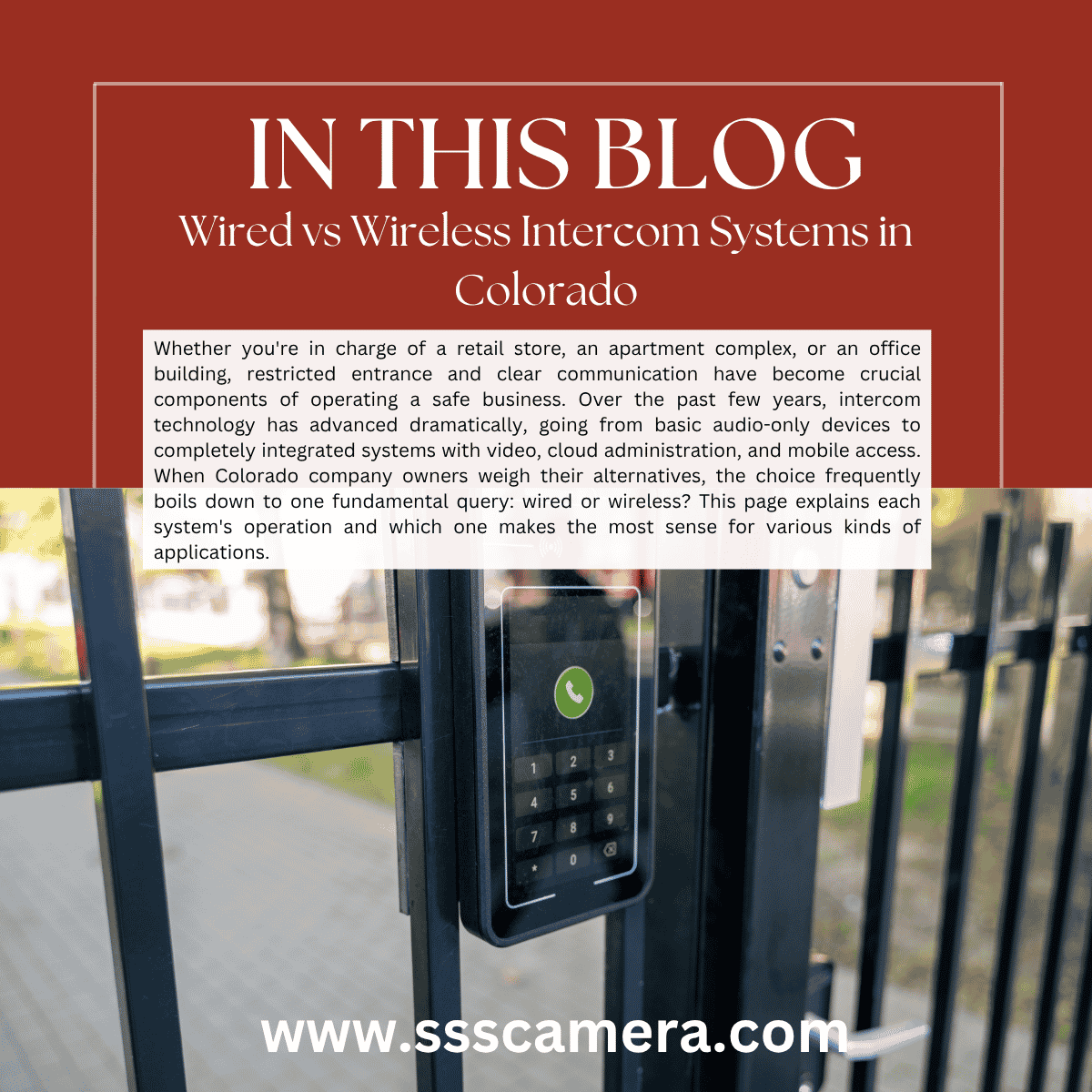
- Intercom systems: Help verify visitors and control entry.
- Security lighting: Improves visibility around vulnerable areas.
The combination of these technologies provides more comprehensive protection than relying on any single system. Denver commercial security providers commonly design integrated systems that bring intrusion detection, surveillance, and access control together.
Should Denver Warehouses Choose Monitored or Unmonitored Alarms?
Monitored Commercial Burglar Alarms
Professional monitoring provides 24/7 oversight, which is especially useful for facilities that are unattended overnight. Monitoring also supports alarm verification and established emergency response procedures.
Unmonitored Burglar Alarms
With unmonitored systems, alerts are sent directly to designated users, and the business manages its own response. Depending on the specific security requirements of the facility, this may be a suitable option for lower-risk facilities.
Which Option Is Better for a Warehouse?
The most appropriate choice depends on a number of factors, including the inventory value, the operating hours, whether the building is occupied overnight, and the response process the business wants in place.
How Can Security Cameras Improve Warehouse Alarm Protection?
Integrating video surveillance with intrusion detection systems offers several benefits:
- Alarm-triggered recording
- Video verification
- Remote viewing
- Investigation of suspicious activity
- Monitoring loading docks and exterior areas
- Reviewing activity before and after an alarm event
How Much Does a Commercial Burglar Alarm Cost for a Denver Warehouse?
Warehouse alarm pricing can’t be accurately determined from square footage alone. The costs will depend on several factors, including:
- Number of doors and access points
- Warehouse size and layout
- Number of sensors
- Motion detection requirements
- Protection for loading docks
- Monitoring services
- Existing security infrastructure
- Camera and access control integration
- Installation and wiring requirements
As these factors vary considerably between facilities, a site assessment is the most reliable method of obtaining an accurate estimate.
How Security Surveillance System Can Protect Denver Warehouses
Security Surveillance System has developed a unique approach to warehouse security. Our customized systems are designed to integrate commercial burglar alarm solutions, security camera systems, access control, and professional installation and ongoing maintenance. These systems are tailored to suit each client’s specific warehouse operational requirements.
Frequently Asked Questions Regarding Warehouse Burglar Alarms
Do warehouses really need commercial burglar alarm systems?
Warehouses with valuable inventory, multiple entrances, loading docks, or after-hours vacancies often benefit from dedicated intrusion detection that goes beyond cameras or access control alone.
Which type of burglar alarm is most suitable for a warehouse?
The viability of such a system is contingent on various factors, including the nature of the service (i.e., whether it is to be monitored or not), the types of sensors required, the dimensions of the warehouse, its operational hours, the value of the inventory, and the necessity for integration with other security systems.
Where should burglar alarm sensors be installed in a warehouse?
These locations include exterior doors, loading docks, and employee entrances, as well as storage areas.
Can a warehouse burglar alarm work with security cameras?
Yes, integration facilitates video verification and alarm-triggered recording, along with remote viewing that provides visual context around alarm events.
Should a warehouse use a monitored alarm system?
Professional monitoring is often recommended, especially for facilities that may be unattended during evenings, weekends, or holidays.
Can burglar alarms reduce warehouse theft?
Alarms form a vital part of a layered security strategy, but it’s important to understand that no single system can guarantee theft prevention.
What is the cost of a warehouse burglar alarm in Denver?
The costs are determined by a number of factors, including the equipment required, the complexity of installation, the monitoring services required, the integration with other systems, and the ongoing service requirements.
Can an existing warehouse security system be upgraded with a burglar alarm?
A professional security assessment can determine whether existing cameras, access control, wiring, or other infrastructure can be integrated with a new alarm system.
Conclusion
A commercial burglar alarm can be an essential component of a comprehensive security strategy for warehouse facilities in Denver. Warehouses present a number of specific vulnerabilities due to their size, the value of their inventory, their loading areas, the multiple entrances they possess, and their exposure after hours. In most cases, the most effective approach combines intrusion detection, video surveillance, access control, and other security measures tailored to how the facility actually operates.
Get a Professional Warehouse Security Assessment in Denver
Should you be the owner or manager of a warehouse in Denver, we invite you to contact Security Surveillance System for a professional assessment of your warehouse security measures. In order to receive a customised recommendation for a commercial burglar alarm and consultation on security systems, please share the following information about your facility: layout, access points, inventory risks and operating hours.