Hotel Intercom Solutions Offering Better Convenience for Guests
The hospitality industry has advanced well beyond simple security cameras and front desk services. Today’s visitors anticipate clear security measures that provide peace of mind without interfering with comfort, prompt service, and smooth communication. Hotel intercom systems that are integrated with security surveillance systems have become crucial instruments for providing convenience and protection as hotels update their infrastructure.
Simple audio door communication is no longer the only use for modern intercom systems. These days, it is essential to hotel operations, emergency response, access control, and client satisfaction. An intercom system becomes more than just a communication tool when it is correctly incorporated into a property’s larger security surveillance system.
This blog examines how hotel intercom systems improve security posture, boost operational effectiveness, increase visitor comfort, and correspond with emerging trends in hospitality technology.
The Changing Expectations of Hotel Guests
Whether they are international tourists, families, or business travelers, today’s passengers place a high value on responsiveness and safety. Guests regard “sense of security” and “staff responsiveness” as the top elements affecting positive evaluations and repeat business, according to industry research in hotel management.
Guests expect:
- Quick support when required
- Safe entry to regions that are restricted
- Open lines of contact
- Effective procedures for check-in and check-out
- Dependable emergency reaction mechanisms
These expectations are immediately addressed by intercom solutions, particularly when combined with access control and video surveillance systems. They establish a framework for organized communication that improves security management and service delivery.
What Is a Modern Hotel Intercom System?
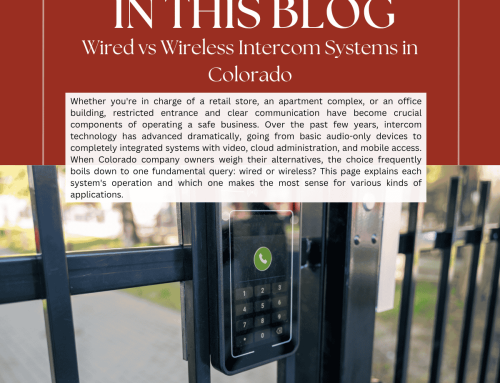
A hotel intercom system is a platform for real-time audio or video communication between visitors, employees, and security guards. However, compared to conventional analog intercoms, contemporary systems are significantly more sophisticated.
Nowadays, solutions usually consist of:
- IP-based video intercom units
- Networked communication panels
- Applications for mobile-enabled communication
- Access control system integration
- Centralized monitoring dashboards
- Recording and logging capabilities
Modern intercom systems function across secure networks, in contrast to earlier standalone devices. This enables centralized control and integration with alarm infrastructure, door access systems, and security surveillance cameras.
How Intercom Systems in Hotels Improve Visitor Convenience
Immediate Access To Communication
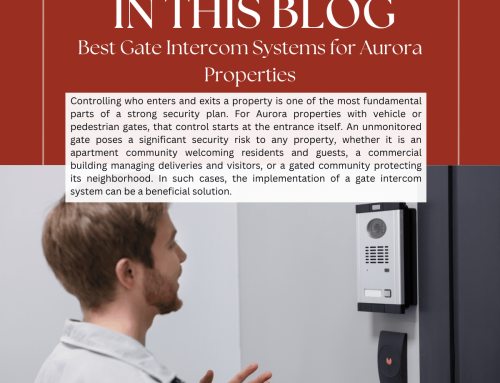
Without needless waits, visitors can speak with the front desk, concierge, or security staff directly. Intercom stations offer instant connectivity, whether they are in the parking structure, at a restricted elevator level, or at the lobby entrance after hours.
Particularly during late-night arrivals or emergencies, this rapid accessibility improves comfort and lessens frustration.
Secure Entry Management
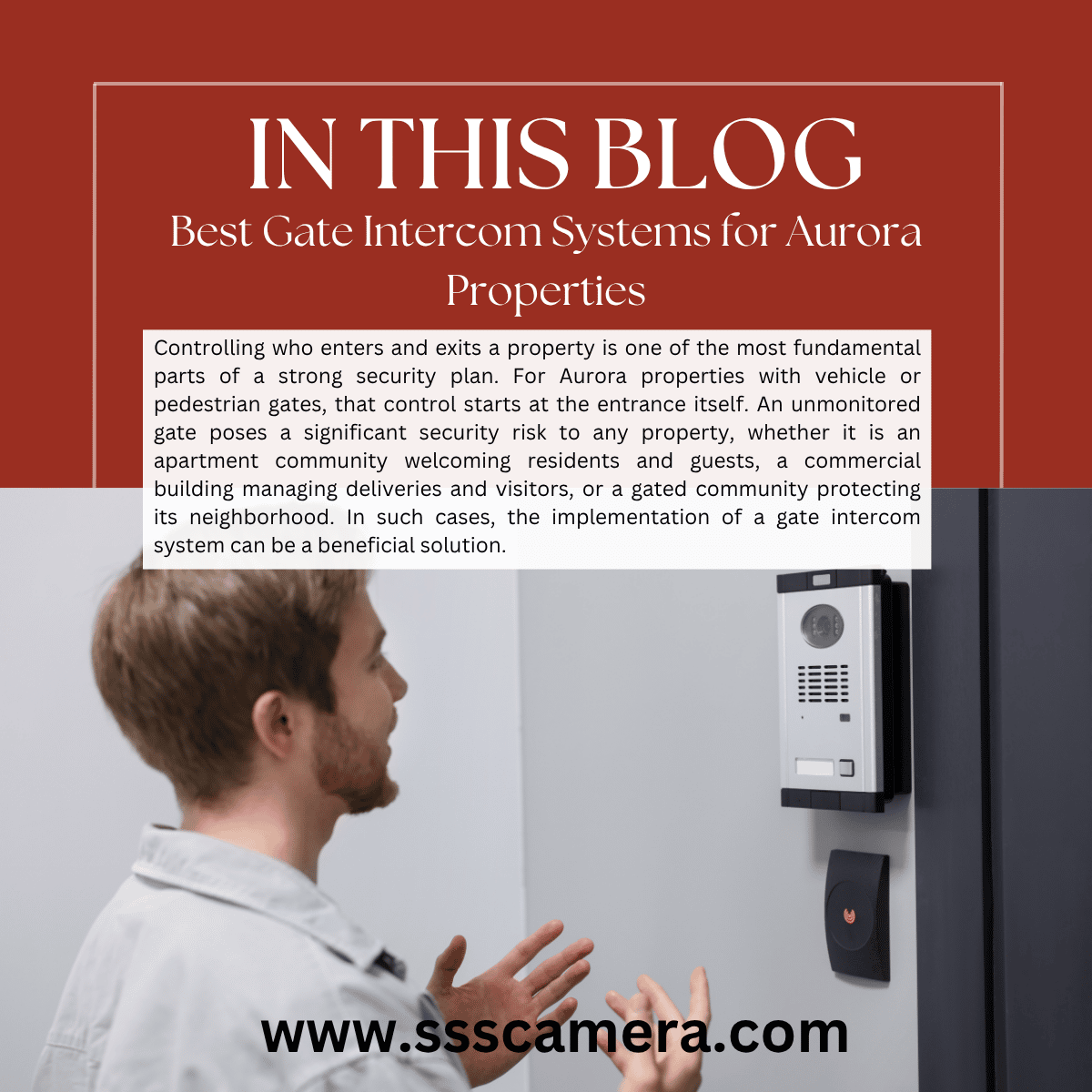
Before allowing admission, personnel can visually verify guests using video intercom systems. This is particularly beneficial for:
- Hotel properties with gates
- VIP floors
- Conference spaces
- Staff-only hallways
- Parking facilities
Hotels can remotely allow or reject admittance while keeping track of interactions by integrating video verification with access control.
Streamlined Internal Operations
Intercom systems are not just found in places where guests are present. Centralized communication solutions facilitate more effective internal communication between housekeeping, maintenance, kitchen workers, and management.
Through an integrated communication platform, employees may coordinate work in real time rather than depending just on mobile phones or manual dispatching.
Enhanced Accessibility Support
Accessibility features like visual displays, enhanced audio, and assistive technology integration can be supported by contemporary hotel intercom systems. This promotes inclusion while guaranteeing adherence to accessibility guidelines.
The Role of Intercom Systems in Hotel Security Surveillance
Intercom systems facilitate communication while security cameras record video. When combined, they form an entire security ecosystem.
Monitoring and Verification in Real Time
Surveillance cameras record the scene when someone approaches a restricted entrance point, and the intercom allows for two-way contact. Before acting, security staff can evaluate conduct both orally and visually.
Coordinated Response to Emergencies
Intercom systems enable focused communication during crises like fire alarms, medical situations, or security threats. Employees are able to safely direct visitors, interact with first responders, and give directions to designated areas.
Incident Documentation
Both audio and visual conversations can be recorded on many contemporary devices. This material becomes useful for insurance, liability protection, and investigations when it is combined with security surveillance systems.
The Deterrence Effect
The presence of cameras and visible intercom equipment makes it obvious that the property is being watched closely. This deterrent effect can reduce attempted unauthorized access or criminal activity.
Integration with Access Control Systems
Integrating a hotel intercom system with access control infrastructure greatly increases its power.
When properly integrated, employees can:
- Door unlocking from a distance
- Provide temporary credentials
- Restrict elevator access
- Regulate admission to parking gates
- Keep an eye on credential usage
This integrated strategy improves oversight while lowering operational friction. For instance, a delivery vendor who arrives after hours does not need to be physically present at the entrance point in order to talk via a video intercom, be visually authenticated, and be granted temporary access.
Hotel Intercom System Technology Trends
Smart technology solutions are still being adopted by the hospitality industry. Among the current trends are
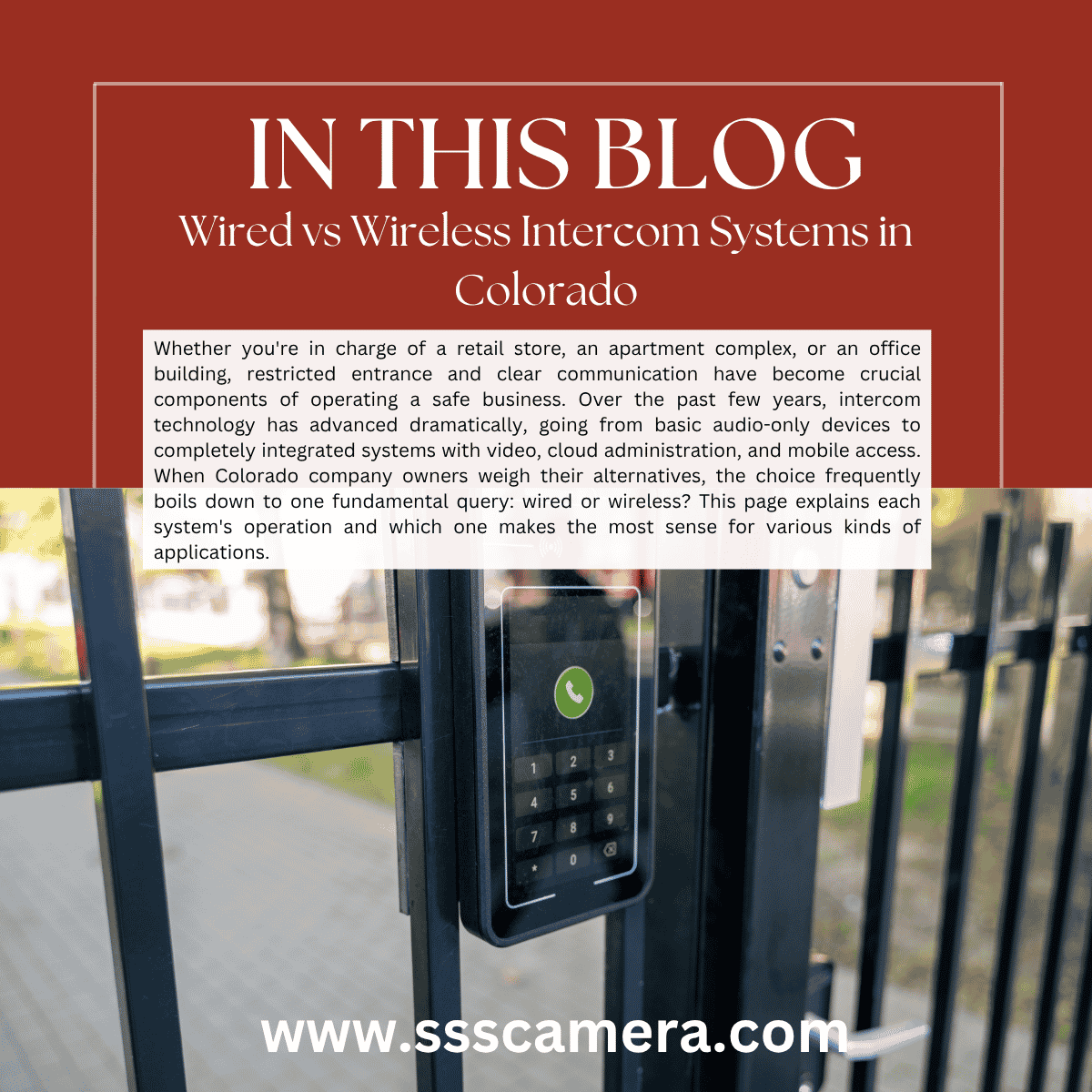
IP-Based Systems: Centralized control and remote access are made possible by Internet Protocol intercom systems. They work with contemporary surveillance networks and are scalable and adaptable.
Cloud-Based Administration: Scalable storage choices, automatic upgrades, and offshore monitoring are all made possible by cloud integration. This increases accessibility and lessens the need for on-premises gear.
Mobile Apps Connectivity: Through secure mobile applications, management teams and security staff may connect immediately and receive alerts, which speeds up response times.
Touchless Communication: Adoption of touchless access and communication technologies, such as mobile-enabled intercom answers and QR-based credentials, has risen due to a greater focus on hygiene.
Common Misconceptions About Intercom Systems
Misconceptions regarding intercom systems continue to exist in the hospitality sector despite advances in technology.
One widespread misconception is that intercom systems are antiquated and unnecessary in modern hotels. This impression frequently results from recollections of antiquated analog wall-mounted gadgets with constrained capabilities. In actuality, modern intercom systems offer high-definition video communication, run on complex IP networks, and easily interface with access control and surveillance systems. They share a digital ecology with contemporary security surveillance systems.
Another myth is that security cameras by themselves are sufficient. Although they are necessary for recording and monitoring, cameras are passive devices by nature. They do not participate, but they do record events. Conversely, intercom systems enable instantaneous verbal communication and reaction. The total efficiency of security is greatly increased when communication and observation are combined.
Some hotel managers believe that only large resorts or upscale establishments require intercom systems. But one of the characteristics that distinguishes modern systems is their scalability. Small lodges, mid-sized establishments, and boutique hotels can all use customized solutions that suit their needs.
Concerns regarding complexity and upkeep also exist. User-friendly interfaces, centralized administration, and simplified updates are features of contemporary intercom systems. These systems offer long-term dependability and need minimal maintenance with appropriate expert installation and continuous support.
Lastly, some decision-makers only see the installation of intercoms as a cost rather than an investment. The long-term return on investment is evident when liability reduction, operational effectiveness, increased guest pleasure, and improved safety outcomes are taken into consideration.
Implementation Considerations for Hotels
Strategic planning is necessary when installing a hotel intercom system.
Property Assessment: Examine all staff zones, guest engagement places, and entry points. Determine which high-traffic or high-risk locations may benefit from communication access.
System Compatibility: Make that the chosen intercom system works well with the current infrastructure for access control and security surveillance.
Network Security: Modern intercoms use digital networks; thus, cybersecurity precautions like secure firewalls, encrypted communication, and frequent firmware updates are crucial.
Professional Installation: Optimal camera angles, audio quality, and system setup are guaranteed by proper installation. Effectiveness may be limited by improper location or inadequate integration.
Staff Training: Educating employees on how to use the system guarantees quicker uptake and better emergency response.
Hotel Intercom Solutions’ Long-Term Benefits
Purchasing a contemporary hotel intercom system has quantifiable long-term advantages:
- Higher ratings for visitor satisfaction
- Quicker reaction to emergencies
- Fewer instances of illegal entry
- Improved internal correspondence
- Lower liability exposure
- A better reputation for the brand
Hotels that integrate cutting-edge security surveillance systems with intercom systems show a dedication to both service excellence and safety.
Frequently Asked Questions
Q1. What differentiates a security surveillance system from a hotel intercom system?
While a security surveillance system uses cameras to track and document activities, a hotel intercom system allows guests and staff to communicate in both directions. They combine to form an all-encompassing framework for communication and security.
Q2. Can access control be incorporated with hotel intercom systems?
Indeed, access control solutions can be integrated with contemporary IP-based intercom systems to enable controlled entry monitoring, credential management, and remote unlocking.
Q3. Do hotels need to have video intercom systems?
The visual verification that video intercom systems offer greatly improves security at parking lots, entrances, and restricted areas. They are strongly advised for sites where safety is a top priority.
Q4. In what ways do intercom systems enhance visitor convenience?
Guests may easily communicate with workers, ask for help, and acquire access when necessary thanks to intercom systems. The entire visitor experience is improved by this responsiveness.
Q5. Is installing an intercom system in a hotel costly?
The size of the property and the technology chosen affect the cost. However, hotels of all sizes can find scalable solutions, and the long-term advantages frequently exceed the initial costs.
Q6. Are intercom systems in hotels safe against online attacks?
Modern intercom systems provide robust cybersecurity protection when deployed with appropriate network security procedures and serviced on a regular basis.
In conclusion, these days, hotel intercom systems offer more than just a basic means of communication. They are essential parts of an all-encompassing security surveillance plan that improves visitor comfort and operational effectiveness.
Hotels must implement integrated systems that offer real-time communication, regulated access, and coordinated monitoring as guest expectations rise and security issues change. By making investments in cutting-edge surveillance and intercom systems, properties present themselves as safe, adaptable, and progressive businesses.
Working with seasoned suppliers guarantees dependable integration, optimal performance, and long-term support for hotels looking for properly designed and installed intercom and security surveillance systems.