IP vs Analog Intercom Systems and Their Key Differences
An intercom system is used by every company that manages entry to its building to control who can enter and when. However, not every intercom system is constructed in the same manner. Knowing the differences between IP and analog intercom systems, the two most popular technologies on the market today, is crucial to choosing the best option for your property.
Choosing between IP and analog intercoms is more than just a technical choice for building owners, business owners, and commercial property managers in Denver and Colorado. It is a calculated investment in your facility’s long-term security and operational effectiveness.
At Security Surveillance System, we have been guiding Colorado businesses through exactly this kind of decision since 2006. This blog helps you choose the best system for your needs by providing a thorough explanation of both technologies and comparing their actual performance.
Understanding Intercom Systems: Their Role and Significance
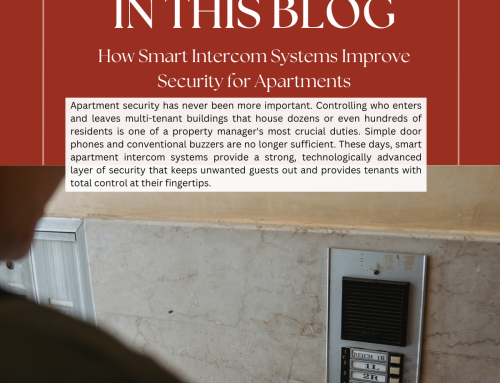
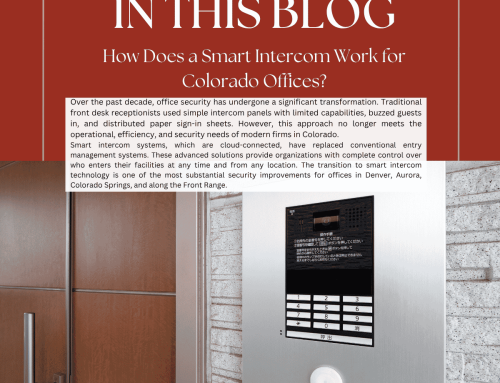
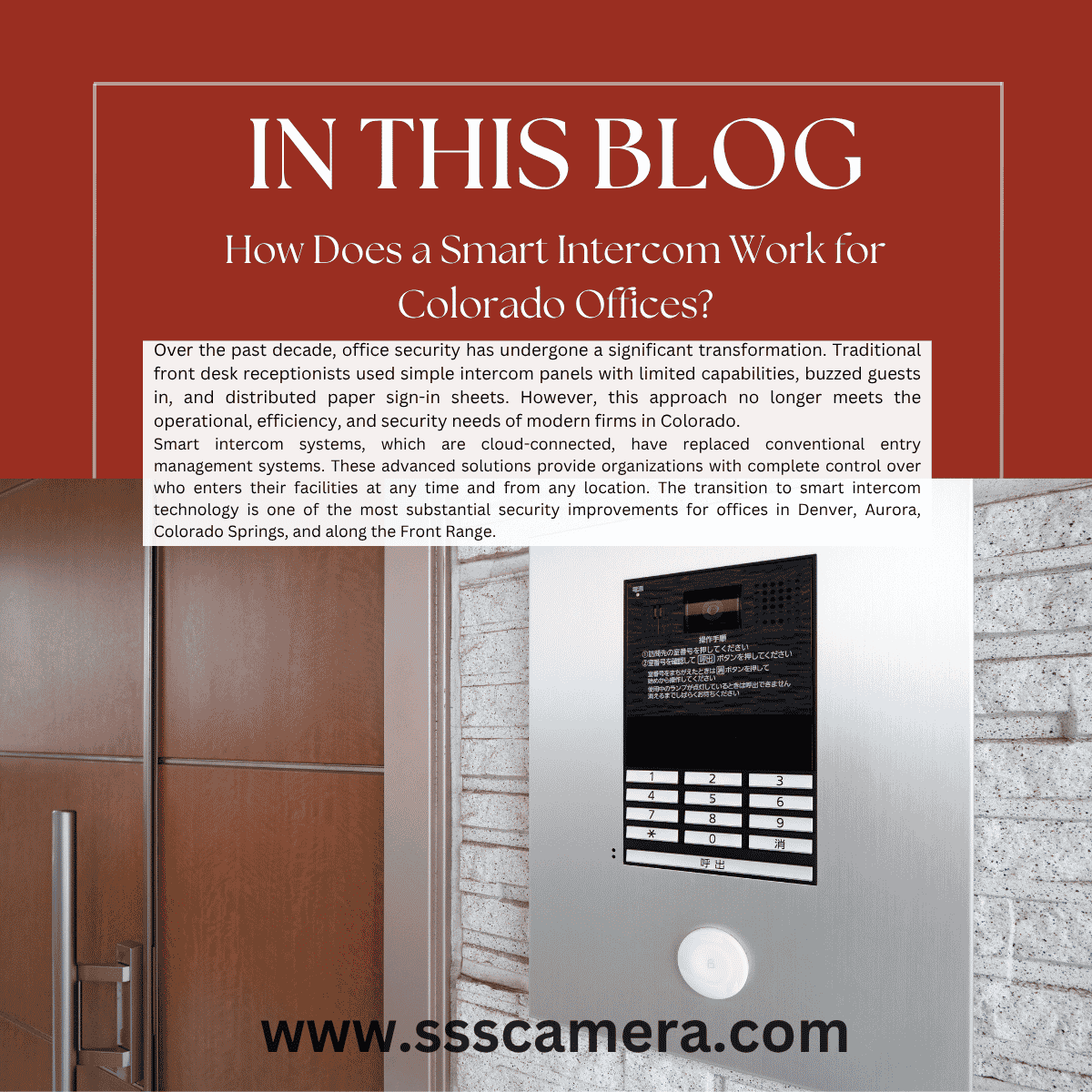
Any building entry point’s initial line of communication and access control is an intercom system. The technology connects a guest to an authorized occupant or security station inside when they arrive at the door and turn on the intercom panel. After verifying the visitor, the occupant can remotely unlock the door and decide whether to allow admission.
There is much more to modern intercom systems than just this fundamental purpose. They include mobile apps, video cameras, cloud connectivity, audit logging, and interfaces with larger access control systems. IP and analog systems differ mainly in how they connect to other devices, transfer data, and perform in each of those domains.
The Role of Intercom Systems in Commercial Security
The intercom system is a crucial component of a multi-layered security plan for companies operating in high-traffic areas, including apartment complexes, office buildings, warehouses, schools, and retail centers. It keeps track of who physically enters your building and controls who does so. The demands on intercom systems have increased in tandem with the development of commercial security technology.
What Is an Analog Intercom System?
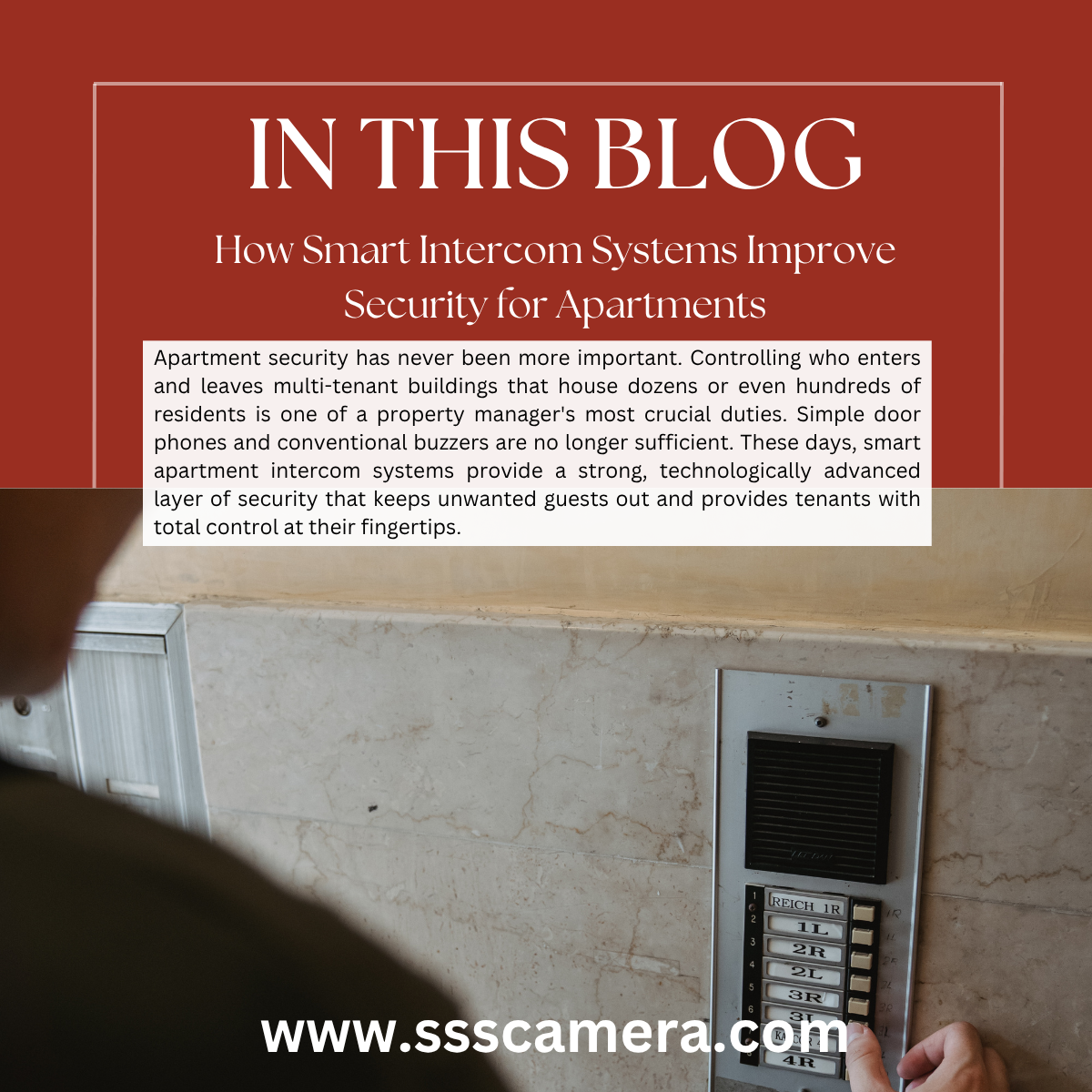
Between the entrance station and the inside units, an analog intercom system uses special copper cable to send audio and, occasionally, video signals. Every gadget needs a separate cable run to be physically connected. After decades of use, analog systems are still practical, simple installations in some settings.
How Analog Intercoms Work
The door station is immediately connected to one or more indoor monitors or phones in a conventional analog arrangement. When a guest presses the call button, a signal is sent to the indoor unit via wire so that the inhabitant can answer. In a similar manner, a hardwired link initiates door release.
This design’s simplicity is both its advantage and its drawback. Analog systems are dependable within the parameters of their design, but they have limited remote access capabilities, are hard to grow, and are difficult to combine with contemporary access control systems.
What Is an IP Intercom System?
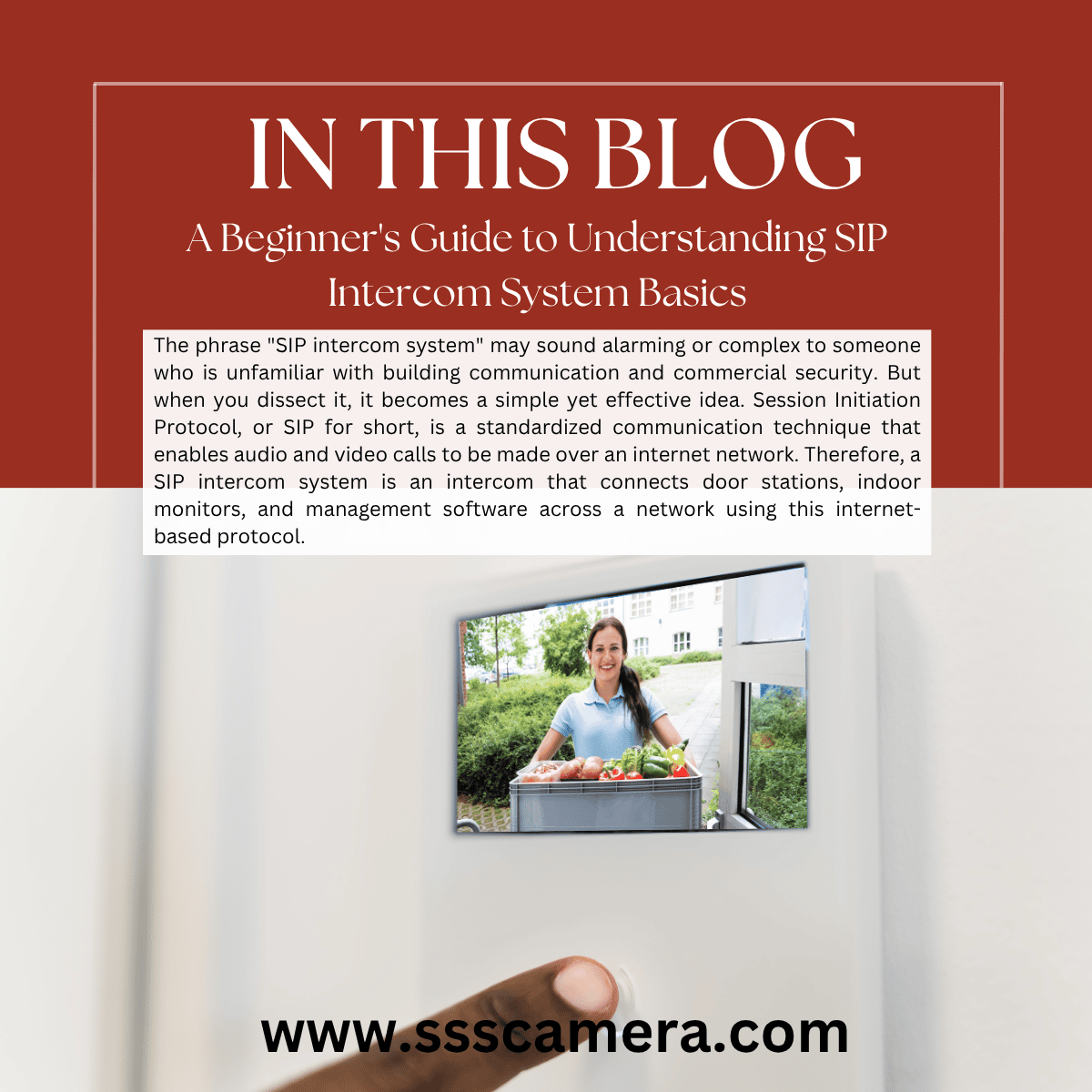
An IP intercom system uses the same infrastructure as computers, IP cameras, and VoIP phone systems to send audio and video data over an existing Internet Protocol network. IP intercoms link to any authorized endpoint on the network, such as cellphones and cloud-based management platforms, and communicate via Ethernet or Wi-Fi instead of requiring a separate copper cable between each device.
How Is Data Transmitted via IP Intercoms?
IP intercoms usually employ either proprietary cloud platforms for centralized management or the SIP protocol for direct device-to-device communication. When a visitor initiates a door call, the signal is packetized and sent over the network to any endpoint that has been registered to receive it, be it a mobile phone, desktop program, or indoor monitor.
Numerous additional features, remote access capabilities, and integration opportunities are made possible by this design, which also removes the need for analog systems’ one-to-one connection.
How Security Is Enhanced by Smart Intercom Systems
An entry communication tool can become an active security asset with the use of intelligent, IP-based intercom systems. There is a significant security functionality gap between IP intercoms and analog systems, and this gap is widening as IP technology develops.
Off-Site Management and Remote Access
Authorized users can give access and answer door calls using an IP intercom system from any location with an internet connection. This remote option is revolutionary for Denver companies that manage properties with distant management teams, weekend operations, or after-hours delivery. This feature is just not possible with analog intercoms without costly and complicated add-on hardware.
Every entry point offers high-definition video.
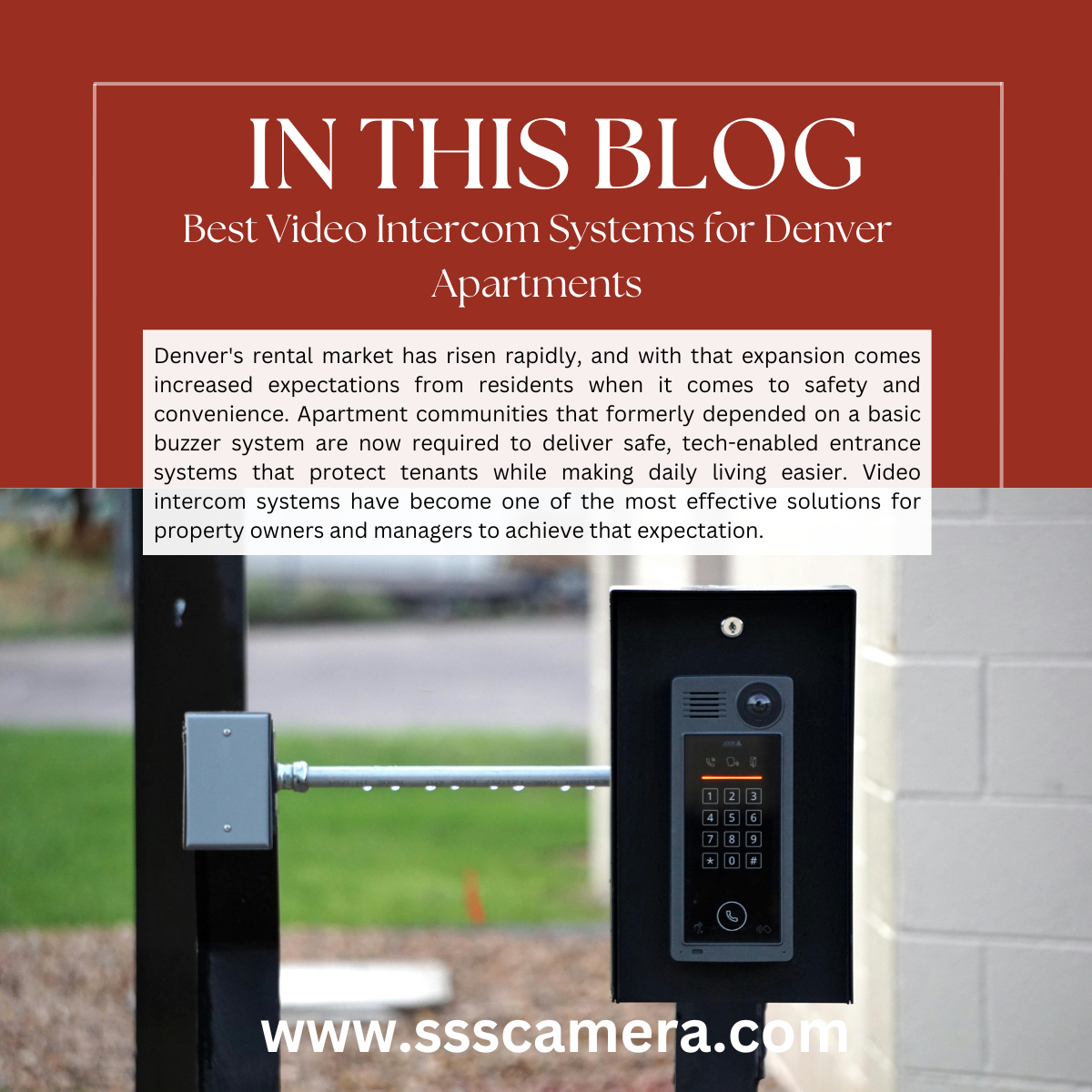
High-definition video is a regular feature of IP intercom systems, enabling security staff to easily recognize guests in any lighting. Wide-angle cameras, infrared night vision, and real-time video streaming to mobile devices and administration consoles are features of brands like 2N, Akuvox, and Hikvision, which Security Surveillance System installs throughout Colorado.
When available, analog video intercom systems have much poorer image quality and are unable to stream remotely without conversion technology, which is more expensive and complicated.
Integration with Security and Access Control Systems
The ability of IP intercom systems to interface with enterprise access control solutions is one of their biggest security benefits. Brands like 2N, Swiftlane, and ButterflyMX are made to function naturally in larger security ecosystems. Through this connectivity, visitor management, credential issuing, audit logging, and alarm triggers, all connected to the intercom events at your front door, can all be handled via a single administration interface.
Doorking and LiftMaster, which are also deployed by Security Surveillance System, provide gate and access intercom solutions that use IP connectivity for scalable, integrated deployments at commercial campuses, parking lots, and gated communities.
Without a substantial additional expenditure, analog systems function as stand-alone devices with limited communication capabilities with cloud platforms or access control software.
Key Differences Between IP and Analog Intercom Systems Side by Side
Wiring and Infrastructure Requirements
From the door station to each indoor unit, specific cabling is needed for analog intercoms. It is expensive and inconvenient to run new cables when adding a new station or monitor. IP intercoms make use of the network infrastructure already in place. Adding a device is as easy as setting it up in software and connecting it to the network.
Scalability for Growing Businesses
IP solutions are far more scalable for companies that intend to grow, whether by adding floors, locations, or entrance points. The original physical wiring arrangement of analog systems is unchangeable. IP systems expand along with your network. For Colorado companies operating in the growing Denver metro area, where commercial growth is still accelerating, this is an especially important factor.
Audio and Video Quality
Significantly better audio and video quality is provided by IP intercom systems. Modern IP door stations come equipped with noise-filtered audio and crystal-clear HD video. The intrinsic limitations of their transmission technology and the signal degradation that happens over lengthy cable runs are the main constraints on analog systems.
Remote Access Capability
Remote access through mobile apps, web browsers, and third-party platforms is natively supported by IP intercoms. Remote access is not supported by analog systems without substantial modification and additional gear.
System Cost and Investment Horizon
Although the initial equipment cost of analog systems is usually lower, their restricted scalability, lack of integration, and eventual replacement result in greater long-term expenditures. Through lower operating costs, increased capabilities, and a longer technology lifecycle, IP systems offer a much better return over time despite requiring a larger initial investment.
Which Intercom Brands Are Suggested by Security Surveillance Systems?
At Security Surveillance System, our staff installs and maintains a carefully picked range of intercom brands that have been selected for their dependability, performance, and suitability for professional security deployments.
We suggest and install 2N Intercom for IP and SIP-based systems because of its strong hardware and industry-leading SIP platform. Enterprise-grade IP intercom solutions with extensive administration software are provided by Akuvox. High-definition video intercoms at affordable prices are offered by Hikvision Intercom systems. For commercial properties and multi-tenant apartment buildings that require cloud-based management, ButterflyMX is the best option. For contemporary workplace settings, Swiftlane provides mobile-first IP intercom and access control integration. Aiphone offers reliable IP intercom systems that are frequently utilized in corporate, healthcare, and educational settings.
Doorking and LiftMaster provide dependable intercom systems with IP connectivity for vehicle and pedestrian entrance management in gate access and mixed-use areas.
Frequently Asked Questions About IP vs Analog Intercom Systems
What is the main difference between IP and analog intercom systems?
The way they transfer data is the main distinction. Analog intercoms send electrical impulses straight between devices using specialized copper cable. IP intercoms provide for far better scalability, cloud integration, and remote access by transmitting digital audio and video over an internet protocol network.
Is it possible to upgrade analog intercoms to IP systems?
Since door stations and indoor units use essentially separate communication protocols, moving from analog to IP typically necessitates replacing them. Reusing existing network cabling lowers the total cost of migration. Your existing infrastructure can be evaluated by a security surveillance system, which can then suggest the most economical upgrade route.
Are analog systems less secure than IP intercoms?
Yes, in the most significant ways. The security profile of any building is greatly enhanced by IP intercoms’ provision for encrypted communications, user authentication, audit recording, and integration with access control solutions. None of these qualities is natural to analog systems.
What is the average lifespan of IP intercom systems?
Commercial-grade IP intercom systems from companies like 2N, Akuvox, or Hikvision usually have a functioning lifespan of 10 or more years with appropriate installation and maintenance. Over time, regular firmware updates improve functionality and fix security flaws.
Does the Security Surveillance System support analog and IP intercom systems?
Indeed. Our experts are skilled in maintaining both IP and analog intercom systems throughout Denver and the Colorado region, but we generally advise IP-based systems for new installations because of their superior capacity and long-term value.
Conclusion: Select the Technology That Will Benefit You in the Long Run
The decision between IP and analog intercom systems depends on your company’s future goals, not just its current state. IP intercom systems are the obvious choice for any commercial property that values scalability, remote management, video clarity, and integration with a wider security infrastructure, while analog systems might satisfy basic requirements in specific applications.
Scurity Surveillance System has assisted hundreds of businesses in making the best intercom investment throughout Denver, Aurora, Lakewood, Boulder, Colorado Springs, and every region in between. Our qualified professionals assess your facilities, suggest appropriate brands and configurations, and take care of all installation and continuing support tasks.
For a free site survey and a no-obligation estimate, get in touch with Security Surveillance System right now. To begin, visit ssscamera.com or give (720) 535-5803 or (877) 711-2288 a call. Allow our staff to create an intercom system that will safeguard your property now and grow with your company over time.